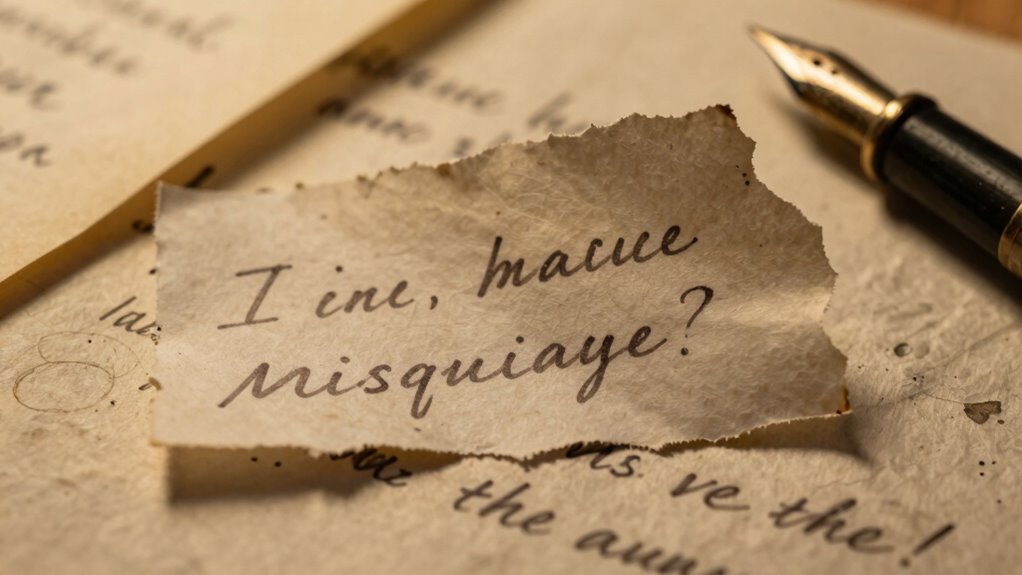
Misquoting can dramatically change what you’ve said by unintentionally distorting your message, leading to misunderstandings or misrepresentations. When you misquote, you risk twisting the original meaning, which can damage your credibility and cause others to draw false conclusions. Rushing or relying on secondhand sources often increases these errors. To preserve your message and reputation, it is crucial to verify sources and quote accurately. Keep going to discover how to protect your words and your integrity.

Get self-care and calm essentials delivered free — and shop member deals
- Fast, free delivery on millions of items
- Access to Prime Big Deal Days deals on October 6–7
- Prime Video, Amazon Music and more included
Key Takeaways
- Misquoting can distort the original message, leading to misunderstandings and misinterpretations of intent.
- Small errors in quoting can alter the tone, making statements seem more aggressive or passive.
- Changing words or context can completely reverse the original meaning or implications.
- Inaccurate citations undermine credibility and can mislead audiences about the true message.
- Misquoting erodes trust, causing others to question the reliability of both the speaker and the information.
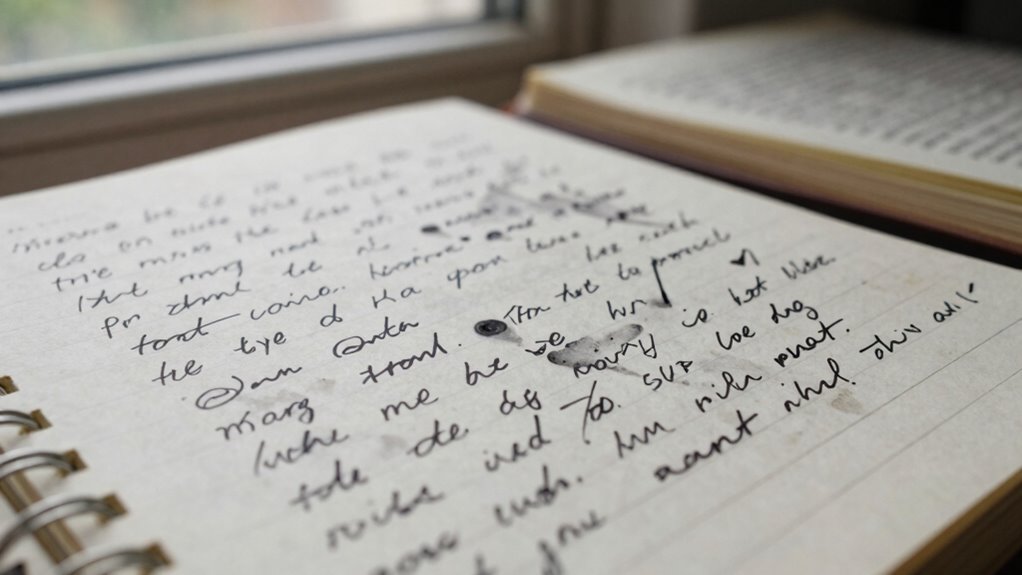
Have you ever repeated a quote only to realize it meant something entirely different? It’s a common experience, and it highlights how easily words can be misinterpreted or distorted when not handled carefully. When you rely on quotations, maintaining citation accuracy and preserving quotation integrity become vital. If you misquote someone or forget to verify the source, you risk twisting the original message into something unrecognizable. This isn’t just about getting the words right; it’s about respecting the truth behind them. When your goal is clarity and honesty, accuracy in citations isn’t optional—it’s essential. The slightest mistake can change the entire tone or meaning of what was originally said, leading others to draw false conclusions or misjudge someone’s intentions.
Misquoting can happen easily when you’re in a hurry or rely on secondhand sources. You might think you remember the phrase correctly, but a small error—missing a word or misremembering the context—can dramatically alter its impact. That’s why verifying quotations directly from original sources is crucial. It’s tempting to rely on summaries or paraphrased versions, but they often lose the nuance or the true intent of the speaker. When you fail to uphold quotation integrity, you risk spreading misinformation that can damage reputations or skew debates. Your credibility depends on your ability to present accurate, faithful representations of what was actually said. Proper attribution is fundamental to maintaining trust and ensuring the accuracy of the information shared. Additionally, understanding the importance of source verification can significantly reduce the risk of unintentional miscommunication. Recognizing the role of accurate citations is essential for preserving the integrity of both your message and the original context. Moreover, with the advent of digital tools, verification methods have become more accessible, making it easier to confirm source authenticity and prevent errors.
Furthermore, misquoting can have serious consequences beyond personal misunderstandings. In academic, legal, or professional settings, incorrect citations can undermine your work’s credibility and even lead to accusations of dishonesty. Proper citation accuracy demonstrates respect for the original speaker’s voice and ensures that you’re contributing to an honest exchange of ideas. It’s about more than avoiding errors; it’s about honoring the context and the meaning behind the words. When you prioritize correct citations and preserve quotation integrity, you help maintain the integrity of the conversation and prevent misinterpretation. As technology advances, the ease of access to sources makes verification tools more essential than ever for accurate quoting.
Ultimately, understanding how misquoting changes the meaning of everything you said underscores the importance of diligence. When you’re quoting someone, be precise. Check your sources, quote accurately, and respect the original context. These practices protect both your reputation and the integrity of your communication. Because words matter, and how you handle them can either clarify or distort the truth. The effort you put into citation accuracy isn’t just about correctness—it’s about ensuring your message remains true and impactful.
As an affiliate, we earn on qualifying purchases.
Frequently Asked Questions
How Can I Verify the Accuracy of a Quote?
To verify a quote’s accuracy, start by checking the original source, ensuring it’s credible and reliable. Look for the quote in reputable publications or official transcripts. Consider the historical context to see if the quote fits the era and situation. Cross-reference with multiple trustworthy sources to confirm consistency. By evaluating the source reliability and understanding the historical context, you can confidently determine if a quote is accurate.
What Are Common Causes of Misquoting?
Ever heard someone butcher a quote and blame it on “miscommunication”? That’s often caused by contextual misunderstandings or cultural differences. You might misquote because you didn’t grasp the full context, or cultural nuances got lost in translation. Sometimes, it’s just laziness or a rush to share. To avoid this, pay attention to context, ask clarifying questions, and respect cultural backgrounds—so your words stay true and don’t turn into comedic misadventures.
How Does Misquoting Affect Professional Credibility?
Misquoting impacts your professional credibility by exposing you to credibility risks and misquotation pitfalls. When you misquote, others may question your accuracy and trustworthiness, damaging your reputation. It can lead to misunderstandings and diminish your authority in your field. To avoid these pitfalls, double-check your sources and verify your quotes are accurate. Maintaining precision demonstrates professionalism and safeguards your credibility, ultimately strengthening your reputation.
Can Misquoting Be Unintentional or Deliberate?
A misquote is like a game of broken telephone. You can accidentally misattribute a quote or intentionally misquote to make a point seem stronger. Intentional misquotation involves deliberately twisting words, while accidental misattribution happens when you unknowingly cite the wrong source. Both impact credibility, but understanding the difference helps you stay honest. Always verify sources to avoid falling into the trap of misquoting, whether intentional or unintentional.
What Tools Help Detect Quote Inaccuracies?
You can detect quote inaccuracies using tools that focus on contextual analysis and source validation. For instance, fact-checking software and online databases help verify the authenticity of quotes by comparing them to the original sources. By examining the context in which a quote was made, you guarantee it’s accurate and not misleading. These tools help you maintain integrity and prevent misinterpretation, whether the misquote was accidental or deliberate.
As an affiliate, we earn on qualifying purchases.
Conclusion
Just like a game of telephone, misquoting twists your words, changing your story’s truth. Remember, every quote you speak is a thread in the fabric of your reputation—tug one wrong thread, and the pattern shifts. Stay mindful, stay accurate. As Shakespeare knew, “The devil can cite Scripture for his purpose,” but your words, misquoted or not, shape your world. Keep your voice clear, and your meaning true—lest history rewrite your story.
As an affiliate, we earn on qualifying purchases.
As an affiliate, we earn on qualifying purchases.
Fall Picks
fall essentials
As an affiliate, we earn on qualifying purchases.