

Fear appeals use threat framing to motivate behavior change by highlighting risks and consequences, but effectiveness depends on careful design. If the fear is too intense, it can cause anxiety or resistance; too mild, and it might have little impact. Ethical considerations matter to avoid causing undue distress or manipulation. To counteract fear appeals, strategies like providing clear solutions or reassurance help balance emotional impact. If you keep exploring, you’ll discover more about designing effective and ethical messages.
Key Takeaways
- Threat framing in fear appeals emphasizes risks to evoke emotional responses that motivate behavior change.
- Effective countermoves include providing clear, practical steps to reduce fear and empower audiences.
- Balancing threat severity with reassurance prevents overwhelming viewers and maintains message credibility.
- Ethical considerations involve avoiding excessive fear that causes distress or manipulation.
- Critical evaluation of fear appeals fosters responsible messaging that encourages constructive responses without harm.

Fear appeals are persuasive messages that aim to evoke fear to motivate behavior change. When you encounter these messages, they often tap into your emotions, creating a sense of urgency or danger that prompts you to act. However, it’s important to recognize that the psychological impact of fear appeals can be complex. While they can be effective in grabbing attention and encouraging immediate action, they might also cause anxiety, stress, or feelings of helplessness if not carefully designed. Excessive fear can overwhelm your coping mechanisms, leading to denial or avoidance rather than positive change. For instance, a campaign warning about the dangers of smoking might make you feel anxious about health risks but could also cause you to shut down or dismiss the message altogether if it feels too threatening. This underscores the importance of balancing fear with reassurance and practical steps to motivate constructive behavior.
Alongside their psychological impact, ethical considerations play a *vital* role when deploying fear appeals. It’s essential to ask whether using fear is morally justifiable, especially if it risks causing undue distress or exploiting vulnerabilities. Sometimes, fear-based messages can cross ethical boundaries, manipulating emotions to achieve short-term compliance without respecting individual autonomy. For example, exaggerated or graphic images used in health campaigns might scare people into action but can also traumatize or alienate the audience. Ethical messaging should aim to inform and motivate without causing harm or stigmatization. When you’re exposed to fear appeals, it’s worth reflecting on whether the message respects your dignity and provides clear, supportive guidance rather than just sensationalizing danger. Additionally, understanding the role of attention in creative practice can help you recognize how focus and environment influence the effectiveness of these messages.
Understanding the psychological impact and ethical considerations of fear appeals helps you critically evaluate these messages. Recognizing their potential to influence behavior can empower you to make more informed decisions about the information you absorb. It also encourages creators of such messages to be responsible, ensuring they do not manipulate fear for manipulation’s sake. Effective fear appeals strike a balance: they highlight real risks without overwhelming or exploiting their audience. When designed ethically, they can serve as powerful tools for positive change, motivating you to adopt healthier behaviors or safer habits without feeling manipulated or distressed. Ultimately, being aware of these factors helps you navigate persuasive messages more critically, making choices that are both informed and respectful of your emotional well-being and autonomy.
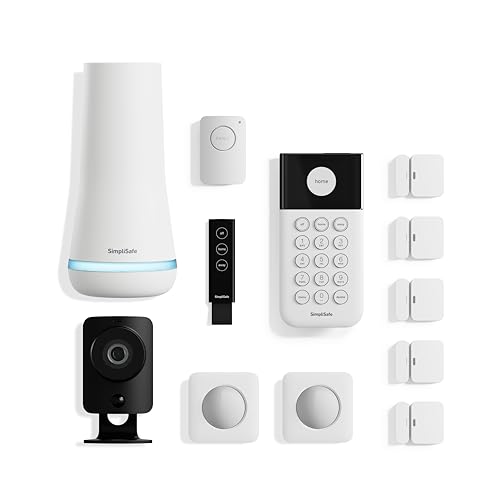
SimpliSafe 12 Piece Wireless Home Security System w/HD Camera - Optional 24/7 Professional Monitoring - No Contract - Compatible with Alexa and Google Assistant, White
- Easy Setup: Plug in and start protecting
- Free Monitoring Trial: One month of professional monitoring included
- Remote Control: Arm and disarm via app
As an affiliate, we earn on qualifying purchases.
Frequently Asked Questions
How Do Cultural Differences Influence Fear Appeal Effectiveness?
Cultural differences considerably influence how you respond to fear appeals because cross-cultural perceptions shape emotional expression and interpretation. In some cultures, you might view emotional displays as respectful, making fear appeals more effective, while others see them as intrusive, reducing impact. Understanding these nuances helps you craft messages that resonate, ensuring that fear appeals align with cultural values and emotional norms, ultimately increasing their persuasive power across diverse audiences.
Can Fear Appeals Backfire and Cause Resistance?
Imagine you’re in the 1920s, and fear appeals can backfire, causing resistance. You might trigger manipulation tactics that lead to psychological reactance, making people do the opposite of what you want. Instead of convincing them, your message could strengthen their defenses. So yes, fear appeals can backfire if you push too hard, prompting resistance rather than compliance. Use caution to avoid unintended consequences.
What Role Does Individual Personality Play in Response to Threats?
Your personality traits markedly influence how you perceive threats and respond to fear appeals. If you’re high in traits like neuroticism, you might perceive threats as more severe, leading to heightened anxiety or resistance. Conversely, if you’re more open or resilient, you may interpret threats as challenges rather than dangers. Your individual threat perception shapes whether you engage with or dismiss fear-based messages, affecting the effectiveness of such appeals.
Are There Ethical Concerns With Using Fear-Based Messaging?
Did you know that 70% of people find fear-based messages manipulative? Using fear appeals raises ethical concerns because it can compromise manipulation ethics and cause psychological impact. You might feel pressured or anxious, which questions whether such messaging respects individual autonomy. While it can motivate change, you should consider if it’s fair to exploit fears, or if more honest, supportive approaches better serve ethical standards and mental well-being.
How Can Fear Appeals Be Tailored for Different Age Groups?
You can tailor fear appeals for different age groups by using age-specific messaging that aligns with their developmental considerations. For children, focus on simple, clear visuals and positive reinforcement, while for teenagers, incorporate relatable scenarios and emphasize autonomy. For adults, highlight practical consequences and personal benefits. Adjust your tone and content to match their understanding and emotional maturity, ensuring your message resonates effectively without causing unnecessary distress.

Ring Alarm 8-Piece Kit (newest model), Home or business security system with optional 24/7 professional monitoring
- Ideal for small homes: Fits 1-2 bedroom homes
- Complete security kit: Includes base, keypad, sensors, motion detector, extender
- User-friendly keypad: Arms and disarms system easily
As an affiliate, we earn on qualifying purchases.
Conclusion
In the end, understanding fear appeals is like knowing the secret map to a haunted castle—you can either use the torch wisely or let the shadows overwhelm you. When you frame threats effectively, you guide others to action, much like a captain steering through a storm. Remember, whether you’re wielding a smartphone or a quill, your message can either inspire courage or deepen fear. Choose your words carefully, and always aim to light the way, not cast the darkness.

SimpliSafe 10 Piece Wireless Home Security System with Outdoor Camera- Optional 24/7 Professional Monitoring - No Contract - Compatible with Alexa and Google Assistant
- Easy Setup: Simple to install and secure out of the box
- Free Monitoring Trial: One month of professional monitoring included
- 24/7 Emergency Response: Optional monitoring for quick police alerts
As an affiliate, we earn on qualifying purchases.

15-Piece WiFi Home Security System, DIY Wireless Alarm Kit, No Subscription
- App Remote Control: Control system remotely via app
- DIY Installation: Easy setup without professional help
- 120dB Siren: Loud alarm deters intruders
As an affiliate, we earn on qualifying purchases.