
Sleep trackers for mental wellness can help you spot patterns between rest, recovery, and daily wellbeing, but they vary in how directly they support reflection. I’d choose the SOMNDEEP Contactless Smart Sleep Tracker as the best overall pick for sleep-focused tracking, while the SereniBrain EEG Neurofeedback Headband stands out for meditation and brainwave monitoring and WHOOP MG for recovery-oriented data. The main tradeoff is between focused sleep insight and broader health tracking: rings and wrist devices are easier to wear routinely, while a specialized headband or contactless tracker may better suit a particular practice or sleep setup. No tracker can diagnose or treat a mental health condition, and its measurements are best treated as prompts for reflection rather than clinical findings. Continue reading for the full breakdown and guidance on choosing a device that fits your habits.

Turn your wind-down time into listening time
- Thousands of audiobooks, podcasts and originals
- Listen on your phone, tablet or Echo — also offline
- Cancel anytime
Key Takeaways
- SOMNDEEP is the clearest sleep-first choice in this lineup because its contactless format puts sleep monitoring ahead of general activity tracking.
- SereniBrain serves a different purpose: its EEG and neurofeedback focus may appeal to meditation practitioners, but it is not interchangeable with an overnight sleep tracker.
- WHOOP MG prioritizes recovery context and ongoing activity data, making it a stronger match for people who want to connect sleep with training and daily strain than for buyers seeking a simple sleep-only device.
- Wearability shapes the routine: the KASVUC ring and wrist-worn bands or watches offer different overnight comfort and feature tradeoffs, so the least intrusive device may be the one a buyer can use consistently.
- Broad feature lists do not equal mental wellness support. Several wrist trackers add sports and general health monitoring, but buyers should prioritize understandable sleep trends and a low-stress app experience over the number of tracked metrics.
| SereniBrain EEG Neurofeedback Headband |  | Best for Active Mental Training | Sensor Type: EEG | Connectivity: Bluetooth | Compatibility: iOS 14+, Android 10+ | VIEW LATEST PRICE | See Our Full Breakdown |
| SOMNDEEP Contactless Smart Sleep Tracker |  | Best for Non-Wearable Comfort | Sensing Technology: 60 GHz millimeter-wave radar | Connectivity: 2.4 GHz Wi-Fi | Monitoring: Duration, movement, breathing, HR, stages | VIEW LATEST PRICE | See Our Full Breakdown |
| KASVUC Smart Ring Fitness and Health Tracker |  | Best Discreet Wearable | Health Tracking: HR, SpO₂, Sleep, Stress | Activity Tracking: Steps, Distance, Calories | Battery Life: 2–3 days | VIEW LATEST PRICE | See Our Full Breakdown |
| Speediance Strap Pro Screenless Fitness Tracker |  | Best for Deep Stress Insights | Weight: 21 g | Battery Life: Up to 14 days | Sensors: Pulse and EDA | VIEW LATEST PRICE | See Our Full Breakdown |
| Screenless Fitness Tracker Smart Band |  | Best Value for Long Battery Life | Display: Screenless | Battery Life: 20–30 days | Weight: 25g | VIEW LATEST PRICE | See Our Full Breakdown |
| Mindrose Smart Fitness Watch with Health Tracking and 115 Sports Modes | 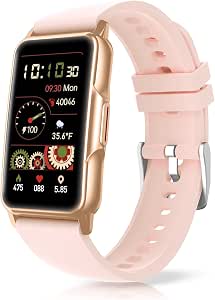 | Best for Beginners | Display: 1.47-inch HD color touchscreen | Health tracking: Heart rate, blood oxygen, blood pressure, and sleep | Sports modes: 115+ | VIEW LATEST PRICE | See Our Full Breakdown |
| WHOOP MG Activity Tracker with 12-Month Membership |  | Best for Recovery Coaching | Model: WHOOP MG, model 973-002-000 | Design: Screenless wearable | Tracking: Sleep, activity, heart rate, recovery, and strain | VIEW LATEST PRICE | See Our Full Breakdown |
| SOUYIE Smart Bracelet for Men and Women with 24/7 Health Tracking and 170+ Sports Modes | 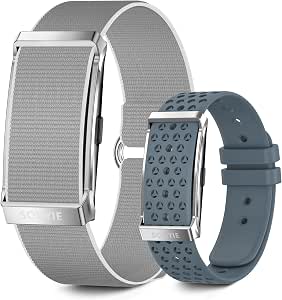 | Best for Low-Maintenance Wear | Weight: 18.4g | Battery life: 20–30 days | Water resistance: 1ATM | VIEW LATEST PRICE | See Our Full Breakdown |
| sleep trackers for mental wellness | Battery Life | Water Resistance | Warranty |
|---|---|---|---|
| SereniBrain EEG Neurofeedback | — | — | 1 Year |
| SOMNDEEP Contactless Smart Sle | — | — | 2 years |
| KASVUC Smart Ring Fitness and | 2–3 days | IP68 | — |
| Speediance Strap Pro Screenles | Up to 14 days | 5 ATM | — |
| Screenless Fitness Tracker Sma | 20–30 days | IP68 | — |
| Mindrose Smart Fitness Watch w | 6–7 days with heavy use; 10–12 days with daily use; up to 30 days standby | IP68 | — |
| WHOOP MG Activity Tracker with | Up to 14+ days | — | Lifetime warranty |
| SOUYIE Smart Bracelet for Men | 20–30 days | 1ATM | 1 year |
More Details on Our Top Picks
SereniBrain EEG Neurofeedback Headband
This headband stands apart from passive monitors like the SOMNDEEP Contactless Smart Sleep Tracker by offering active intervention. Instead of just recording sleep stages, it uses real-time EEG neurofeedback to help users train their brains for relaxation and focus before bed. The companion app guides meditation without subscription fees, making it a powerful tool for those who struggle to quiet their minds. However, this active approach requires effort and setup. Unlike wearable bands that work in the background, the SereniBrain demands attention during use, and the hydrogel pads need regular replacement to maintain signal quality. It is less about tracking what happened during sleep and more about improving how you enter it. If your mental wellness goal is learning to self-regulate anxiety or stress, this offers a depth of feedback that standard trackers cannot match.Pros:- Provides real-time brainwave feedback for active meditation training
- Companion app offers guided exercises without ongoing subscription costs
- Hydrogel sensors ensure stable signal transmission for accurate readings
- Portable design allows for mental training outside the bedroom
Cons:- Requires active user engagement rather than passive monitoring
- Hydrogel signal pads need regular replacement for optimal performance
Best for: Individuals who need active tools to manage pre-sleep anxiety and want to learn brainwave regulation techniques.
Not ideal for: Users seeking passive, set-and-forget sleep monitoring without needing to wear a device overnight.
- Sensor Type:EEG
- Connectivity:Bluetooth
- Compatibility:iOS 14+, Android 10+
- Battery Type:Lithium-Ion
- Warranty:1 Year
- Included Components:Headband, Case, Cable, Manual, Pads
Our verdict“Choose this if you want to actively train your brain for relaxation rather than just track your sleep.”
SOMNDEEP Contactless Smart Sleep Tracker
For those who find wearing a device to bed uncomfortable, the SOMNDEEP Contactless Smart Sleep Tracker offers a radical alternative. Using 60 GHz radar technology, it monitors breathing, heart rate, and movement from a distance without cameras or skin contact. This contrasts sharply with the KASVUC Smart Ring, which requires wearing hardware on your finger. The SOMNDEEP excels at providing long-term trend charts and family sharing, making it ideal for households. The major tradeoff is its dependency on a 2.4 GHz Wi-Fi network, which can be a hurdle in modern homes with mixed network bands. Additionally, it lacks blood oxygen monitoring, a feature present in many wearable competitors. It is best suited for users who prioritize zero-contact sleep hygiene over comprehensive biometric depth.Pros:- Monitors sleep without any physical contact or wearable device
- Includes built-in wind-down features like white noise and meditation
- Supports family sharing for household health trends
- No camera ensures privacy while monitoring sleep patterns
Cons:- Strictly requires a 2.4 GHz Wi-Fi network for data upload
- Does not support blood oxygen monitoring capabilities
Best for: People who dislike wearing jewelry or bands to bed and have reliable 2.4 GHz Wi-Fi coverage.
Not ideal for: Users who need blood oxygen tracking or live in areas with poor Wi-Fi stability.
- Sensing Technology:60 GHz millimeter-wave radar
- Connectivity:2.4 GHz Wi-Fi
- Monitoring:Duration, movement, breathing, HR, stages
- Blood Oxygen:Not supported
- Warranty:2 years
- Included Components:Monitor, cable, pads, plates
Our verdict“Ideal for those who want comprehensive sleep data without the discomfort of wearing a device.”
KASVUC Smart Ring Fitness and Health Tracker
The KASVUC Smart Ring appeals to users who want continuous health tracking without the bulk of a watch. It monitors sleep stages, SpO₂, and stress alongside activity metrics, all within a free app. Compared to the Speediance Strap Pro, the KASVUC is more discreet but lacks the specialized EDA sensor for deeper stress insights. Its IP68 waterproofing makes it suitable for swimming, a feature shared with many competitors, but the ring form factor eliminates the distraction of a screen. The primary drawback is sizing; rings come in whole sizes, requiring a sizing kit to ensure a perfect fit for accurate data. Battery life of 2–3 days is shorter than band-style trackers, necessitating more frequent charging. This is a strong choice for those who prioritize aesthetics and comfort over extended battery performance.Pros:- Discreet ring design tracks health without a visible screen
- IP68 waterproof rating supports swimming and showering
- Charging case provides up to eight additional recharges
- No subscription required for full app access
Cons:- Only available in whole sizes, requiring careful sizing
- Shorter battery life of 2–3 days compared to wristbands
Best for: Users who prefer jewelry-style wearables and want seamless integration into daily life without screen distractions.
Not ideal for: People who want multi-day battery life or precise half-size fits for their fingers.
- Health Tracking:HR, SpO₂, Sleep, Stress
- Activity Tracking:Steps, Distance, Calories
- Battery Life:2–3 days
- Charging Case:Up to 8 recharges
- Water Resistance:IP68
- Subscription:None
Our verdict“Perfect for those who want a subtle, screen-free health tracker that looks like jewelry.”
Speediance Strap Pro Screenless Fitness Tracker
This tracker distinguishes itself with an EDA sensor for electrodermal activity, providing nuanced stress and recovery data that the KASVUC Smart Ring cannot capture. The Speediance Strap Pro also tracks core temperature trends, adding another layer to mental wellness monitoring. With a titanium alloy bezel and 5 ATM water resistance, it is built to last. The 14-day battery life is impressive for a device with such rich sensing capabilities, though it drops to 11 days when EDA is active. It includes a year of Wellness Go membership, which adds value but may feel like a soft lock-in after the first year. Unlike the SereniBrain Headband, this is a passive tracker, but it offers more physiological depth than standard bands. It is best for data enthusiasts who want to correlate stress levels with sleep quality.Pros:- Includes EDA sensing for detailed stress and recovery insights
- Tracks core temperature trends for holistic health monitoring
- Lightweight 21g design with durable titanium alloy bezel
- Core tracking features do not require a subscription
Cons:- Battery life reduces to 11 days when EDA sensing is enabled
- Wellness Go membership is optional after the first included year
Best for: Data-driven users who want advanced stress and recovery metrics alongside sleep tracking.
Not ideal for: Users who are wary of optional memberships becoming necessary for advanced features later.
- Weight:21 g
- Battery Life:Up to 14 days
- Sensors:Pulse and EDA
- Water Resistance:5 ATM
- Materials:Nylon, titanium alloy
- Membership:12 months Wellness Go included
Our verdict“Select this if you want advanced physiological data like EDA and core temperature for mental wellness.”
Screenless Fitness Tracker Smart Band
This screenless band offers the longest battery life in the lineup, rated at 20–30 days, significantly outlasting the KASVUC Smart Ring. It covers essential mental wellness metrics like HRV, stress, and sleep without demanding attention from a display. The free QwatchPro app provides AI wellness insights, making it accessible for beginners. However, the lack of a screen means you cannot check your heart rate or step count without pulling out your phone, which can be inconvenient during workouts. While it offers over 170 sports modes, the GPS relies on your smartphone, similar to the Speediance Strap Pro. This device is best suited for users who want a low-maintenance, long-lasting tracker for basic sleep and stress monitoring without the premium price tag or complex sensor suites of higher-end models.Pros:- Extensive 20–30 day battery life reduces charging frequency
- Free QwatchPro app provides AI wellness insights
- Lightweight 25g design with IP68 water resistance
- No screen eliminates distractions for better sleep hygiene
Cons:- No on-device display requires phone use for instant data
- GPS mapping depends entirely on a connected smartphone
Best for: Budget-conscious buyers who prioritize extreme battery life and basic sleep/stress tracking.
Not ideal for: Users who want to view real-time metrics on the device itself without using a phone.
- Display:Screenless
- Battery Life:20–30 days
- Weight:25g
- Water Resistance:IP68
- Sports Modes:170+
- GPS:Via smartphone
Our verdict“A practical, long-lasting option for those who want simple sleep and stress tracking without a screen.”
Mindrose Smart Fitness Watch with Health Tracking and 115 Sports Modes
The Mindrose is a straightforward starting point for readers who want sleep tracking alongside everyday health and activity data. Its color touchscreen makes it easier to check information on the wrist than with the screenless WHOOP MG or SOUYIE bracelet, while heart rate, blood oxygen, blood pressure, and sleep tracking put several wellness signals in one place. That breadth can help users notice patterns alongside their routines, though the listed features do not establish clinical accuracy or provide mental-health treatment. The 10–12-day daily-use battery estimate also means less frequent charging than many daily-wear watches. The tradeoff is that route tracking needs a connected phone, and the display and notifications may feel less focused on sleep and recovery than the WHOOP MG’s coaching. I’d choose Mindrose for accessible, screen-based tracking, not specialist sleep insights.
Pros:- Tracks sleep alongside heart rate, blood oxygen, and blood pressure
- Color touchscreen provides at-a-glance access to data and notifications
- More than 115 sports modes cover a broad range of activities
- Rated for 10–12 days of daily use between charges
Cons:- GPS route tracking requires a connected phone
- The health metric list does not establish medical accuracy or provide specialized mental-wellness guidance
Best for: New wearable users who want sleep and basic wellness tracking on the wrist, plus activity modes and phone notifications.
Not ideal for: Buyers seeking detailed recovery coaching, independent GPS route tracking, or a device focused primarily on sleep and mental wellness.
- Display:1.47-inch HD color touchscreen
- Health tracking:Heart rate, blood oxygen, blood pressure, and sleep
- Sports modes:115+
- Battery life:6–7 days with heavy use; 10–12 days with daily use; up to 30 days standby
- Water resistance:IP68
- Compatibility:Android 4.4 or later; iOS 8.4 or later
- GPS:Phone-connected GPS
Our verdict“Choose Mindrose if you want an approachable watch that combines sleep tracking with visible health and activity data, and skip it if recovery coaching is your priority.”
WHOOP MG Activity Tracker with 12-Month Membership
WHOOP MG is the most recovery-oriented option in this group: it pairs sleep and activity tracking with strain and recovery measures, then delivers personalized coaching through its app. That makes it a better match than the Mindrose watch for someone who wants guidance around how sleep relates to training and daily exertion, rather than a display full of notifications. ECG readings and daily blood pressure insights add health features beyond the simpler tracking offered by the SOUYIE bracelet, but they should not be mistaken for a mental-health assessment or a substitute for medical advice. The screenless design keeps information off the wrist, which some users may find less distracting at bedtime; others will miss quick, on-device checks. The included 12-month membership and wireless PowerPack are part of the package, but the app-centered experience is a poor fit for anyone who wants a standalone watch.
Pros:- Combines sleep tracking with recovery, strain, and activity measures
- Personalized coaching helps connect tracked patterns with daily routines
- Includes ECG readings and daily blood pressure insights
- Package includes a 12-month membership and wireless PowerPack
Cons:- Screenless design means users must open the app to view data
- The coaching experience is app-centered, which may not suit buyers seeking a simple standalone tracker
Best for: People who want app-based coaching to connect sleep, recovery, strain, and activity, and are comfortable wearing a screenless tracker.
Not ideal for: Buyers who want a wrist display or notifications, or who prefer a sleep tracker that does not center its experience on app-based coaching and membership.
- Model:WHOOP MG, model 973-002-000
- Design:Screenless wearable
- Tracking:Sleep, activity, heart rate, recovery, and strain
- Health features:ECG readings, daily blood pressure insights, and irregular heart rhythm notifications
- Battery life:Up to 14+ days
- Included components:WHOOP MG tracker, 12-month WHOOP Life membership, SuperKnit Luxe band, and waterproof Wireless PowerPack
- Warranty:Lifetime warranty
Our verdict“Pick WHOOP MG if you want coaching that connects sleep with recovery and activity; choose Mindrose instead if you want a visible watch display.”
SOUYIE Smart Bracelet for Men and Women with 24/7 Health Tracking and 170+ Sports Modes
The SOUYIE bracelet is the low-maintenance choice for buyers who want continuous tracking without a watch screen or frequent charging. Its 20–30-day battery claim exceeds the stated daily-use range of the Mindrose watch and the WHOOP MG, making it easier to keep on through long stretches of day-and-night wear. The listing describes sleep analysis alongside heart rate, blood pressure, blood oxygen, and stress tracking, which gives wellness-minded users several signals to review in the companion app. Still, a feature list is not proof that those metrics diagnose stress or sleep problems, and the health readings are described as reference-only. Its screenless design may reduce wrist distractions but requires a phone to view results; unlike Mindrose, it also offers no on-device display. The 1ATM rating rules out swimming and hot baths, so this is best for everyday wear rather than water-heavy routines.
Pros:- Claimed 20–30-day battery life reduces charging interruptions
- Lightweight 18.4g design includes silicone and nylon straps
- Tracks sleep alongside heart rate, blood pressure, blood oxygen, and stress
- Companion app is described as free and ad-free
Cons:- Screenless design requires a smartphone app to view data
- 1ATM water resistance is unsuitable for swimming, diving, and hot baths
- Health metrics are for reference only and are not medically certified
Best for: People who want a lightweight, screenless sleep and wellness tracker with long battery life and no subscription fees.
Not ideal for: Swimmers, users who want to check sleep data on the wrist, or buyers who need medically certified health measurements.
- Weight:18.4g
- Battery life:20–30 days
- Water resistance:1ATM
- Sports modes:170+
- Compatibility:Android 5.0+; iOS 10.0+
- Connectivity:Bluetooth
- Straps included:Silicone and nylon
- Warranty:1 year
Our verdict“Choose SOUYIE for lightweight, low-charging sleep tracking if phone-based results and reference-only health metrics suit your needs.”

How We Picked
I ranked these eight products by how well their stated format and tracking focus align with mental-wellness-oriented sleep routines. The main criteria were relevance to sleep or relaxation, the practicality of wearing or placing the device overnight, the usefulness of its broader recovery or health context, and how easily a buyer could make a routine out of its data. I also weighed tradeoffs such as screen dependence, activity-first positioning, specialized use, and whether a tracker’s apparent breadth could distract from the sleep question a buyer wants answered.
SOMNDEEP ranks first because its contactless sleep-first design most directly matches the roundup’s purpose. SereniBrain earns a distinct place for meditation and EEG-focused interest, while WHOOP MG is a stronger fit for people who want sleep data alongside recovery and activity tracking. The rings, bands, and watches follow according to their practical fit and broader tracking role; devices centered on general fitness are not ranked as highly for mental wellness when sleep is only one part of a wider feature set. These are consumer wellness tools, not medical screening or treatment devices.
Factors to Consider When Choosing Sleep Trackers For Mental Wellness
Choosing a tracker for mental wellness means deciding what kind of feedback will support a calm, sustainable routine—not simply comparing metric counts. I’d start with the sleep question you want to explore, then weigh comfort, data presentation, and how much tracking feels helpful rather than stressful.
Choose the kind of insight you actually want
Sleep duration, overnight trends, recovery context, and meditation feedback answer different questions. A tracker designed around sleep may help you notice patterns in your rest, while a recovery-focused system connects sleep with activity and exertion. EEG-oriented tools such as a meditation headband have a different role again; they should not be assumed to measure a full night’s sleep just because they monitor brain activity. Before buying, write down one question you hope the device will help you reflect on. Avoid choosing by the longest feature list if most of those measurements will not change your routine.
Put overnight comfort ahead of extra metrics
A device can only build a useful pattern if you can tolerate wearing or using it consistently. Rings, watches, and bands sit on the body, while a contactless tracker may suit people who dislike sleeping with a wearable. Comfort can change with sleeping position, skin sensitivity, or a preference for keeping the bed free of electronics. Check how the device is worn or placed and whether its setup fits your room and bedtime habits. A feature-rich tracker that gets removed at night may be less useful than a simpler option you’ll keep in your routine.
Look for trends, not a perfect nightly score
Consumer trackers estimate sleep and related signals; their outputs are not a clinical account of what happened overnight. Night-to-night readings can shift, so a single score should not define how rested or well you feel. Favor an app that makes patterns understandable and lets you compare them with your own notes about routine, stress, or energy. If a device’s numbers make you feel pressured to achieve a perfect result, that response matters as much as the device’s feature set. Use tracking as a reflection aid, not a measure of personal success.
Match the app experience to your relationship with data
Some buyers welcome frequent prompts and detailed dashboards; others prefer a quick summary and little screen time. More information can help connect sleep with activity, but it can also encourage repeated checking or worry over small fluctuations. Think about whether you want a device to guide a daily routine, support meditation, or quietly record overnight patterns. Look for clear explanations of what the app displays and how often you’ll be asked to interact with it. The best fit is the one whose feedback feels supportive, not demanding.
Treat wellness tracking as a complement, not care
A sleep tracker cannot diagnose insomnia, anxiety, depression, or another health condition, and its readings should not replace professional advice. A device may help you organize observations to discuss with a clinician, but avoid changing treatment based only on its estimates. If tracking increases distress, disrupts sleep, or leads to compulsive checking, taking a break is a reasonable choice. Buyers should also consider whether the product’s wellness claims match its stated function; meditation feedback and overnight sleep monitoring are not the same kind of support. Choose the tool for information it can plausibly provide, not for a promise of better mental health.
Check the commitment behind the device
Before choosing, review what the product requires beyond wearing or placing it: regular charging, app access, account setup, or an ongoing membership may affect whether it suits your habits. A subscription-based experience can make sense if its recovery insights are central to your routine, but it may feel excessive if you want only basic sleep awareness. Simpler bands and watches may offer broader activity features, though their sleep guidance may be less specialized. Consider how much time you’re willing to spend maintaining the device and interpreting its data. A sustainable setup is more useful than a sophisticated one that becomes a chore.
Frequently Asked Questions
Can a sleep tracker tell me whether anxiety or stress is affecting my sleep?
A tracker may help you notice that sleep patterns change alongside your routine or perceived stress, but it cannot identify anxiety as the cause. Its measurements are estimates, and many influences—including illness, schedule changes, and environment—can affect a night’s data. Pairing a trend with brief notes about how you felt may give you more context than relying on a score alone. If sleep problems or anxiety persist, discuss them with a qualified health professional rather than treating the tracker as a diagnostic tool.
Should I choose a contactless tracker or a wearable if I dislike sleeping with a device?
A contactless model may be a better fit if wearing a ring or wrist device feels distracting, provided its placement and room setup work for your bed. A wearable can be more convenient for someone who also wants activity or recovery information during the day. Neither format is automatically more accurate for every person or situation, so comfort and consistent use matter. Check the required setup and whether the device remains useful for your intended routine before deciding.
Is an EEG meditation headband a substitute for an overnight sleep tracker?
No. An EEG meditation headband is aimed at brainwave monitoring or meditation feedback, while an overnight sleep tracker is meant to follow sleep-related patterns. The headband may suit someone who wants support during a meditation practice, but that use does not make it a full-night sleep monitor. If your main goal is understanding overnight rest, choose a product designed around sleep tracking. Buyers interested in both needs may want separate tools rather than expecting one device to serve both roles.
Do I need a membership or advanced recovery system to track sleep for wellbeing?
Not necessarily. A membership-based system may appeal if you want sleep interpreted alongside activity and recovery, but that added context can be more than a sleep-focused buyer needs. Decide whether you’ll use the broader guidance regularly and check what features depend on a continuing service before committing. If you mainly want to observe sleep habits, a simpler tracker may keep the routine easier. The useful choice is the one that gives you actionable context without adding unwanted cost or data demands.
What should I do if the tracker’s sleep score conflicts with how rested I feel?
Give your own experience weight; a device’s score is an estimate, not a definitive judgment of your rest. Look for patterns across several nights instead of reacting to one reading, and note relevant changes in schedule, stress, or environment. If the numbers repeatedly cause worry, consider reducing notifications or taking a tracking break. Persistent sleep concerns are better discussed with a clinician than resolved by chasing a device score.
Conclusion
For the best overall sleep-first fit, choose SOMNDEEP; it has the most direct focus for buyers who prefer contactless overnight tracking. For meditation-specific interest, choose SereniBrain, while recognizing that its EEG focus serves a different need from overnight monitoring. For a premium, recovery-oriented routine, WHOOP MG is the standout for buyers who want sleep connected with activity and recovery context. For beginners, start with the simplest wearable format you’ll comfortably keep in your routine, such as a ring or wrist tracker, rather than paying for extensive features you may not use. For specific needs, choose KASVUC if a ring format appeals, or a contactless option if wearing a device in bed is a deal-breaker; select the broader wrist devices when activity tracking matters alongside sleep. Whatever you pick, use its data as a gentle prompt for reflection, not a diagnosis or a measure of your mental health.