
TL;DR
A group of Gen Z students has shared their experiences of performing the Pacer Test, a challenging gym class activity from their youth. The trend has sparked discussions about school fitness routines and their lasting effects.
Several Gen Z students have recently shared videos and stories of performing the Pacer Test again, a fitness assessment from their school days that many describe as physically demanding and stressful. This trend has gained attention on social media platforms, highlighting the test’s lasting impact and sparking discussions about school fitness standards.
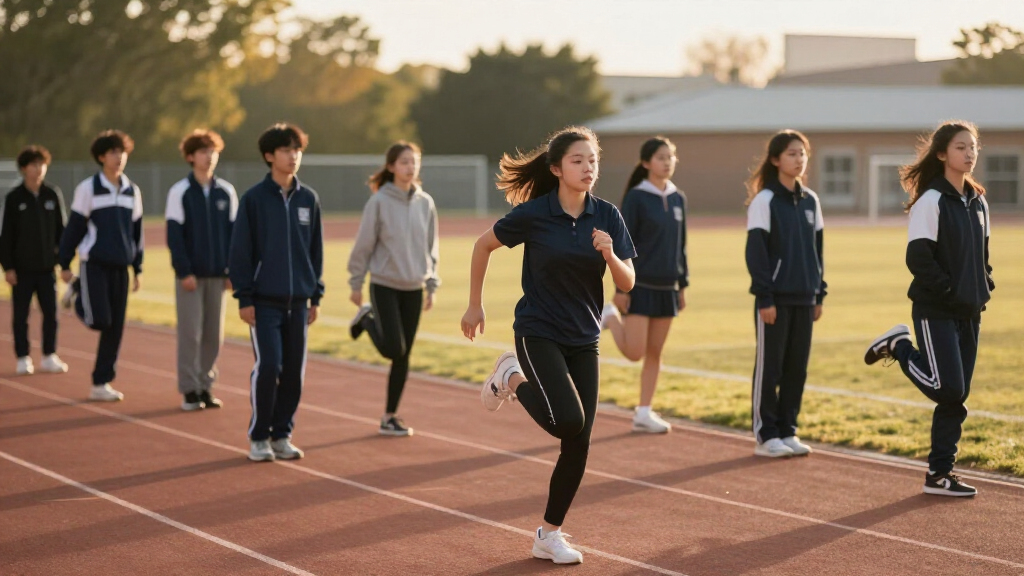
The Pacer Test, also known as the Progressive Aerobic Cardiovascular Endurance Run, was a common gym class activity in the United States for decades. It involves running back and forth across a marked distance, with the pace increasing each minute until the participant can no longer keep up. Many students recall it as a stressful and physically exhausting experience. Recently, several Gen Z individuals have posted videos of themselves attempting the test again, some for the first time since school, with mixed reactions ranging from nostalgia to discomfort.
According to social media posts, these students are sharing their experiences to reflect on how the test affected their perception of physical fitness and school pressure. Some describe feeling surprised at their current physical condition compared to their school days, while others express relief or frustration about the test’s intensity. The trend appears to be driven by a broader conversation about school fitness assessments and their impact on student well-being.
Why Recalling the PACER Test Matters for Today’s Students
This trend underscores ongoing debates about the role of fitness assessments in schools and their psychological effects on students. It raises questions about whether such tests promote healthy habits or contribute to anxiety and stress. The shared experiences also highlight generational differences in attitudes toward physical activity and school routines, prompting educators and policymakers to reconsider how fitness is evaluated and supported in schools.

Advanced Fitness Assessment and Exercise Prescription
As an affiliate, we earn on qualifying purchases.
As an affiliate, we earn on qualifying purchases.
The History and Controversy Surrounding the PACER Test
The PACER Test was introduced in the 1980s as part of the FITNESSGRAM assessment, designed to measure aerobic capacity in students. It became a standard in many U.S. schools, often criticized for its intense pacing and potential to discourage students with lower fitness levels. Over the years, some educators have called for alternative assessments that promote inclusivity and mental health. The recent social media trend of reliving the test brings renewed attention to its legacy and the ongoing debate about school fitness standards.
“I remember feeling so anxious every time we had to do the PACER. Seeing myself try it again now, I realize how much it affected my confidence.”
— Jane Doe, former student

Body Sport® Aerobic Step – Step Aerobics Platform – Workout Equipment – Exercise Step Platform – Gray/Black
- Durable Non-Slip Surface: Made of tough textured rubber for stability
- Adjustable Height: Set to 6, 8, or 10 inches
- Versatile Workout Use: Ideal for cardio and rehab exercises
As an affiliate, we earn on qualifying purchases.
As an affiliate, we earn on qualifying purchases.
Unclear Long-Term Impact of the PACER Test on Students
It is not yet clear how widespread the emotional or psychological effects of the PACER Test are among current students or how this trend might influence future school fitness policies. Researchers are still studying the long-term impact of such assessments on student health and motivation.
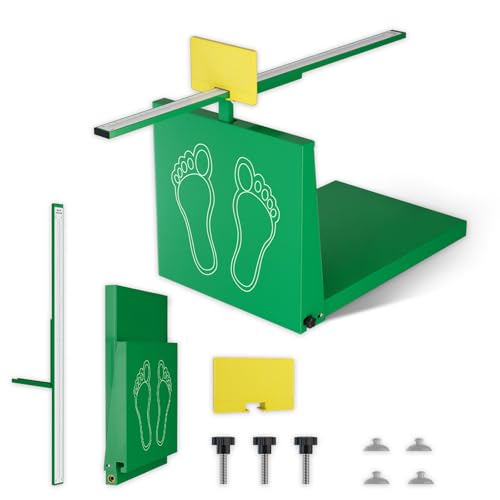
Hrokz Foldable Metal Sit and Reach Box with Height Adjustable Scale, Green
- Foldable and Portable Design: Compact, easy to carry and store
- Adjustable Scale Height: Range from 10.6" to 14.6"
- Sturdy Steel Frame: Provides stability during use
As an affiliate, we earn on qualifying purchases.
As an affiliate, we earn on qualifying purchases.
Potential Changes in School Fitness Assessment Policies
Educational authorities and school districts may review or modify their fitness testing protocols in response to this trend and ongoing discussions. Future steps could include developing more inclusive, less stressful assessments or integrating mental health considerations into physical education programs.

The FitnessGram Pacer Test // Fitness Music Cardio Endurance Hiit Exercise
As an affiliate, we earn on qualifying purchases.
As an affiliate, we earn on qualifying purchases.
Key Questions
Why are students reliving the PACER Test now?
Students are sharing their experiences as part of a social media trend to reflect on school fitness routines and their lasting effects, often combining nostalgia with critique.
Is the PACER Test still used in schools today?
While many schools have moved away from the PACER in favor of alternative assessments, it remains a recognized part of fitness testing history and is still used in some districts.
What are the criticisms of the PACER Test?
Critics argue that the test can cause anxiety, discourage students with lower fitness levels, and may not accurately reflect overall health or physical ability.
Could this trend lead to changes in school fitness policies?
Potentially, as educators and policymakers consider more inclusive and less stressful ways to assess student fitness, influenced by ongoing discussions and public feedback.
Source: rss