
The best mental health self-help books differ enormously in approach: some lean on clinical science, others on ancient philosophy, and a few are pure workbook-style exercises. After comparing 11 popular titles, Unfuck Your Brain stands out as the best overall pick for its direct tone, science-backed explanations, and immediate usability. The Body Keeps the Score is the strongest choice for trauma-specific depth, while Stop Overthinking offers the best value for readers who want a menu of quick, practical techniques. The main tradeoff in this category is depth versus accessibility — the most rigorous books demand more from the reader, while the breezier ones can feel repetitive. Read on for the full breakdown, including who each book is for and who should skip it.

Turn your wind-down time into listening time
- Thousands of audiobooks, podcasts and originals
- Listen on your phone, tablet or Echo — also offline
- Cancel anytime
Key Takeaways
- Books grounded in neuroscience or clinical research (Unfuck Your Brain, The Body Keeps the Score, Cleaning Up Your Mental Mess) consistently delivered more actionable credibility than philosophy-first titles.
- Overthinking-focused titles overlap heavily — The Art of Letting Go, Get Out of Your Head, Stop Overthinking, and Don’t Believe Everything You Think cover similar ground, so buying more than one rarely adds value.
- The 52-Week Mental Health Journal is the only interactive pick; it works best as a companion to a book rather than a standalone solution.
- Trauma-focused titles split sharply: The Body Keeps the Score offers deep clinical context, while It Didn’t Start with You focuses narrowly on inherited family patterns — choose based on which framing matches your situation.
- Shorter, punchier books (Unfuck Your Brain, Break the Anxiety Circle) get used more often; denser titles get abandoned halfway by readers in acute distress.
| Unfuck Your Brain: Getting Over Anxiety, Depression, Anger, Freak-Outs, and Triggers with Science |  | Best Overall Pick | Format: Paperback | Primary Focus: Anxiety, depression, anger, triggers | Approach: Science-based, cognitive techniques | VIEW LATEST PRICE | See Our Full Breakdown |
| The Art of Letting Go: Stop Overthinking, Stop Negative Spirals, and Find Emotional Freedom |  | Best for Overthinkers | Format: Paperback / eBook | Primary Focus: Overthinking, negative spirals, emotional release | Approach: Practical psychology techniques | VIEW LATEST PRICE | See Our Full Breakdown |
| Cleaning Up Your Mental Mess: 5 Simple, Scientifically Proven Steps to Reduce Anxiety, Stress, and Toxic Thinking |  | Best Structured Method | Format: Hardcover / Paperback / eBook / Audiobook | Primary Focus: Anxiety, stress, toxic thinking | Approach: 5-step neuroscience-based method | VIEW LATEST PRICE | See Our Full Breakdown |
| Get Out of Your Head: Stopping the Spiral of Toxic Thoughts |  | Best for Faith-Oriented Readers | Format: Hardcover / Paperback / eBook / Audiobook | Primary Focus: Toxic thought spirals, mental clarity | Approach: Faith-based cognitive strategies | VIEW LATEST PRICE | See Our Full Breakdown |
| The Mind Is Not You: Ancient Wisdom to See Through the Noise and Live More Freely | 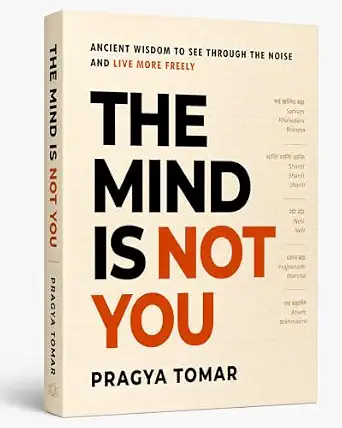 | Best Philosophical Approach | Format: Paperback / eBook | Primary Focus: Mental noise, identity, inner freedom | Approach: Ancient wisdom and contemplative philosophy | VIEW LATEST PRICE | See Our Full Breakdown |
| Stop Overthinking: 23 Techniques to Relieve Stress, Stop Negative Spirals, Declutter Your Mind, and Focus on the Present |  | Best Quick-Fix Toolkit | Format: Paperback / Kindle | Techniques covered: 23 | Focus areas: Stress relief, negative spirals, mental decluttering, present-moment focus | VIEW LATEST PRICE | See Our Full Breakdown |
| It Didn’t Start with You: How Inherited Family Trauma Shapes Who We Are and How to End the Cycle |  | Best for Intergenerational Healing | Format: Paperback / Hardcover / Audiobook | Focus areas: Intergenerational trauma, family patterns, cycle-breaking | Approach: Research-backed exploration with healing strategies | VIEW LATEST PRICE | See Our Full Breakdown |
| The Body Keeps the Score: Brain, Mind, and Body in the Healing of Trauma |  | Best for Understanding Trauma | Format: Paperback / Hardcover / Audiobook / eBook | Focus areas: Trauma, neuroscience, mind-body healing, recovery approaches | Approach: Scientific research combined with clinical case studies | VIEW LATEST PRICE | See Our Full Breakdown |
| Don’t Believe Everything You Think (Expanded Edition): Why Your Thinking Is The Beginning & End Of Suffering |  | Best for Thought-Pattern Work | Format: Paperback / Kindle (Expanded Edition) | Focus areas: Thought patterns, mental suffering, mindfulness of thinking | Approach: Philosophical self-inquiry with practical strategies | VIEW LATEST PRICE | See Our Full Breakdown |
| 52-Week Mental Health Journal: Guided Prompts and Self-Reflection to Reduce Stress and Improve Well-Being |  | Best for Daily Practice | Format: Paperback journal | Structure: 52 weeks of guided prompts | Focus areas: Stress reduction, self-reflection, well-being tracking | VIEW LATEST PRICE | See Our Full Breakdown |
| Break the Anxiety Circle: It’s Time to Close This Chapter, Move On, and Let Go | 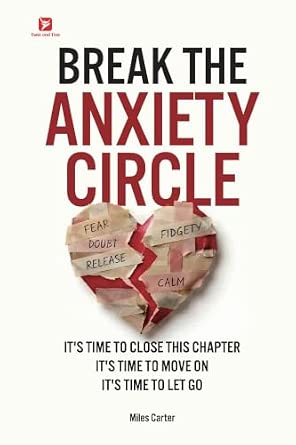 | Best for Closure-Focused Readers | Format: Paperback / Kindle | Primary Focus: Breaking anxiety cycles and emotional closure | Approach: Practical self-help strategies for letting go | VIEW LATEST PRICE | See Our Full Breakdown |
| mental health self-help book | Format | Approach | Reading Level | Primary Focus |
|---|---|---|---|---|
| Unfuck Your Brain: Getting Ove | Paperback | Science-based, cognitive techniques | Adult | Anxiety, depression, anger, triggers |
| The Art of Letting Go: Stop Ov | Paperback / eBook | Practical psychology techniques | Adult | Overthinking, negative spirals, emotional release |
| Cleaning Up Your Mental Mess: | Hardcover / Paperback / eBook / Audiobook | 5-step neuroscience-based method | Adult | Anxiety, stress, toxic thinking |
| Get Out of Your Head: Stopping | Hardcover / Paperback / eBook / Audiobook | Faith-based cognitive strategies | Adult | Toxic thought spirals, mental clarity |
| The Mind Is Not You: Ancient W | Paperback / eBook | Ancient wisdom and contemplative philosophy | Adult | Mental noise, identity, inner freedom |
| Stop Overthinking: 23 Techniqu | Paperback / Kindle | Practical technique-based self-help | Beginner-friendly | — |
| It Didn’t Start with You: How | Paperback / Hardcover / Audiobook | Research-backed exploration with healing strategies | Accessible but substantive | — |
| The Body Keeps the Score: Brai | Paperback / Hardcover / Audiobook / eBook | Scientific research combined with clinical case studies | Intermediate to advanced | — |
| Don’t Believe Everything You T | Paperback / Kindle (Expanded Edition) | Philosophical self-inquiry with practical strategies | Intermediate | — |
| 52-Week Mental Health Journal: | Paperback journal | Guided journaling, not instructional reading | All levels | — |
| Break the Anxiety Circle: It’s | Paperback / Kindle | Practical self-help strategies for letting go | — | Breaking anxiety cycles and emotional closure |
More Details on Our Top Picks
Unfuck Your Brain: Getting Over Anxiety, Depression, Anger, Freak-Outs, and Triggers with Science
Unfuck Your Brain earns the top spot because it covers the widest range of struggles — anxiety, depression, anger, and triggers — in one short, punchy package. Where Cleaning Up Your Mental Mess organizes everything around five structured steps, this book favors direct, science-backed explanations with a blunt tone that readers who dislike clinical stiffness tend to appreciate. Compared with Get Out of Your Head, which leans on faith-inflected encouragement, this pick stays firmly in evidence territory and moves fast.
The tradeoff is density: it compresses a lot of neuroscience into few pages, so readers wanting a slower, workbook-style pace may feel rushed. It also lacks the guided exercises a journal like the 52-Week Mental Health Journal would provide.
Pros:- Science-based strategies across anxiety, depression, anger, and triggers
- Covers more mental health ground than most single-topic competitors
- Short, direct format that respects the reader’s time
- Practical emotion-management techniques, not just theory
Cons:- Dense neuroscience content can overwhelm casual readers
- No workbook elements, exercises, or journaling prompts included
- Blunt tone won’t land well with everyone
Best for: Readers dealing with multiple overlapping issues (anxiety plus anger, for example) who want a science-first, no-coddling approach in one compact read
Not ideal for: Readers sensitive to profanity or those wanting gentle, spiritual framing — the tone is deliberately abrasive
- Format:Paperback
- Primary Focus:Anxiety, depression, anger, triggers
- Approach:Science-based, cognitive techniques
- Tone:Blunt, direct, informal
- Reading Level:Adult
- Best Use:Broad self-directed mental health management
Our verdict“If you want one book that tackles several mental health struggles at once with research instead of platitudes, this is the one to buy.”
The Art of Letting Go: Stop Overthinking, Stop Negative Spirals, and Find Emotional Freedom
Where Stop Overthinking offers 23 discrete techniques, The Art of Letting Go narrows its scope to one skill: releasing the mental grip that fuels rumination. That single-minded focus is its strength — readers who feel paralyzed by negative thought spirals get a deeper treatment of the letting-go process rather than a scattered toolkit. Compared with The Mind Is Not You, which frames mental noise through ancient wisdom, this book stays modern and technique-driven, which suits skeptical readers better.
The downside is narrowness: it won’t help much with trauma, as It Didn’t Start with You might, or with body-based symptoms. Newer and less widely reviewed than the established picks in this roundup, it also offers fewer structured exercises than a journal format would.
Pros:- Focused entirely on overthinking and negative spirals
- Practical techniques rather than abstract philosophy
- Modern, accessible framing without spiritual prerequisites
- Promotes a clear outcome: emotional freedom and calm
Cons:- Narrow scope compared with multi-issue books like Unfuck Your Brain
- Fewer established reviews and track record than category leaders
- Lacks workbook or journaling components
Best for: Chronic overthinkers and ruminators who want a focused, modern guide on releasing negative thought loops rather than a broad mental health survey
Not ideal for: Readers dealing with trauma, grief, or clinical depression — the single-topic scope leaves those areas largely untouched
- Format:Paperback / eBook
- Primary Focus:Overthinking, negative spirals, emotional release
- Approach:Practical psychology techniques
- Tone:Modern, accessible
- Reading Level:Adult
- Best Use:Targeted rumination relief
Our verdict“Buy this if rumination is your primary struggle and you want depth on one skill instead of breadth across many.”
Cleaning Up Your Mental Mess: 5 Simple, Scientifically Proven Steps to Reduce Anxiety, Stress, and Toxic Thinking
Cleaning Up Your Mental Mess stands out for its five-step framework — a structure most competitors lack. Where Unfuck Your Brain moves topic by topic and The Art of Letting Go drills into one skill, this book hands you a repeatable sequence to follow, which matters if you’re the kind of reader who abandons books halfway through. The brain-based reasoning behind each step gives it more scientific credibility than looser titles like Don’t Believe Everything You Think.
The tradeoff: the framework approach can feel formulaic, and readers wanting narrative warmth or spiritual depth may find it dry. It also overlaps heavily with the anxiety-and-stress territory that Get Out of Your Head covers, so owning both is largely redundant — pick one based on preferred tone.
Pros:- Clear, memorable five-step structure that’s easy to follow
- Scientifically grounded brain-based approach
- Broad applicability to anxiety, stress, and negative thinking
- Practical enough for daily repeated use
Cons:- Framework can feel formulaic or repetitive over time
- Overlaps significantly with Get Out of Your Head in subject matter
- Drier tone than narrative-driven alternatives
Best for: Readers who thrive on step-by-step systems and want a repeatable daily method for managing anxiety and toxic thinking
Not ideal for: Readers who find structured programs prescriptive or who want narrative-driven, emotional storytelling instead
- Format:Hardcover / Paperback / eBook / Audiobook
- Primary Focus:Anxiety, stress, toxic thinking
- Approach:5-step neuroscience-based method
- Tone:Structured, educational
- Reading Level:Adult
- Best Use:Building a repeatable mental health routine
Our verdict“This is the pick for anyone who finishes books and applies them — the five-step structure turns reading into an actual routine.”
Get Out of Your Head: Stopping the Spiral of Toxic Thoughts
Get Out of Your Head fills a gap the other picks here don’t: it addresses toxic thought spirals through a Christian faith lens, which completely changes the reading experience. Compared with the secular framing of Cleaning Up Your Mental Mess — which covers similar anxiety-and-thought-management ground — this book weaves scripture and spiritual reflection into its strategies. Readers who want their mental health work aligned with their beliefs will find Cleaning Up Your Mental Mess technically thorough but spiritually flat by comparison.
The obvious tradeoff cuts the other way: secular readers may find the faith content distracting or irrelevant, and the practical toolkit is thinner than the 23-technique catalog in Stop Overthinking. It’s also less clinical than The Body Keeps the Score for anyone dealing with deep trauma.
Pros:- Directly targets spiraling, toxic thought patterns
- Faith-integrated approach that secular titles don’t offer
- Encouraging, warm tone that motivates follow-through
- Accessible to readers new to self-help
Cons:- Heavy faith framing limits audience
- Fewer concrete techniques than technique-dense competitors
- Not suited for trauma-focused needs
Best for: Christian readers who want toxic-thought strategies framed within their faith and who found secular self-help books emotionally flat
Not ideal for: Secular or non-Christian readers — the spiritual framing is woven throughout, not optional side content
- Format:Hardcover / Paperback / eBook / Audiobook
- Primary Focus:Toxic thought spirals, mental clarity
- Approach:Faith-based cognitive strategies
- Tone:Warm, encouraging, spiritual
- Reading Level:Adult
- Best Use:Faith-aligned thought-pattern change
Our verdict“Choose this over secular alternatives only if faith-aligned framing is what will actually keep you reading and applying it.”
The Mind Is Not You: Ancient Wisdom to See Through the Noise and Live More Freely
The Mind Is Not You takes the opposite route from Cleaning Up Your Mental Mess: instead of steps and neuroscience, it draws on ancient wisdom traditions to help readers separate identity from mental noise. Its core insight — that you are not your thoughts — overlaps with Don’t Believe Everything You Think, but this book goes broader philosophically, which makes it better for readers who want context and depth rather than a quick cognitive fix.
The tradeoff is pace and practicality. Where The Art of Letting Go hands over usable techniques quickly, this book asks for patience and reflection; readers in acute distress who need immediate coping tools will likely prefer something faster. It’s also a lesser-known title with a thinner review history than the bestsellers in this roundup.
Pros:- Offers a distinctive identity-versus-thought perspective
- Ancient wisdom framing gives lasting conceptual depth
- Encourages sustainable personal growth, not quick fixes
- Complements technique-focused books well as a second read
Cons:- Fewer immediate, actionable techniques than secular how-to guides
- Philosophical pace may frustrate results-oriented readers
- Less established track record and fewer reader reviews
Best for: Reflective readers drawn to philosophy, meditation traditions, and the question of identity versus thought rather than symptom relief
Not ideal for: Readers in acute anxiety or crisis who need concrete, immediate coping techniques — the pacing is contemplative, not urgent
- Format:Paperback / eBook
- Primary Focus:Mental noise, identity, inner freedom
- Approach:Ancient wisdom and contemplative philosophy
- Tone:Reflective, philosophical
- Reading Level:Adult
- Best Use:Deep personal growth and perspective shift
Our verdict“A strong second book for readers who’ve already tried technique-based titles and want a deeper, wisdom-rooted shift in how they relate to their minds.”
Stop Overthinking: 23 Techniques to Relieve Stress, Stop Negative Spirals, Declutter Your Mind, and Focus on the Present
This pick earns its place as the most action-oriented option in the lineup. Where The Body Keeps the Score asks readers to understand trauma at a deep level first, Stop Overthinking jumps straight into 23 discrete, usable techniques, making it the right choice for someone who wants relief this week, not after a semester of reading. Compared with The Art of Letting Go, which covers similar territory in a more reflective register, this book’s numbered-technique structure makes progress feel measurable. The tradeoff is depth: it skims the why behind overthinking rather than excavating it, so readers with deep-rooted anxiety patterns may find the effects fade without reinforcement. It also lacks the reflective scaffolding that makes the 52-Week Mental Health Journal a longer-term companion. Think of it as a first-aid kit for the mind, not a full treatment plan.
Pros:- Highly actionable format with 23 distinct, grab-and-go techniques
- Low commitment — can be read in short sittings
- Broad coverage of stress, negative spirals, and mindfulness in one volume
- Approachable for readers with no therapy background
Cons:- Techniques are introduced without much scientific or psychological grounding
- Surface-level treatment may not resolve entrenched thought patterns
- Minimal guidance on sustaining results over months
Best for: Stressed overthinkers who want immediate, practical exercises they can apply tonight without wading through theory
Not ideal for: Readers dealing with trauma-rooted rumination who need the deeper causal work covered by It Didn’t Start with You
- Format:Paperback / Kindle
- Techniques covered:23
- Focus areas:Stress relief, negative spirals, mental decluttering, present-moment focus
- Approach:Practical technique-based self-help
- Reading level:Beginner-friendly
- Session style:Short, standalone exercises
Our verdict“Buy this if you want fast, concrete tools against overthinking; skip it if your racing mind traces back to deeper wounds.”
It Didn’t Start with You: How Inherited Family Trauma Shapes Who We Are and How to End the Cycle
This is the most genealogically minded book in the roundup, and nothing else here duplicates its angle. While The Body Keeps the Score focuses on how trauma lives in the individual nervous system, It Didn’t Start with You widens the lens to show how family patterns pass across generations — a genuinely different question for readers who’ve done standard anxiety work and still feel stuck. The strategies require real homework: family history investigation, reflection, and in some cases difficult conversations, which makes it far more demanding than flipping through Stop Overthinking‘s technique list. That depth is the point, but it’s also the drawback — the emotional intensity can catch readers off guard, especially those uncovering painful family history without a therapist’s support. For the right reader, though, it explains things no other pick in this lineup touches.
Pros:- Unique focus on inherited family trauma not covered elsewhere in this roundup
- Well-researched with case studies and scientific grounding
- Offers concrete strategies for ending generational cycles
- Explains patterns that individual-focused books often miss
Cons:- Emotionally heavy content can be destabilizing without professional support
- Requires substantial time, reflection, and sometimes family research
- Not a substitute for therapy when active trauma is involved
Best for: Readers who suspect their anxiety or depression has family roots and want a research-backed framework for breaking inherited patterns
Not ideal for: Anyone seeking fast stress relief — the reflective, emotionally heavy work here moves at the opposite pace of quick technique books
- Format:Paperback / Hardcover / Audiobook
- Focus areas:Intergenerational trauma, family patterns, cycle-breaking
- Approach:Research-backed exploration with healing strategies
- Time commitment:High — reflection and family-history work required
- Emotional intensity:High
- Reading level:Accessible but substantive
Our verdict“Choose this if patterns in your family tree seem to repeat in your own struggles; choose something lighter if you need immediate stress relief.”
The Body Keeps the Score: Brain, Mind, and Body in the Healing of Trauma
Widely regarded as the foundational text on trauma, this book is the intellectual anchor of this roundup. Compared with It Didn’t Start with You, which traces trauma through family lines, The Body Keeps the Score goes inward and physiological, explaining how trauma reshapes the brain and body and why talk alone often isn’t enough. Readers who found Stop Overthinking too shallow will find the scientific depth here satisfying — but that same rigor is the tradeoff. It’s a dense, clinical read that can overwhelm casual readers who just want coping tools, and its case narratives, while powerful, are graphic at times. It also leans more toward explanation than workbook-style exercises, so pair it with the 52-Week Mental Health Journal if you want a practice companion. As a why-is-this-happening-to-me resource, nothing else in this lineup competes.
Pros:- Authoritative, research-backed exploration of trauma’s biology
- Covers multiple treatment pathways from therapy to body-based approaches
- Helps readers contextualize their symptoms with real clarity
- Considered a landmark text by mental health professionals
Cons:- Dense and long — a slow read compared with technique-based picks
- Some case descriptions are graphic and emotionally difficult
- More explanatory than practical, with few workbook-style exercises
Best for: Readers who want a science-grounded understanding of how trauma affects mind and body before choosing healing methods
Not ideal for: Casual readers wanting quick stress-management tips — the length and clinical density demand real commitment
- Format:Paperback / Hardcover / Audiobook / eBook
- Focus areas:Trauma, neuroscience, mind-body healing, recovery approaches
- Approach:Scientific research combined with clinical case studies
- Length:Long-form (400+ pages)
- Time commitment:High
- Reading level:Intermediate to advanced
Our verdict“This is the book for understanding what trauma does to you; if you only want tools to feel calmer this week, pick a lighter option.”
Don’t Believe Everything You Think (Expanded Edition): Why Your Thinking Is The Beginning & End Of Suffering
This pick sits philosophically between Get Out of Your Head and The Mind Is Not You, borrowing the thought-challenging angle of the former and the contemplative tone of the latter. Its central premise — that suffering is generated by identifying with thoughts — gives it a more radical framing than typical cognitive self-help, and the expanded edition adds material that deepens the original argument. Compared with Stop Overthinking, which offers quick counters to spiraling, this book asks readers to fundamentally reconsider their relationship to thinking itself, which yields deeper results but demands more patience. The tradeoff is that it’s not a rapid-relief book; readers wanting an exercise-per-chapter structure will find the pace slower and the concepts more abstract. It rewards those willing to sit with ideas rather than rush to fixes.
Pros:- Deeper framing than typical thought-challenging books
- Expanded edition includes additional content beyond the original
- Practical strategies for questioning unhelpful thought patterns
- Blends actionable advice with a contemplative perspective
Cons:- Denser and more abstract than quick-fix alternatives
- Requires sustained time and reflection to see benefits
- Philosophical tone may not resonate with pragmatic readers
Best for: Readers already familiar with basic self-help who want a deeper philosophical framework for loosening the grip of negative thinking
Not ideal for: Readers in acute stress who need immediate, concrete coping techniques — the abstract approach works slowly
- Format:Paperback / Kindle (Expanded Edition)
- Focus areas:Thought patterns, mental suffering, mindfulness of thinking
- Approach:Philosophical self-inquiry with practical strategies
- Edition:Expanded with additional content
- Time commitment:Moderate to high
- Reading level:Intermediate
Our verdict“Pick this if you want to change your relationship with thinking itself rather than just managing individual thoughts; skip it if you need overnight relief.”
52-Week Mental Health Journal: Guided Prompts and Self-Reflection to Reduce Stress and Improve Well-Being
The only structured, year-long companion in this roundup, this journal replaces reading with doing. Where every other pick here delivers insight on the page, this one makes the reader the author of their own progress — guided prompts each week turn vague intentions into a trackable practice. It pairs naturally with something like Stop Overthinking, whose techniques could be rehearsed through the journal’s weekly structure, and it solves the follow-through problem that books like Don’t Believe Everything You Think leave to the reader’s discipline. The tradeoffs are real, though: there’s no narrative or teaching content, so it won’t explain why you’re struggling the way The Body Keeps the Score does, and the year-long commitment exceeds what many buyers realistically sustain. It’s a tool, not a teacher — buy it to practice, not to learn.
Pros:- Structured 52-week format builds a sustainable long-term habit
- Guided prompts remove the blank-page problem of ordinary journaling
- Doubles as a mental health tracker, making progress visible
- Complements any of the reading-focused books in this roundup
Cons:- Contains no educational content — useless without context or prior knowledge
- Year-long commitment leads many users to abandon it by spring
- Sparse product details make quality and materials hard to evaluate before buying
Best for: Motivated readers who understand their issues and want a structured, guided daily practice to actually apply what they’ve learned
Not ideal for: Readers seeking explanation or insight — this contains prompts, not the teaching found in the other titles here
- Format:Paperback journal
- Structure:52 weeks of guided prompts
- Focus areas:Stress reduction, self-reflection, well-being tracking
- Approach:Guided journaling, not instructional reading
- Time commitment:Weekly entries over one year
- Reading level:All levels
Our verdict“Choose this if you’ve read the theory and need accountability to practice; skip it if you’re still looking for answers rather than a routine.”
Break the Anxiety Circle: It’s Time to Close This Chapter, Move On, and Let Go
Most anxiety books on this list attack symptoms — Stop Overthinking gives you 23 techniques, and Cleaning Up Your Mental Mess walks through a five-step protocol. Break the Anxiety Circle takes a different angle: it frames anxiety as a chapter to close rather than a habit to manage, which makes this pick better suited to readers whose stress is tied to past burdens and unfinished emotional business. Compared with The Art of Letting Go, which covers similar letting-go territory, this book leans more toward forward momentum and rebuilding confidence than meditation-style acceptance. The tradeoff is real, though: with little public review data and a thin content description, buyers are gambling on an unproven voice where established titles offer track records. If closure is what you need, it fills a niche the bigger names skip; if you want science-backed authority, look elsewhere on this list.
Pros:- Frames anxiety around emotional closure, a niche most anxiety books skip
- Practical strategies for letting go rather than abstract theory
- Encourages forward momentum and rebuilding confidence
- Approachable for readers who find clinical titles intimidating
Cons:- No customer ratings or reviews to vouch for effectiveness
- Sparse content description makes it hard to evaluate before buying
- Lacks the scientific grounding of titles like Cleaning Up Your Mental Mess
Best for: Readers stuck ruminating on a specific past event — a breakup, loss, or failure — who want a closure-and-move-on approach rather than daily anxiety management techniques
Not ideal for: Buyers who rely on reviews and scientific credentials, since this title lacks detailed content information and any established reader feedback
- Format:Paperback / Kindle
- Primary Focus:Breaking anxiety cycles and emotional closure
- Approach:Practical self-help strategies for letting go
- Key Themes:Anxiety relief, moving on, personal growth
- Scientific Backing:Not research-cited
- Customer Ratings:None available
- Reader Level:Beginner-friendly
Our verdict“Worth a look only if you specifically want a closure-oriented approach to anxiety and are comfortable taking a chance on an unreviewed title.”

How We Picked
I evaluated each title against four buyer-relevant criteria: evidence base (does the author cite research or clinical practice, or rely on platitudes?), actionability (can a reader apply something within the first chapter?), accessibility (tone, length, and whether it suits someone in acute distress or a curious self-improver), and durability of value (will the reader return to it, or is it a one-time read?). I also weighed how each book compares to direct competitors covering the same problem — anxiety, overthinking, or trauma — because the real decision for most buyers is choosing between near-duplicates.
The ranking favors books that combine scientific grounding with readability, which is why Unfuck Your Brain leads and the more academic The Body Keeps the Score sits mid-pack despite its reputation. Philosophy-driven titles rank lower for acute struggles but earn their spots for readers seeking long-term perspective. The journal earns a place as the best interactive companion rather than a replacement for any of the narrative-driven picks.
| mental health self-help book | Primary Focus | Reading Level |
|---|---|---|
| Unfuck Your Brain: Getting Ove | Anxiety, depression, anger, triggers | Adult |
| The Art of Letting Go: Stop Ov | Overthinking, negative spirals, emotional release | Adult |
| Cleaning Up Your Mental Mess: | Anxiety, stress, toxic thinking | Adult |
| Get Out of Your Head: Stopping | Toxic thought spirals, mental clarity | Adult |
| The Mind Is Not You: Ancient W | Mental noise, identity, inner freedom | Adult |
| Stop Overthinking: 23 Techniqu | — | Beginner-friendly |
| It Didn’t Start with You: How | — | Accessible but substantive |
| The Body Keeps the Score: Brai | — | Intermediate to advanced |
| Don’t Believe Everything You T | — | Intermediate |
| 52-Week Mental Health Journal: | — | All levels |
| Break the Anxiety Circle: It’s | Breaking anxiety cycles and emotional closure | — |
Factors to Consider When Choosing Mental Health Self-help Books
Choosing a mental health self-help book is less about finding the “best” title and more about matching the book’s approach to where you are right now. These are the factors that actually change whether a book helps you or ends up half-read on a nightstand.Science-Backed Versus Wisdom-Based
The biggest split in this category is between books grounded in neuroscience and clinical research, and books drawing on philosophy or spiritual traditions. Research-based titles tend to explain why your brain behaves the way it does, which matters if you’re skeptical or analytical — understanding the mechanism often makes the techniques feel credible enough to actually try. Wisdom-based books work differently: they shift your relationship to your thoughts rather than trying to fix them, which can be powerful for chronic overthinkers who’ve already exhausted tactical approaches. The mistake to avoid is assuming one approach is universally superior. If you’re in acute anxiety, a practical science-based book usually produces faster relief; if you’ve read a dozen of those and still feel stuck, a perspective-shift book may be what’s missing.
Reading Effort and Current Mental State
Be honest about your capacity before buying. Dense, 400-plus-page clinical titles demand sustained focus — fine for a motivated reader, punishing for someone whose concentration anxiety has already shredded. Shorter, conversational books with punchy chapters are easier to finish, and finishing matters more than depth in self-help, because an abandoned book helps no one. A common pattern I noticed across this category is that buyers in distress overestimate the reading they’ll do. If your attention is limited, pick the shortest credible option first, then graduate to deeper material once you have momentum. You can always read the rigorous book later; you can’t reclaim the weeks lost forcing yourself through one that’s too heavy.
Specific Problem Versus General Well-Being
Generic “feel better” books underperform targeted ones for most readers. Anxiety, trauma, and rumination respond to different frameworks, and a book trying to address everything usually addresses nothing deeply. Before buying, name your primary struggle in one sentence — “I can’t stop replaying conversations” points you toward the overthinking cluster, while “I react strongly to things from my past” points toward the trauma titles. The tradeoff: a narrowly focused book risks missing your actual issue if you’ve misdiagnosed yourself, while a broad book covers everything thinly. When in doubt, a moderately focused book with a strong table of contents lets you jump to relevant chapters rather than reading cover to cover.
Reading Versus Doing
Some books are meant to be read; others are meant to be worked through. Journals and prompt-based books only deliver results if you’ll genuinely write in them regularly, which fewer people do than admit at checkout. Meanwhile, pure narrative books can become passive consumption — intellectually satisfying but behaviorally inert. The strongest outcomes in this category often come from pairing one explanatory book with one interactive tool, so the concepts get translated into practice. If you know you won’t keep a journaling habit, don’t buy the journal no matter how good the prompts are; spend that money on a second perspective-shifting book instead.
When a Book Isn’t Enough
Self-help books are most effective for mild to moderate struggles, self-awareness, and maintenance — they are not a substitute for therapy when symptoms are severe or worsening. A responsible buyer treats these books as a supplement, not a treatment plan, especially for trauma, where professional support makes a real difference in outcomes. Several strong titles in this space say as much themselves. If you notice a book’s exercises consistently flooding you with distress rather than relieving it, that’s a signal to involve a professional, not to buy a different book and try again. The best use of self-help reading is between therapy sessions, after it, or before you’re ready to start — not instead of it when things are serious.
Frequently Asked Questions
Can a self-help book actually replace therapy for anxiety or depression?
For mild symptoms, a well-chosen book can produce measurable improvement, especially ones teaching recognized techniques like cognitive defusion or the five-step thought-management frameworks in this lineup. But books can’t adapt to your responses, notice what you’re avoiding, or adjust course when something isn’t working — that feedback loop is what therapy provides. The titles by clinician-authors, such as Cleaning Up Your Mental Mess, are transparent about this limit and frame themselves as complements to treatment. My rule of thumb: if symptoms are interfering with work, relationships, or sleep, use the book alongside professional help rather than instead of it. If you’re dealing with everyday stress and rumination, a book alone is often genuinely enough.
Several of these books are about overthinking — do I need more than one?
Probably not. The Art of Letting Go, Get Out of Your Head, Stop Overthinking, and Don’t Believe Everything You Think cover substantially overlapping ground with different framing — one leans on thought-restructuring, another on spiritual non-attachment. Buying multiple overthinking books usually means paying twice for the same core insight. Pick based on tone preference: conversational and tactical for quick relief, philosophical if you want a deeper identity-level shift. Only add a second title if you’ve fully applied the first for a month and still feel stuck, because at that point the problem is likely application, not information.
Is The Body Keeps the Score worth it if I find long books hard to finish?
It depends on what you want from it. As an explanation of how trauma lives in the body, it’s unmatched in this lineup, and many readers describe it as the first thing that made their reactions make sense. But it’s long, clinically detailed, and emotionally heavy in sections — not ideal if your reading stamina or emotional bandwidth is already low. A reasonable workaround is reading it slowly, chapter by chapter, alongside a lighter practical book for day-to-day tools. If you just want coping techniques without the underlying science, you’ll get results faster from a shorter, exercise-driven title and can save this one for when you have the capacity.
Are the swearier, casual-toned books less credible than clinical ones?
Tone and rigor aren’t the same thing, and this roundup makes that clear — Unfuck Your Brain uses blunt language while still grounding its advice in neuroscience, whereas some politely written books rely on untested affirmations. Casual tone is a delivery choice, often deliberate, aimed at readers turned off by clinical stiffness. What actually predicts credibility is whether the author cites research, describes mechanisms, or draws on clinical practice. Judge the sourcing, not the swearing. The real risk with casual books is different: their punchy style can oversimplify complex issues, so they work best for common struggles rather than deep-seated ones.
Will a guided journal actually help if I’ve failed at journaling before?
Guided journals have a better track record than blank-page journaling precisely because prompts remove the “what do I write?” barrier that kills most habits. The 52-Week format in this lineup works because it’s structured, time-boxed, and doesn’t demand long entries — five minutes counts. That said, if your past failures came from forgetting rather than not knowing what to write, structure alone won’t fix it; pairing the journal with an existing habit, like morning coffee, matters more. Journals also work best combined with an explanatory book, since prompts without context can feel like homework. If you genuinely hate writing, skip the journal entirely and choose a book with built-in reflection questions instead.
Conclusion
For best overall, Unfuck Your Brain balances scientific credibility, accessibility, and immediate usefulness better than anything else in this lineup. The best value pick is Stop Overthinking, which packs 23 discrete techniques into an inexpensive package you’ll actually revisit. For readers wanting the deepest, most premium reading experience, The Body Keeps the Score is the heavyweight choice — dense, rigorous, and best suited to trauma-focused readers with real reading stamina. Best for beginners goes to Break the Anxiety Circle, whose short, gentle structure suits first-time self-help readers and anyone in acute stress. For specific needs: choose It Didn’t Start with You for inherited family patterns, Don’t Believe Everything You Think or The Mind Is Not You for a philosophy-driven shift in perspective, and pair any of them with the 52-Week Mental Health Journal if you’re ready to turn reading into practice.
Fall Picks
fall essentials
As an affiliate, we earn on qualifying purchases.