

Conspiracy thinking in high-profile cases is fueled by sensational media coverage, social media amplification, and repeated misinformation that quickly spreads. Psychological biases like distrust, fear, and pattern recognition cause you to seek simple explanations, even if untrue. Powerful narratives tap into emotional triggers and reinforce beliefs with visual impact. As you explore further, you’ll see how these factors combine to deepen suspicion and make conspiracy theories hard to dispel.
Key Takeaways
- Media coverage and sensationalism amplify shocking details, fueling public suspicion and conspiracy narratives.
- Cognitive biases and emotional vulnerabilities, like distrust and fear, increase susceptibility to high-profile conspiracy theories.
- Conflicting media reports and misinformation campaigns create confusion, encouraging people to connect unrelated dots.
- Algorithms and social media facilitate rapid spread of sensational, emotionally charged content, reinforcing conspiracy beliefs.
- The use of supernatural themes and symbols deepens engagement and makes conspiracy narratives more memorable and persuasive.

Teaching Students to Decode the World: Media Literacy and Critical Thinking Across the Curriculum
As an affiliate, we earn on qualifying purchases.
As an affiliate, we earn on qualifying purchases.
Why Conspiracy Theories Flourish in High-Profile Cases

High-profile cases tend to attract intense media coverage and public attention, which often creates fertile ground for conspiracy theories to thrive. Media sensationalism amplifies these events, emphasizing shocking details and fueling speculation. This heightened coverage appeals to cognitive biases like confirmation bias, where you seek information that supports pre-existing beliefs. When the media presents conflicting narratives or hints at hidden motives, it deepens suspicion and encourages you to connect dots that may not exist. The constant flow of sensational stories keeps conspiracy theories alive, as your mind searches for explanations that fit the drama. Additionally, the visual impact of sensationalized media visuals can reinforce emotional responses, further entrenching conspiracy beliefs. Moreover, the rapid dissemination of misinformation through social media platforms accelerates the spread and persistence of these theories. The emotional and psychological impact of Media sensationalism plays a crucial role in shaping public perception and maintaining conspiracy narratives. Furthermore, the influence of cognitive biases makes it easier for conspiracy theories to spread and persist during high-profile cases. For example, confirmation bias can lead individuals to favor information that aligns with their existing suspicions, making it harder to accept alternative explanations. Ultimately, the combination of media sensationalism and cognitive biases makes it easier for conspiracy theories to spread and persist during high-profile cases.

Conspiracies Declassified: The Skeptoid Guide to the Truth Behind the Theories
As an affiliate, we earn on qualifying purchases.
As an affiliate, we earn on qualifying purchases.
What Psychological Traits Make People Susceptible to Conspiracy Theories

Certain psychological traits can make you more prone to believing in conspiracy theories. These include cognitive biases and emotional vulnerabilities that distort perception and foster distrust. For example, confirmation bias pushes you to favor information that supports your existing beliefs, while proportionality bias makes you see grand schemes behind simple events. Emotional vulnerabilities, like fear or insecurity, heighten susceptibility by making you seek explanations that provide a sense of control. Here’s a deeper look:
| Trait | Effect | Example |
|---|---|---|
| Cognitive biases | Skew your interpretation of evidence | Ignoring facts that disconfirm beliefs |
| Emotional vulnerabilities | Amplify distrust and paranoia | Fear fueling suspicion of others |
| Need for certainty | Drives you to accept conspiracy explanations | Rejecting ambiguity for clear narratives |
| Pattern recognition | See connections where none exist | Connecting unrelated events intentionally |

Logic Puzzles for Smart Teens: 200 Challenging Brain Teasers, Riddles, and Mind Games for Teenagers Ages 12 and Up to Boost Critical Thinking and Problem-Solving Skills
As an affiliate, we earn on qualifying purchases.
As an affiliate, we earn on qualifying purchases.
How Social Media and Misinformation Amplify Conspiracy Theories
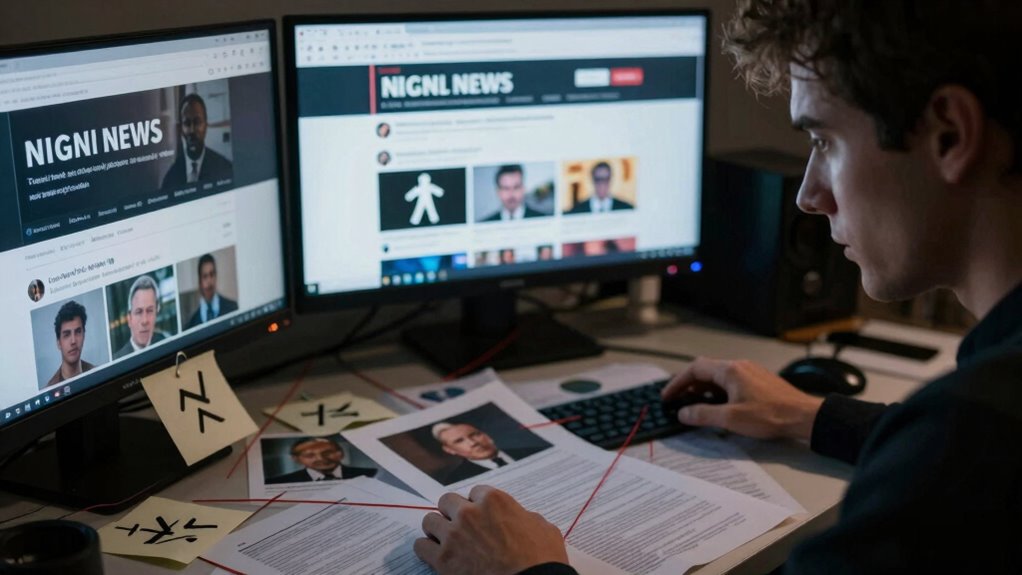
Have you ever wondered how social media platforms can spread conspiracy theories so rapidly? It’s because misinformation often goes viral, reaching thousands or millions in a short time. Social media algorithms favor sensational content, making conspiracy theories more visible and engaging. When you’re exposed only to like-minded voices within echo chambers, your beliefs get reinforced, and alternative perspectives are excluded. This environment fuels the viral spread of misinformation, as users share and amplify theories without fact-checking. The rapid dissemination creates a false sense of consensus, making conspiracy theories seem more credible. Additionally, the lack of fact-checking mechanisms allows falsehoods to proliferate unchecked, further fueling mistrust. As a result, social media doesn’t just connect people—it also accelerates the spread of falsehoods, deepening mistrust and misunderstanding in high-profile cases. The algorithm-driven content distribution plays a significant role in amplifying these theories beyond their original context. Moreover, the confirmation bias of users tends to prioritize sensationalism over factual accuracy, further exacerbating the problem. The viral nature of social media content can sometimes distort the perception of what is widely accepted or true, influencing public opinion in subtle yet powerful ways. For example, the visual and emotional appeal of conspiracy content makes it more memorable and persuasive, even when lacking factual basis.

Python Data Science Handbook: Essential Tools for Working with Data
As an affiliate, we earn on qualifying purchases.
As an affiliate, we earn on qualifying purchases.
How Trust, Authority, and Uncertainty Drive Conspiracy Beliefs

Social media’s role in spreading misinformation amplifies how conspiracy beliefs take hold, but underlying factors like trust erosion, authority skepticism, and uncertainty also play a key part. When you start to doubt official sources or question the motives of trusted institutions, it becomes easier to accept alternative explanations. As trust in authorities diminishes, it might lead to increased reliance on offensive security measures and unverified sources, which can foster conspiracy thinking. Additionally, the spread of misinformation is often fueled by misinformation campaigns that exploit existing doubts and fears among the public. Uncertainty about complex issues leaves you more vulnerable to simplified narratives that offer definitive answers. This distrust in institutions further weakens the foundation of factual information, making it easier for falsehoods to spread. The erosion of trust and skepticism toward authority figures create fertile ground for conspiracy beliefs to flourish. When you feel unsure or betrayed by those in power, you’re more likely to embrace theories that challenge the official story, seeking clarity in a landscape riddled with doubt. Recognizing the role of information authenticity can help in understanding how these beliefs are propagated and sustained. Moreover, understanding how cognitive biases influence perception can shed light on why certain narratives resonate more strongly with individuals.
What Are Common Themes in High-Profile Conspiracy Stories

High-profile conspiracy stories often share recurring themes that make them compelling and believable. One common theme is the belief in hidden motives behind powerful figures or organizations, suggesting there’s more than meets the eye. These stories often highlight symbolic meanings, where events or symbols are interpreted as deliberate messages or signs. You might see a seemingly innocent occurrence reinterpreted as a piece of a larger puzzle, fueling suspicion. This focus on hidden motives and symbolic meanings helps conspiracy theories create a sense of depth and complexity, making them more convincing. It taps into your desire to uncover the truth and see patterns others overlook. Additionally, the use of energy-related themes in some narratives can amplify the sense of urgency or importance surrounding the story. These themes make high-profile cases feel personal and meaningful, even if the evidence remains ambiguous. The tendency to interpret paranormal phenomena as evidence of a hidden truth can also reinforce these stories, adding a layer of supernatural intrigue. Moreover, the way these narratives often employ psychological manipulation techniques can deepen their impact, making believers more committed to their interpretations.
Strategies to Recognize and Counter Conspiracy Theories

Recognizing and countering conspiracy theories requires a mindful approach to the patterns and tactics they often employ. You can start by sharpening your critical thinking skills—question sources, examine evidence, and look for logical inconsistencies. Developing media literacy is equally important; learn to identify bias, sensational language, and misinformation. When you encounter a claim, check its origin and compare it against reputable sources. Don’t accept extraordinary assertions without solid proof. Be skeptical of conspiracy narratives that rely on fear or appeal to emotion. Instead, focus on verifying facts and understanding the broader context. By actively analyzing information and questioning assumptions, you can better distinguish between credible evidence and manipulative tactics used to spread conspiracy theories. Engaging with philosophical insights on authenticity can also provide a deeper perspective on the importance of genuine understanding versus superficial beliefs.
Frequently Asked Questions
How Do Cultural Backgrounds Influence Susceptibility to Conspiracy Theories?
Your cultural background shapes your susceptibility to conspiracy theories through cultural biases that influence belief formation. If your community distrusts authority or values skepticism, you’re more likely to question official accounts. Personal experiences and shared norms reinforce these biases, making you more receptive to alternative explanations. Understanding these influences helps you recognize how your cultural context can either protect you from or expose you to conspiracy thinking.
What Role Do Emotional Responses Play in Embracing Conspiracy Beliefs?
Your emotional responses play a significant role in embracing conspiracy beliefs, as emotional triggers like fear or anger can cloud judgment and make you more receptive to suspicious narratives. When trust erodes—whether in authorities or mainstream sources—you become more vulnerable to conspiracy theories that offer simple explanations. These feelings intensify your belief in such theories, as they seem to address your emotional needs and fill gaps left by skepticism.
Can Education Effectively Reduce Belief in High-Profile Conspiracy Theories?
You might be surprised to learn that studies show education can substantially decrease belief in conspiracy theories. By enhancing critical thinking and media literacy, you learn to evaluate sources more carefully and spot misinformation. This empowers you to question sensational claims and seek credible evidence. So, yes, education can be an effective tool to reduce belief in high-profile conspiracy theories, helping you become a more informed and skeptical thinker.
How Do Economic Factors Impact the Spread of Conspiracy Narratives?
Economic factors, like financial incentives, can substantially boost conspiracy narratives by funding sensational content that attracts viewers and clicks. You might notice media influence amplifies these stories, spreading misinformation faster. When profits depend on engagement, media outlets may prioritize controversial or sensational theories over accuracy. This cycle feeds conspiracy thinking, making it harder for you to discern truth, especially when economic motives drive the dissemination of misleading narratives.
What Are the Long-Term Societal Effects of Widespread Conspiracy Thinking?
You might find society increasingly divided, with media sensationalism fueling distrust and social polarization deepening divides. Widespread conspiracy thinking can erode trust in institutions, weaken social cohesion, and foster cynicism. As false narratives spread, communities may become more fragmented, making it harder to address collective challenges. In the long run, this mindset risks diminishing informed discourse, undermining democracy, and creating a polarized world where mutual understanding is scarce.
Conclusion
Understanding why conspiracy theories thrive helps you see through the noise. Just like a lighthouse guides ships in a storm, recognizing the psychological and social factors behind these theories keeps you grounded. By questioning sources, staying skeptical, and seeking facts, you can avoid falling into the trap of misinformation. Remember, high-profile cases often attract sensational stories, but your awareness is your best defense—shining a light on the truth amid the chaos.