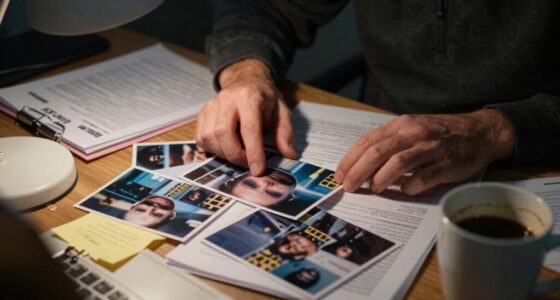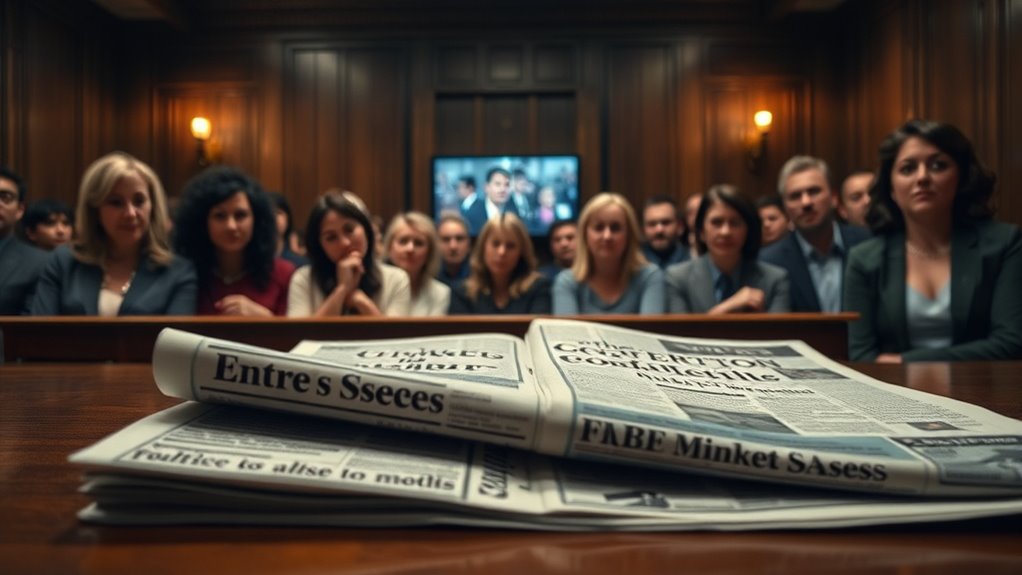

Pretrial publicity can greatly influence jurors and threaten fair justice. When media covers a case extensively, it can create biases or preconceived notions, making it difficult for jurors to stay impartial. This exposure can sway opinions before the trial even begins, risking wrongful convictions or acquittals. Although legal safeguards like jury instructions help, their effectiveness isn’t guaranteed. Understanding these effects helps highlight why maintaining objectivity remains essential. If you keep exploring, you’ll gain deeper insight into how justice fights these challenges.
Key Takeaways
- Extensive pretrial publicity can bias jurors, impacting their ability to remain impartial during a trial.
- Media sensationalism and selective coverage shape public perception, influencing jury decision-making.
- Juror biases from pretrial publicity can lead to wrongful convictions or acquittals.
- Court measures like gag orders and jury instructions aim to mitigate media influence but are not always fully effective.
- Widespread media coverage threatens the fairness and integrity of the judicial process.
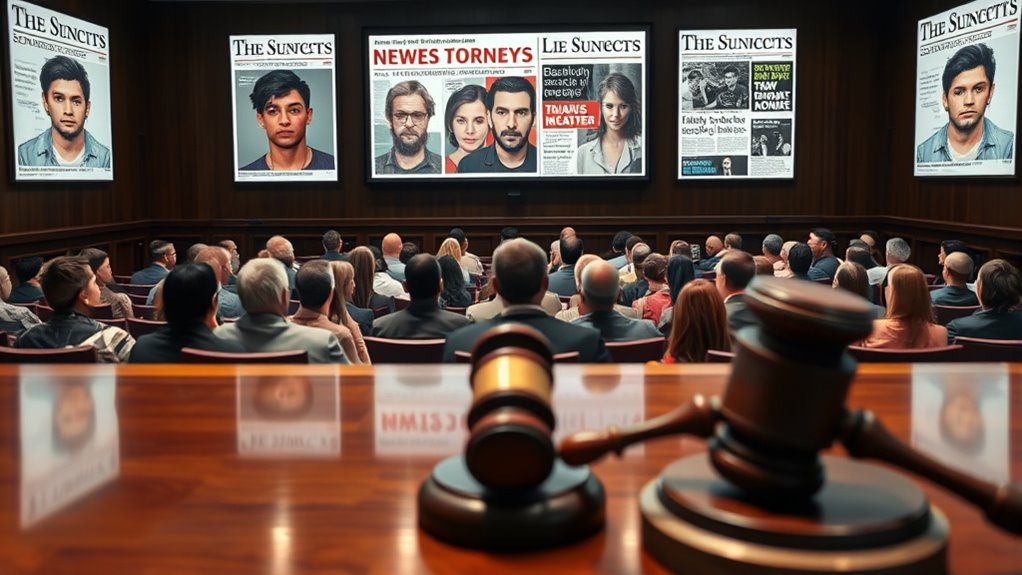
Have you ever wondered how media coverage before a trial can influence the outcome? It’s a question that strikes at the heart of our justice system and highlights the powerful role that pretrial publicity plays in shaping perceptions. When the media covers a case extensively, it often introduces biases—whether intentional or not—that can seep into the minds of potential jurors. Media bias can come in many forms, from sensational headlines to selectively highlighting certain details while ignoring others. This skewed portrayal risks creating preconceived notions about the defendant, the victim, or the case itself. As a juror, you might find it difficult to set aside what you’ve seen or heard in the media, which can threaten your ability to remain impartial. Juror impartiality is a cornerstone of fair trials, but pretrial publicity can make it challenging to uphold this principle. Even if you believe you’re unaffected, subconscious biases can influence your judgment, potentially swaying your verdict.
The problem intensifies because the media often aims to attract viewers or readers, sometimes prioritizing sensationalism over accuracy. This can lead to a skewed perception of guilt or innocence before the trial even begins. When jurors are exposed to such biased coverage, they may develop opinions that are difficult to dispel during the actual courtroom proceedings. Judges are aware of this risk and often implement measures to mitigate it, such as issuing gag orders or instructing jurors to avoid media coverage related to the case. However, these efforts aren’t always entirely effective, especially when the case has received widespread attention. Jurors may have already formed impressions from news reports, social media posts, or discussions outside the courtroom, which complicates the judge’s efforts to ensure an unbiased jury. Additionally, pretrial publicity can influence public opinion and impact the overall fairness of the process.
This influence of pretrial publicity underscores the importance of careful jury selection and thorough instructions. Still, completely eliminate the effects of media bias on juror impartiality remains a significant challenge. The integrity of a trial depends on whether the jury can objectively evaluate evidence without the weight of external influences. When media bias clouds perceptions, justice can be compromised—either by wrongful convictions or wrongful acquittals. Understanding how media coverage shapes juror attitudes highlights why the legal system continually seeks ways to protect the fairness of proceedings amid the pervasive presence of pretrial publicity.
Frequently Asked Questions
How Can Jurors Be Protected From Pretrial Publicity?
To safeguard jurors from pretrial publicity, you should be cautious about media bias and avoid consuming news that might influence your judgment. Courts often implement measures like sequestering jurors or issuing gag orders to limit exposure. As a juror, stay aware of how public awareness and media coverage could sway your perception, and follow court instructions strictly to ensure a fair trial.
What Legal Measures Exist to Limit Pretrial Publicity?
Imagine a quiet space for justice to flourish. Legal measures like media blackouts and gag orders help achieve this by restricting the dissemination of certain information. Courts use these tools to limit pretrial publicity, ensuring jurors remain impartial. Gag orders prevent attorneys and parties from discussing case details publicly, while media blackouts temporarily halt news coverage. These measures protect the fairness of the trial and uphold the integrity of the justice process.
Does Pretrial Publicity Influence Sentencing Decisions?
Pretrial publicity can influence sentencing decisions by creating jury bias, which may compromise sentencing fairness. When jurors are exposed to media coverage, they might form preconceived notions about the defendant or case, affecting their judgment. This bias threatens the impartiality of sentencing, leading to potentially unjust outcomes. To preserve fairness, courts often implement measures like admonitions or sequestering jurors to minimize publicity’s impact on sentencing decisions.
How Do Judges Assess Juror Impartiality Before Trial?
You assess juror impartiality by conducting an impartiality assessment through voir dire, asking specific questions about jury bias and their exposure to pretrial publicity. You look for signs of bias or preconceived notions that could influence their judgment. During this process, you aim to guarantee each juror can decide the case fairly, free from external influences, maintaining the integrity of the trial and upholding justice.
Are There Differences in Pretrial Publicity Effects Across Jurisdictions?
Like a river flowing through diverse landscapes, jurisdictional variations and cultural influences shape how pretrial publicity impacts juries. In some areas, strong media scrutiny may sway opinions more, while others emphasize impartiality despite publicity. You’ll find that legal standards and societal norms differ, affecting juror perceptions. These differences highlight the importance of tailoring voir dire and judicial instructions to mitigate biases and uphold justice across varied jurisdictions.
Conclusion
Pretrial publicity is like a storm brewing before the trial even begins. It clouds judgment and can tip the scales of justice if you’re not careful. As a juror, you must navigate through this fog, staying fair and impartial. Remember, your duty is to see the facts clearly, beyond the headlines and hype. Only then can justice shine through, like the calm after a storm, ensuring a fair trial for everyone involved.