

When evaluating an alibi, you should examine the reliability of witness memories, noting possible errors under stress or delay. Check supporting evidence like surveillance footage or electronic records to see if they align precisely with the crime’s timeframe. Analyze whether the accused’s claimed whereabouts are plausible based on verified data. Carefully weigh the credibility of each element, as a solid, corroborated alibi can create reasonable doubt. If you keep exploring, you’ll uncover how these factors combine for a thorough assessment.
Key Takeaways
- Evaluate the reliability of eyewitness testimonies, considering memory accuracy and view clarity during the relevant time.
- Corroborate alibi details with objective evidence like surveillance footage, GPS data, or receipts with timestamps.
- Ensure the alibi’s timeline logically fits the crime window, assessing its plausibility and precision.
- Assess the overall quality and consistency of evidence, noting absence or ambiguity that may weaken the alibi.
- Combine multiple credible sources to build a coherent, plausible case that places the suspect elsewhere, creating reasonable doubt.

When evaluating an alibi, you need to carefully determine whether the accused was elsewhere at the time of the alleged crime. This process hinges on *judging* the strength of the alibi through multiple factors, including eyewitness reliability and alibi corroboration. Eyewitness testimony can be compelling but also fallible. People’s memories are imperfect, especially under stressful circumstances or after a delay, so it’s *vital* to scrutinize how credible their accounts are. You should consider whether witnesses have a clear view of the accused at the relevant time, whether their memories have been challenged or confirmed by other evidence, and if their statements are consistent over time. Eyewitness reliability becomes a cornerstone in either supporting or undermining the alibi.
Alibi corroboration involves seeking supporting evidence that confirms the accused’s whereabouts. This can include surveillance footage, electronic records like GPS or credit card transactions, or physical evidence such as receipts and timestamps. When you find such corroboration, it bolsters the credibility of the alibi, making it more difficult for the prosecution to dismiss it as mere hearsay. Conversely, if no supporting evidence exists, or if the evidence is ambiguous or unreliable, the alibi’s strength diminishes. It’s also *vital* to examine the timing of the evidence. An alibi that places the accused elsewhere during the exact window of the crime is more compelling than one that has a slight margin of error.
You should also evaluate the plausibility of the alibi. Does the timeline make sense? Is there a reasonable explanation for the person’s whereabouts that aligns with the evidence? For example, if the accused claims to have been at a location with multiple witnesses or verifiable records, the alibi gains weight. But if the alibi relies solely on a single witness with a questionable memory or an unclear record, you need to weigh that testimony carefully. Remember, the reliability of eyewitnesses can vary, and their testimonies should be corroborated whenever possible to build a solid case.
Additionally, understanding the role of technology in establishing alibis can significantly enhance the assessment process, as electronic records often provide precise and objective evidence of a person’s location at a specific time.
Ultimately, your goal is to piece together a coherent picture that either places the accused somewhere else at the time of the crime or raises reasonable doubt. Careful *examination* of eyewitness reliability and thorough alibi corroboration are essential steps to *guarantee* your assessment is accurate, fair, and legally sound.

Lovskoo Mini WiFi Camera 1080P Security Cameras Wireless Micro Cam Outdoor Indoor Camera with Night Vision, Motion Detection, Pet Camera, Small Camera Video Surveillance Equipment Cool Stuff
[Wireless Wifi Camera] Perfect Surveillanc-e Equipmen-t for protecting your home and one's parents. With a quick free-app download,…
As an affiliate, we earn on qualifying purchases.
As an affiliate, we earn on qualifying purchases.
Frequently Asked Questions
How Does Stress Affect Memory Accuracy in Alibi Claims?
Stress impairment can markedly affect your memory accuracy in alibi claims. When you’re stressed, your brain may experience memory distortion, making it harder to recall details clearly. This can lead you to unintentionally provide inaccurate or inconsistent alibi information. High stress levels impair your ability to retrieve precise memories, increasing the risk of errors and reducing the credibility of your alibi. Stay calm to improve your memory clarity.
Can Technology Reliably Verify Alibi Timing?
Technology tends to tell the truth through digital verification and biometric confirmation, making it reliable for verifying alibi timing. You can trust digital timestamps from security cameras or biometric data like fingerprints and facial recognition to substantiate your story. While no system is flawless, these tools considerably enhance accuracy and credibility, providing a dependable, detailed, and decisive way to verify where you were when it mattered most.
What Role Does Psychological State Play in Alibi Credibility?
Your psychological state considerably influences alibi credibility. Psychological bias and emotional influence can distort your memory, making your account seem less reliable or more convincing than it truly is. If you’re anxious, scared, or under emotional stress, others might doubt your story, even if you’re truthful. Conversely, a calm, confident demeanor can enhance credibility. Recognizing how your emotional influences affect your account helps guarantee your alibi is perceived as genuine.
Are There Cultural Differences in Alibi Presentation?
Imagine sharing a story around a crackling campfire; your cultural storytelling shapes how you craft your alibi, reflecting deep-rooted social norms. Different cultures emphasize various aspects of honesty and community, influencing how alibis are presented. In some societies, elaborate tales are valued, while others prefer straightforward honesty. These cultural differences affect the way you construct and perceive alibis, making them more or less believable based on shared social expectations.
How Do Legal Standards Vary Internationally for Alibi Evaluation?
Legal standards for alibi evaluation vary internationally, and you’ll find significant differences based on jurisdiction. Some countries require strict corroboration, while others accept a defendant’s sworn statement. International variation also affects how courts assess the reliability of alibi evidence, considering factors like memory and timing. You should be aware that these differences influence how effectively an alibi can be presented and validated in different legal systems.

LandAirSea 54 GPS Tracker – Made in the USA from Domestic & Imported Parts. Long Battery, Magnetic, Waterproof, Global Tracking. Subscription Required
Premium GPS Tracker — The LandAirSea 54 GPS tracker provides accurate global location, real-time alerts, and geofencing. Easily…
As an affiliate, we earn on qualifying purchases.
As an affiliate, we earn on qualifying purchases.
Conclusion
Remember, your judgment of an alibi hinges on more than just memory—it’s about trust, timing, and plausibility. Even if doubts creep in, consider how a well-constructed alibi can protect someone’s innocence and restore hope. Don’t dismiss the power of thorough assessment; sometimes, believing in the truth is the bravest act. By carefully evaluating these factors, you help guarantee justice isn’t lost in doubt or haste. Your careful eye can make all the difference.
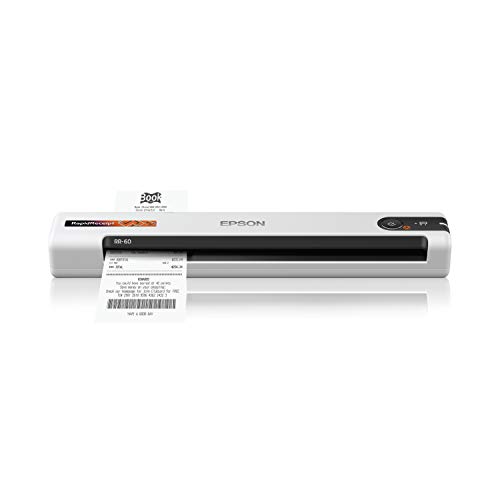
Epson RapidReceipt RR-60 Mobile Tax Receipt and Color Document Scanner with Complimentary Data Management Software for PC & Mac
ScanSmart AI PRO Technology — Intelligently convert and extract scanned information into smart digital data – making your…
As an affiliate, we earn on qualifying purchases.
As an affiliate, we earn on qualifying purchases.

128GB Digital Voice Recorder with Playback Upgraded Voice Activated Recording with Premium Noise Reduction Dictaphone Device Perfect for Lectures Meetings Interviews
【Studio-Quality Audio】Advanced PCM Noise Cancellation captures clear audio. 1536kbps HD recording with omnidirectional stereo mic as if the…
As an affiliate, we earn on qualifying purchases.
As an affiliate, we earn on qualifying purchases.