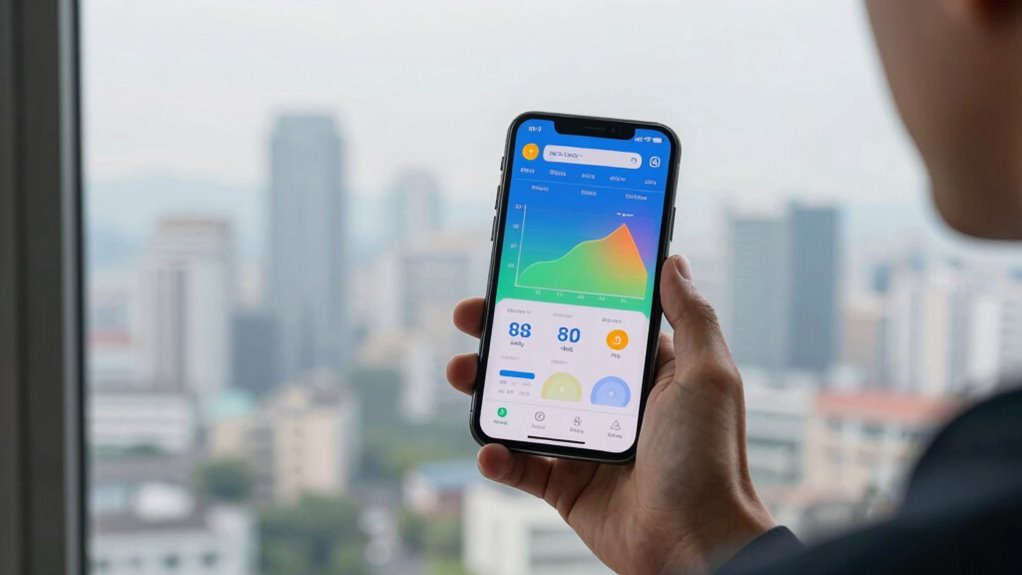

To use air quality data without becoming obsessed, set simple routines, like checking once or twice daily, and focus on overall trends instead of small fluctuations. Use the data to make practical changes, such as increasing ventilation or switching cleaning products if pollution rises. Remember, natural fluctuations are normal. Stay calm and avoid stressing over every spike. If you keep these tips in mind, you’ll find it easier to manage your indoor air quality gracefully and effectively.

Turn your wind-down time into listening time
- Thousands of audiobooks, podcasts and originals
- Listen on your phone, tablet or Echo — also offline
- Cancel anytime
Key Takeaways
- Check air quality data once or twice daily to stay informed without constant monitoring.
- Focus on long-term trends rather than reacting to every short-term fluctuation.
- Use data as a guide for manageable improvements, like increasing ventilation or switching cleaning products.
- Remember natural daily variations and avoid stressing over minor changes.
- Maintain a balanced perspective, prioritizing overall health over perfect air quality metrics.
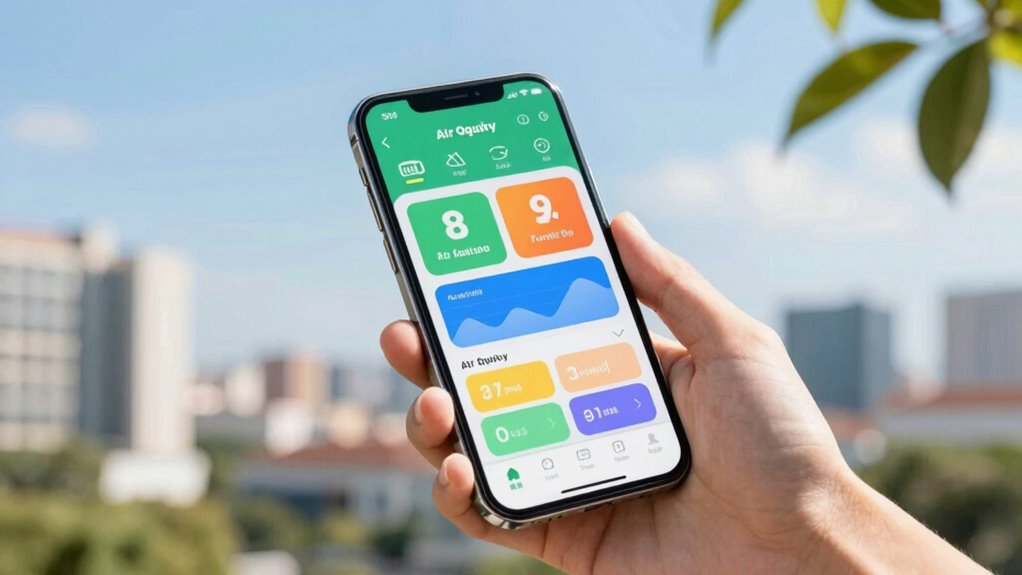
Have you ever wondered how to make better decisions about your health and daily activities based on air quality? It’s a smart question, especially as more people become aware of how indoor pollution can impact well-being. Indoor pollution often comes from sources like cleaning products, cooking fumes, mold, and even certain furniture. Fortunately, you can use air quality sensors to keep track of these pollutants. These devices provide real-time data about the air you breathe indoors, helping you identify when conditions are unsafe or improving. But it’s important to remember that monitoring air quality isn’t about obsession; it’s about informed awareness.
Using air quality sensors helps you make informed, balanced decisions about your indoor environment and well-being.
When you check your air quality sensors regularly, you gain insights into your environment. You’ll notice patterns—perhaps your home’s air quality dips when you cook or clean, or after airing out the space. Use this information to make small adjustments, like opening windows during cooking or using air purifiers in high-pollution areas. These decisions help improve indoor air, reducing exposure to pollutants without causing unnecessary stress. The goal is to stay aware, not fixate. After all, constant worry over every fluctuation can lead to anxiety rather than healthier habits.
It’s crucial to interpret air quality data wisely. A spike in particulate matter or volatile organic compounds (VOCs) doesn’t mean you need to overhaul your entire lifestyle. Instead, see it as a prompt to ventilate or change cleaning routines. Over-monitoring can lead to unnecessary concern, so set a routine for checking your sensors—perhaps once or twice a day. Focus on trends over time rather than obsessing over single readings. Remember, air quality naturally varies throughout the day, influenced by activities, weather, and even outdoor conditions. Understanding indoor pollution sources can help you better address potential issues. Recognizing how indoor pollution levels fluctuate can guide your decisions for a healthier environment. Being aware of indoor pollution helps you develop smarter habits and avoid unnecessary stress. Additionally, understanding the sources of indoor pollutants can empower you to make targeted changes for better air quality.
By keeping these factors in mind, you can develop a more balanced approach to air quality that promotes well-being without creating anxiety. Use your data to inform practical, manageable steps. For instance, if your sensors detect high levels of indoor pollution during certain times, you can increase ventilation, switch to less polluting products, or improve humidity control to prevent mold growth. These actions help create a healthier environment without making your life all about air quality metrics. It’s about balance—using data as a tool, not a source of constant worry.
In the end, the key is to stay informed but not overwhelmed. Air quality sensors are there to empower you, helping you make smarter choices about your health and daily routines. When you understand what your indoor environment needs, you can take effective steps to improve it. Just remember, awareness is a tool for better living, not an excuse for stress. Use your data wisely, keep a calm perspective, and breathe easier knowing you’re making informed decisions.
As an affiliate, we earn on qualifying purchases.
Frequently Asked Questions
Can I Rely Solely on Air Quality Apps for Health Decisions?
You shouldn’t rely solely on air quality apps for health decisions, especially considering indoor pollution and personal sensitivity. Apps provide helpful real-time data, but they might not fully capture your indoor environment or individual reactions. Pay attention to how you feel, and consider using additional tools like air purifiers or testing indoor air quality. Always consult health professionals if you notice symptoms linked to air quality issues.
How Often Should I Check Air Quality Data Daily?
You shouldn’t check air quality data constantly, as it can lead to unnecessary stress. Instead, check air quality sensors a few times a day—morning, midday, and evening—to get a reliable sense of the data accuracy. This frequency helps you stay informed without obsessing, allowing you to make healthy decisions based on consistent patterns rather than fleeting fluctuations. Trust your sensors and avoid over-monitoring.
Does Air Quality Vary Significantly Within My Local Area?
Yes, air quality can vary substantially within your local area due to indoor pollution and traffic impact. You might notice worse air quality near busy roads or poorly ventilated indoor spaces. These fluctuations mean you should check data regularly but not obsessively. Focus on understanding patterns, such as higher pollution during rush hours or in certain rooms, so you can take targeted actions to improve your indoor environment and reduce exposure.
Are There Seasonal Changes Affecting Air Quality Readings?
You’ll notice that air quality often drops by about 20% during winter months due to seasonal fluctuations. These changes highlight indoor-outdoor differences, as colder weather keeps you inside more, trapping pollutants. In summer, outdoor air tends to improve, but indoor pollution can rise with activities like grilling or using air conditioning. Staying aware of these seasonal shifts helps you make smarter decisions without obsessing over daily fluctuations.
How Do Weather Conditions Influence Air Quality Measurements?
Weather conditions, like wind, temperature, and humidity, directly influence air quality measurements by dispersing or trapping pollution sources. For example, strong winds can clear pollutants, reducing their concentration, while calm, hot, and humid days can cause pollutants to accumulate, worsening air quality readings. Meteorological factors play an essential role in how pollution sources impact air quality, so understanding weather patterns helps you interpret data accurately without becoming overly concerned.
As an affiliate, we earn on qualifying purchases.
Conclusion
Using air quality data wisely can keep you informed without overwhelming you. Remember, the World Health Organization reports that air pollution causes around 7 million premature deaths worldwide each year. Stay aware of the air quality index, but don’t let it dominate your life. Use the data as a helpful tool to protect your health, not as a source of constant worry. Balance is key—stay informed, but also enjoy your outdoor moments safely.
As an affiliate, we earn on qualifying purchases.
As an affiliate, we earn on qualifying purchases.
Fall Picks
fall essentials
As an affiliate, we earn on qualifying purchases.