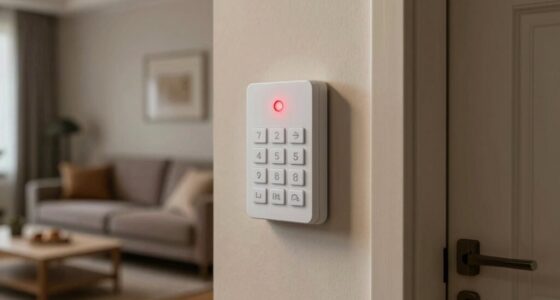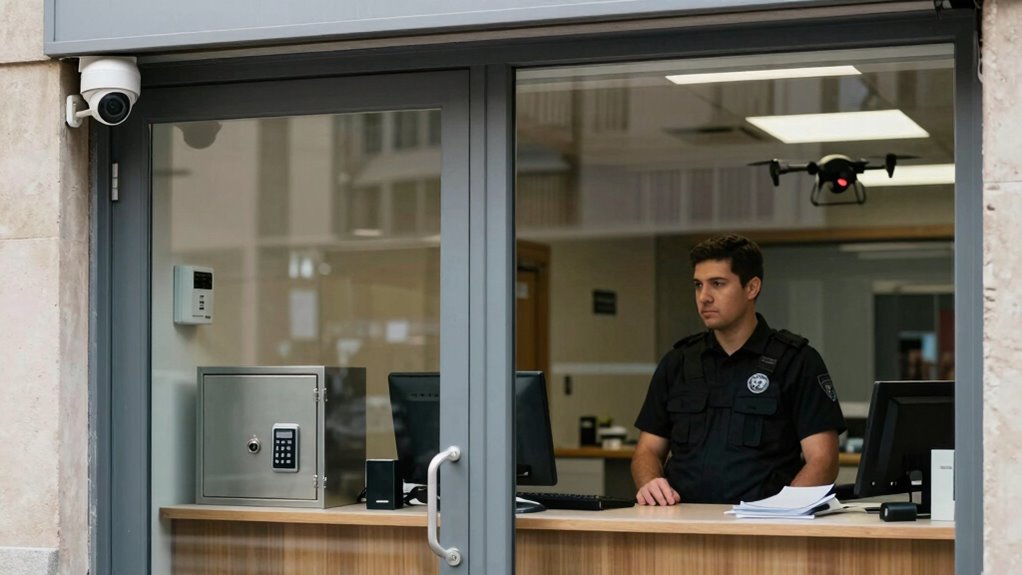

Convenience security emphasizes making access easy through simple passwords or quick methods, but this can lower your protection and make it easier for intruders. Actual security prioritizes safeguarding assets with strong measures like multi-factor authentication, role-based access, and threat detection. While convenience may seem appealing, it often compromises safety. Striking the right balance is key, and the more you understand about securing your assets effectively, the better equipped you’ll be to protect yourself against threats.
Key Takeaways
- Convenience security prioritizes easy access, often at the expense of stronger protective measures.
- Actual security involves rigorous protocols, multi-factor authentication, and continuous threat monitoring.
- Convenience methods may reduce friction but can create vulnerabilities exploitable by attackers.
- Genuine security balances user access needs with comprehensive threat detection and risk mitigation.
- Effective security adapts over time with updates, assessments, and threat intelligence to counter evolving threats.
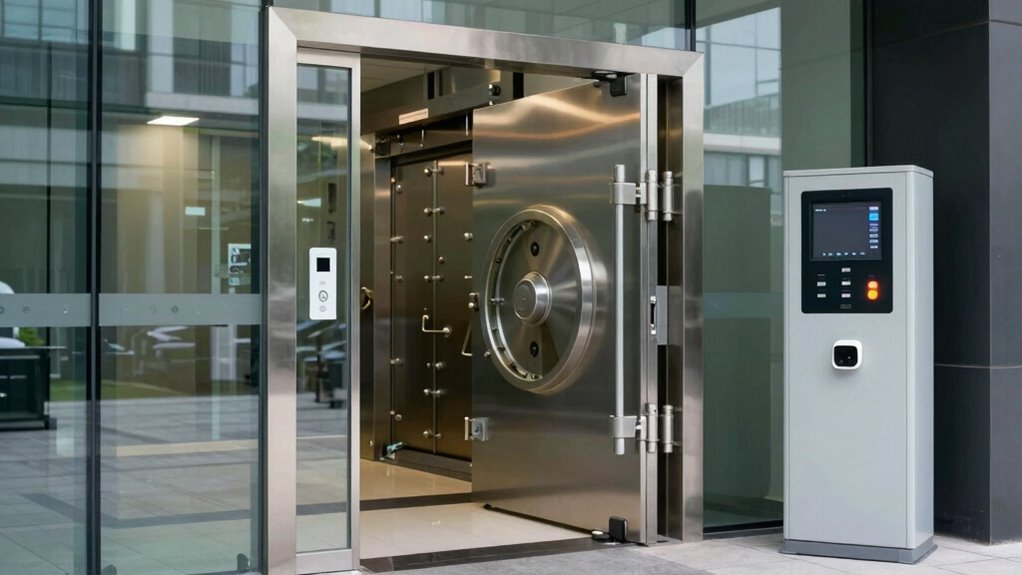
Security often feels like a balancing act between convenience and protection, but understanding the difference is essential. When you prioritize convenience, you might lean toward quick access methods like simple passwords or minimal authentication steps. While these choices make your daily routines easier, they can also weaken your security, making it easier for intruders to breach your defenses. On the other hand, actual security involves robust access control systems, multi-factor authentication, and thorough threat detection strategies. These measures might add some friction to your access process but greatly bolster your defenses against potential threats.
Access control is a critical component of true security. It ensures that only authorized individuals can reach sensitive information or critical systems. When you implement strict access controls, you’re defining who gets in, when, and under what circumstances. This might mean using biometric verification, security tokens, or role-based permissions. While these measures might seem inconvenient at first, they dramatically reduce the risk of unauthorized access. True security isn’t just about keeping people out; it’s about making sure the right people have access while the wrong ones don’t. It’s a way to create layers of protection that work together to safeguard your assets. Incorporating access control systems can be complex initially, but they are essential for maintaining a secure environment. An understanding of security protocols helps reinforce these measures and adapt to emerging threats. Regularly updating and refining these protocols ensures that your security measures stay effective against evolving attack methods. Additionally, establishing security awareness among users is crucial to prevent social engineering attacks and human error.
Threat detection is equally important in establishing genuine security. It involves continuously monitoring your systems for signs of malicious activity or vulnerabilities. Instead of relying solely on reactive measures, threat detection tools proactively identify suspicious behavior, allowing you to respond before any real damage occurs. This could include intrusion detection systems, anomaly detection algorithms, and real-time alerts. When you integrate threat detection into your security framework, you’re not just reacting to breaches—you’re actively preventing them. This level of vigilance is what separates superficial security measures from true security. Incorporating cybersecurity measures like vulnerability assessments further enhances your ability to defend against evolving threats. Regular audits and updates are vital to adapt to new attack vectors and ensure your defenses are current. Employing threat intelligence can provide insights into emerging threats, enabling more proactive defenses and reducing response times.

Yubico – YubiKey 5C NFC – Multi-Factor authentication (MFA) Security Key and passkey, Connect via USB-C or NFC, FIDO Certified – Protect Your Online Accounts
- Security Type: Multi-Factor Authentication (MFA)
- Compatibility: Works with 1000+ accounts
- Connection Options: USB-C and NFC
As an affiliate, we earn on qualifying purchases.
As an affiliate, we earn on qualifying purchases.
Frequently Asked Questions
How Can Businesses Balance Convenience and Security Effectively?
You can balance convenience and security by implementing security layering, which provides multiple safeguard levels without burdening users. Prioritize user education, making sure everyone understands best practices and potential risks. Streamline authentication methods, like biometric options, to maintain ease of access. Regularly review and update security policies to adapt to new threats, ensuring your systems stay secure while offering a user-friendly experience.
What Are Common Signs of Superficial Security Measures?
You’ll notice superficial safeguards often show up as minimal protections, like weak passwords or simple access controls. Common signs include outdated software, lack of encryption, or inconsistent security policies. If security measures are easily bypassed or don’t cover all critical areas, it indicates superficial safeguards. These minimal protections give a false sense of security, leaving your business vulnerable. Regular audits and upgrades are essential to identify and replace superficial security practices.
How Does User Behavior Impact Security Effectiveness?
Think of your security like a garden; if you’re complacent, weeds take over. Your user behavior directly impacts security effectiveness—lax attitudes or risky actions, like sharing passwords, heighten vulnerabilities. Risk perception influences your vigilance; if you underestimate threats, you’re more likely to bypass security measures. Staying alert, practicing good habits, and understanding threats keep your digital garden secure, preventing small oversights from blossoming into major breaches.
Are There Industry-Specific Security Standards to Consider?
Yes, you need to take into account industry-specific security standards and regulatory compliance. Different sectors like healthcare, finance, and retail have unique security requirements to protect sensitive data and ensure legal adherence. Staying updated with industry standards, such as HIPAA or PCI DSS, helps you implement appropriate security measures. By aligning your practices with these standards, you reduce risks, avoid penalties, and build trust with clients and partners.
What Are the Long-Term Costs of Convenience Security?
Think of convenience security as a quick fix that might seem simple but can be a ticking time bomb. The long-term costs include hidden expenses like increased vulnerability to breaches, higher recovery costs, and potential damage to reputation. You’re trading off short-term ease for bigger risks down the road. These hidden costs often outweigh initial convenience, making it essential to weigh trade-offs carefully before sacrificing robust security measures.

Biometric Access Control System with Fingerprint, Keypad, RFID, Infrared Exit Button, 1200lb Magnetic Lock, LCD Display, USB Download, Attendance Tracking, Timed Unlock,for Office, Store, Home
- Multi-Method Access: Fingerprint, keypad, RFID, infrared button
- Attendance Tracking: Automatic user access time and date logs
- High Security Lock: 1200lb magnetic lock for secure access
As an affiliate, we earn on qualifying purchases.
As an affiliate, we earn on qualifying purchases.
Conclusion
In your quest for safety, remember that convenience security is like a siren’s song—easy and tempting but often misleading. True security requires more than just a quick fix; it demands vigilance and effort, like tending a delicate garden. Don’t let the allure of convenience lull you into complacency. Instead, strike a balance, ensuring your security measures are both practical and resilient, so your defenses stand tall against the storms of real threats.
intrusion detection system software
As an affiliate, we earn on qualifying purchases.
As an affiliate, we earn on qualifying purchases.
security token for access control
As an affiliate, we earn on qualifying purchases.
As an affiliate, we earn on qualifying purchases.