

When someone says “just kidding,” listen carefully to see if their humor feels genuine or masks discomfort. If it crosses your boundaries, respond politely but firmly, like, “That wasn’t funny to me,” or ask if they’re truly joking. Trust your instincts—if you sense tension or hurt feelings, gently explore their intentions or pause to assess the situation. Continuing to explore these cues helps you navigate humor respectfully and keep conversations healthy. Keep going to learn how to handle these moments effectively.
Key Takeaways
- Assess your comfort level and decide whether to respond humorously or seriously.
- Acknowledge the joke with a light comment like “Nice try” if appropriate.
- If discomfort arises, gently clarify by asking, “Are you really joking, or is there something else?”
- Set boundaries politely but firmly if the joke crosses personal or humor limits.
- Consider the context and relationship to determine if joining in or maintaining seriousness is best.

Joking comments can catch you off guard, but how you respond can influence the tone of the conversation and your relationships. When someone says “just kidding,” it’s often a way to soften a joke or test your reaction. However, it can also be a signal that the comment crossed a humor boundary or that your sincerity cues are misaligned. Recognizing these cues is key to steering through such moments effectively. If you feel uncomfortable or unsure whether the joke was appropriate, it’s okay to pause and assess the situation. Your response sets the tone—whether you choose to laugh along or address the comment directly.
Understanding humor boundaries is essential here. Not everyone shares the same sense of humor, and what’s funny to one person may be hurtful or offensive to another. When you hear a joke that pushes your limits, it’s important to respond in a way that respects your boundaries without escalating tension. If the joke crosses a line, you might say something like, “That wasn’t really funny to me,” or “I don’t find that joke amusing.” These responses communicate your boundaries clearly without being confrontational. Conversely, if you’re comfortable with the humor but want to acknowledge it, a simple smile or a light comment like, “Nice try,” can work well.
Sincerity cues are equally important. Sometimes, a “just kidding” is used to mask genuine feelings or discomfort. If you sense that the joke was a way to cover up something more serious, it’s wise to listen for sincerity cues. Are they genuinely joking, or are they trying to deflect? Your response can then be tailored to either defuse the tension or explore the underlying issue. For example, if you suspect insincerity, you might gently ask, “Are you really joking, or is there something else you want to say?” This shows you’re attentive to their feelings and helps clarify intentions without dismissing their humor. Additionally, being aware of boundaries and cues can help you navigate these moments more effectively.
Ultimately, how you respond to “just kidding” comments depends on your comfort level and the context. Trust your instincts—if it feels appropriate, join in the humor; if not, set boundaries politely but firmly. Remember, your reactions influence the ongoing dynamic, so balance humor boundaries with sincerity cues to maintain respectful and genuine interactions. Being mindful of both allows you to steer through joking comments smoothly, preserving relationships while honoring your feelings and limits.
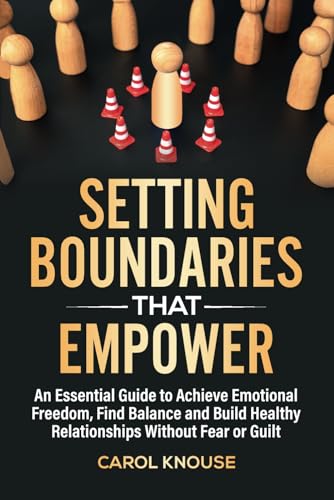
Setting Boundaries That Empower: An Essential Guide to Achieve Emotional Freedom, Find Balance and Build Healthy Relationships Without Fear or Guilt
As an affiliate, we earn on qualifying purchases.
As an affiliate, we earn on qualifying purchases.
Frequently Asked Questions
How Can I Tell if a Joke Is Truly Meant in Fun?
You can tell if a joke is truly meant in fun by evaluating the tone and humor context. Pay attention to the speaker’s facial expressions, body language, and voice to gauge their intention. If their tone feels light-hearted and inclusive, it’s likely meant as a joke. Remember, genuine humor fosters connection, so trust your instincts and consider the overall atmosphere before reacting.
What Are Effective Ways to Set Boundaries After Joking Comments?
Setting boundaries after joking comments is like drawing a clear line in the sand. You should confidently communicate your humor boundaries, letting others know what’s acceptable. Use “I” statements to express how certain jokes make you feel, and stay consistent. If a joke crosses your line, politely but firmly say, “That’s where I draw the line,” reinforcing your humor boundaries without escalating.
How Do I Respond if I Feel Offended by a Joke?
If a joke offends you, calmly express your feelings and set clear boundary enforcement. Let the person know that the joke crossed a line and hurt you. Use your emotional resilience to stay composed and avoid escalation. Remember, it’s okay to prioritize your feelings and ask for respect. By addressing the issue directly, you help create a healthier environment where boundaries are understood and maintained.
Can Joking Comments Impact Professional Relationships?
Joking comments can considerably impact your professional relationships, especially if they cross workplace humor boundaries. When humor is appropriate, it can foster camaraderie. But if jokes are offensive or misinterpreted, they might damage trust and respect. Always gauge your audience and maintain professionalism. Respecting boundaries helps build a positive environment, ensuring humor enhances, rather than hinders, your workplace relationships.
What Are Some Non-Verbal Cues to Interpret Joke Intentions?
You can interpret joke intentions through facial expressions and body language. A genuine smile or a lighthearted laugh often signals a friendly joke, while furrowed brows or tense posture might indicate discomfort or sarcasm. Pay attention to relaxed gestures and open stances, which suggest playful intent. Conversely, crossed arms or avoiding eye contact could mean the joke missed the mark or caused offense. Observing these cues helps you gauge how your humor is received.
Best Public Safety Teacher Mug – Educator Coffee Cup – Classroom Leader Funny Gift From Colleagues – Emergency Response Tea Mugs – Training Cups – 11 Oz Ceramic Gifts For Instructors, Birthday, Him
BUILT TO LAST – Crafted for durability, our mugs withstand the test of time. Available in 11oz (3.15"…
As an affiliate, we earn on qualifying purchases.
As an affiliate, we earn on qualifying purchases.
Conclusion
So, next time someone throws a “just kidding” your way, remember, your response can change everything. Will you brush it off or confront it with confidence? The choice is yours, and the way you react might just surprise everyone—including yourself. Don’t underestimate the power of your reply. Sometimes, the smallest words hold the biggest weight. Are you ready to face the next joke head-on and see where your response takes you? The moment awaits.

Couples Conflict Resolution Workbook: Stop Fighting. Communicate Better. Solve Problems as a Team. (Relationship Skills Series)
As an affiliate, we earn on qualifying purchases.
As an affiliate, we earn on qualifying purchases.

The Art of Everyday Assertiveness: Speak Up. Say No. Set Boundaries. Take Back Control.
As an affiliate, we earn on qualifying purchases.
As an affiliate, we earn on qualifying purchases.