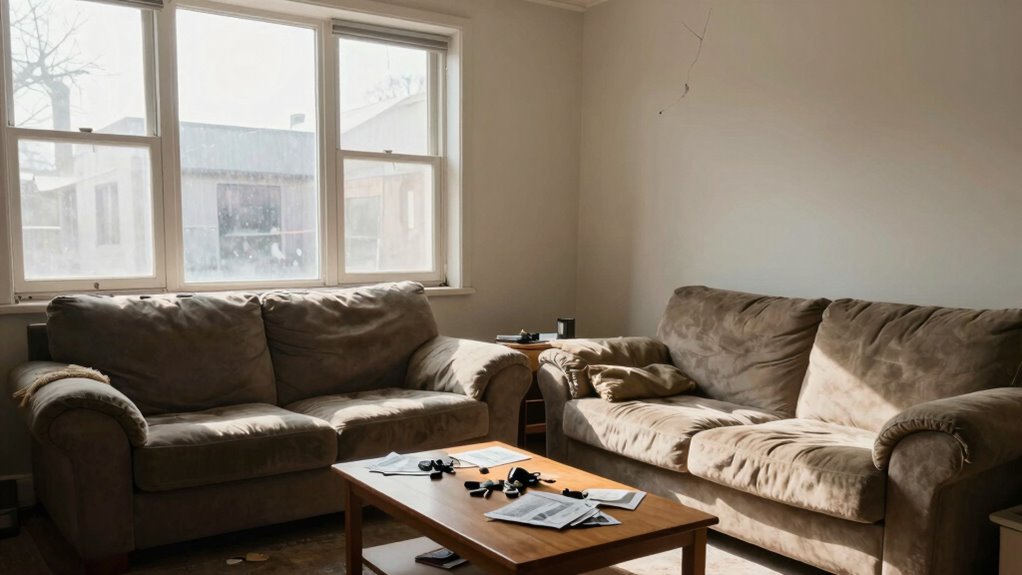

If something feels off in your rental space, act quickly to protect your safety and belongings. Immediately note any strange odors, noises, or signs of damage, and report them clearly to your landlord or property manager through written communication. Take steps to safeguard your belongings, such as turning off utilities if needed. Stay calm, organized, and follow proper procedures. Keep documentation of all reports and responses—more tips will help you handle the situation confidently.
Key Takeaways
- Immediately note and document any strange odors, noises, or damage, providing detailed descriptions.
- Report concerns promptly to your landlord or property manager through written communication.
- Take safety precautions, such as turning off utilities or leaving the space if necessary.
- Understand your tenant rights and escalate issues to authorities if the landlord is unresponsive.
- Stay calm, organized, and follow proper procedures to ensure effective resolution and safety.
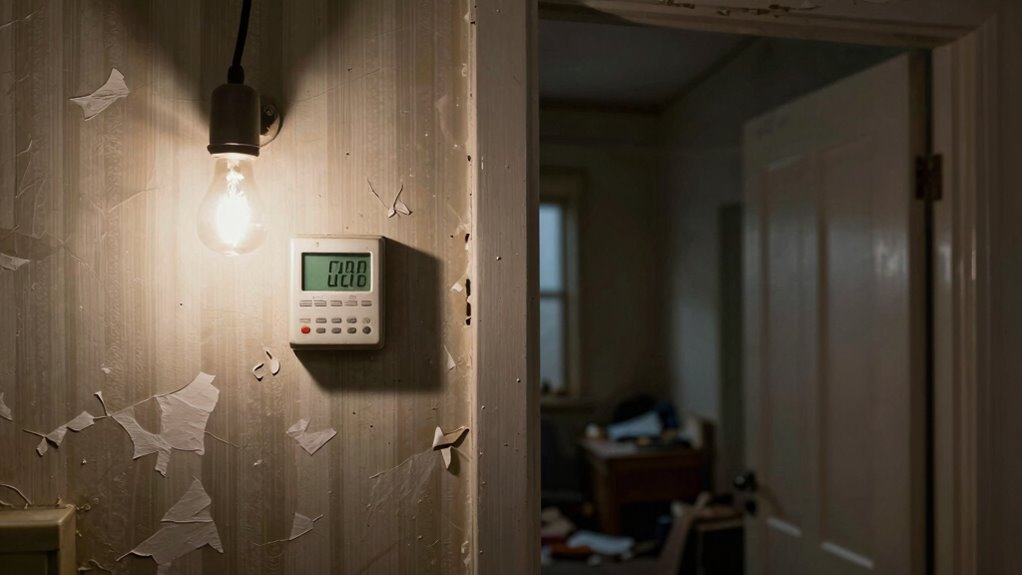
Renting a space can sometimes bring unexpected discomfort or concerns, and knowing how to respond quickly can make all the difference. When something feels off—whether it’s strange odors, unusual noises, or signs of damage—your first step is to prioritize clear tenant communication. Reach out to your landlord or property manager promptly, outlining your observations with specific details. This helps them understand the issue clearly and accelerates the process of addressing it.
Being proactive in your tenant communication is vital. Instead of waiting or ignoring small problems, report them as soon as they arise. Use email, phone calls, or tenant portals if available, and document your reports. Keep a record of your messages, including dates and descriptions of the problem. This documentation can serve as proof if the issue escalates or if disputes arise later.
Once you’ve alerted your landlord, ask about maintenance procedures. Many rental agreements specify how maintenance requests should be made and the expected response time. Understanding these procedures ensures you know what to expect and helps you follow the proper channels. If your landlord provides a maintenance request form or portal, use it consistently. If not, communicate in writing to create a paper trail. Be clear about the urgency—if the issue affects safety, health, or property integrity, emphasize that in your communication.
While waiting for a response, take reasonable steps to protect yourself and your belongings. For example, if there’s a leak, place buckets to catch water. If you smell gas or notice electrical issues, turn off the power and leave the space if necessary. However, avoid attempting repairs beyond your skill level. Instead, specify in your communication that professional intervention is needed, and request a timeline for repairs.
If your landlord is slow or unresponsive, familiarize yourself with local tenant rights and regulations. Many jurisdictions require landlords to address certain issues within a specific timeframe. If they don’t respond, you might need to escalate the matter by contacting local housing authorities or tenant advocacy groups. Additionally, understanding tenant rights and responsibilities can empower you to take appropriate action. Throughout this process, continue documenting your efforts and any communication with your landlord.
Ultimately, staying calm, clear, and organized is key. Addressing concerns promptly and following proper procedures helps ensure problems are resolved efficiently. Remember, your safety and comfort matter, and effective communication combined with understanding maintenance procedures can help you navigate issues in your rental space confidently.
rental property damage report form
As an affiliate, we earn on qualifying purchases.
As an affiliate, we earn on qualifying purchases.
Frequently Asked Questions
Can I Refuse to Pay Rent if I Notice Issues?
You generally can’t refuse to pay rent if you notice issues, but you should communicate with your landlord first. Focus on rent negotiation by discussing repairs or resolving concerns. Remember, tenant responsibilities include maintaining the property and reporting problems promptly. If issues remain unresolved, consult local tenant laws before withholding rent, as doing so without legal grounds might lead to eviction or penalties. Always document your communications for future reference.
Who Should I Contact First About Suspected Problems?
You should contact your landlord first about suspected problems. It’s ironic, isn’t it? You pay for maintenance delays, yet they often drag their feet. Landlord responsibilities include addressing repairs promptly, so don’t hesitate to reach out as soon as you notice issues. Keep a record of your communication, and if delays continue, you might consider exploring your rights. Being proactive guarantees your concerns get the attention they deserve.
How Long Do I Have to Report Concerns?
You should report concerns as soon as you notice them, ideally within a few days. Prompt reporting helps prevent maintenance delays and stops issues from escalating into lease violations. Contact your landlord or property manager immediately through written communication, like email or a maintenance portal, to create a record. The sooner you act, the easier it is to resolve problems quickly and avoid potential lease violations.
What Legal Rights Do Tenants Have in These Situations?
Think of your legal rights like a shield. Landlord obligations require landlords to maintain safe, habitable spaces, and tenants have remedies if these aren’t met. You can request repairs, withhold rent in some cases, or seek legal action. Knowing your rights empowers you to act confidently. If your landlord ignores these obligations, you have the right to pursue remedies through local housing authorities or the courts.
Should I Record or Document What Feels Off?
You should document what feels off by keeping detailed maintenance logs and taking photos or videos. This evidence can support your concerns if needed later. Be mindful of privacy concerns; avoid recording personal areas or conversations without permission. Staying organized and discreet helps safeguard your rights and ensures you have a clear record of issues, making it easier to communicate with your landlord or take further action if necessary.
As an affiliate, we earn on qualifying purchases.
Conclusion
When something feels off, trust your instincts like a lighthouse guiding you through foggy waters. Pay attention to that nagging feeling, and don’t ignore it—your safety and comfort are worth more than a rented space that doesn’t feel right. Imagine the space as a garden; if the plants seem wilted or the soil feels off, it’s a sign to dig deeper. Act promptly, and you’ll steer toward a safe, cozy haven instead of getting lost in shadows.
As an affiliate, we earn on qualifying purchases.
professional leak detection tools
As an affiliate, we earn on qualifying purchases.
As an affiliate, we earn on qualifying purchases.