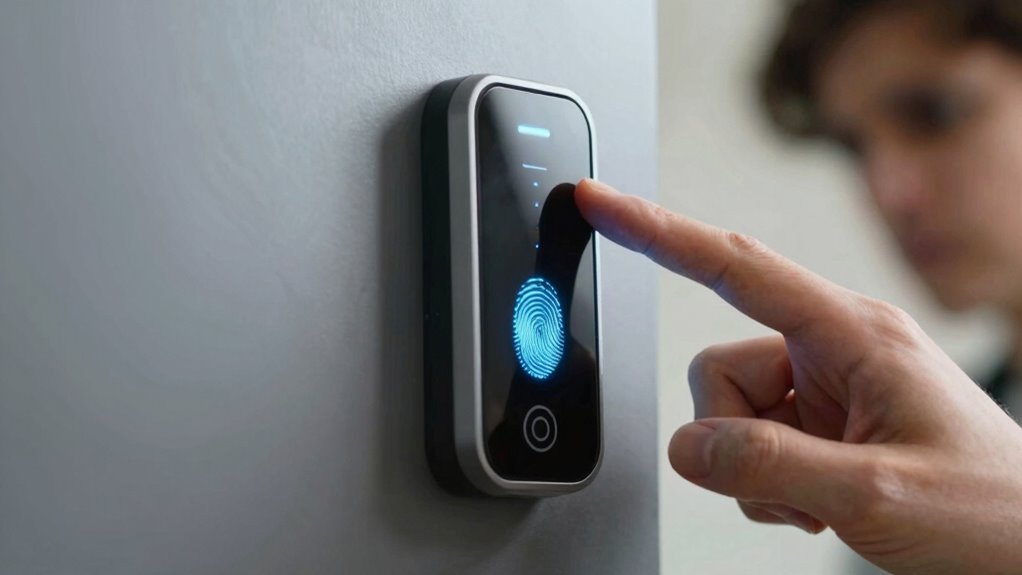

Biometric access seems straightforward until stress kicks in. When you’re tense or anxious, facial expressions shift, muscles tense, and lighting or head position change, confusing recognition systems. Physical symptoms like sweaty hands or swelling also disrupt fingerprint scans. These stress-related fluctuations increase the chances of access failure and frustration. Being aware of these challenges helps you prepare, stay calm, and improve success chances. Keep exploring to discover ways to overcome these biometric hurdles during high-pressure moments.

Get self-care and calm essentials delivered free — and shop member deals
- Fast, free delivery on millions of items
- Access to Prime Big Deal Days deals on October 6–7
- Prime Video, Amazon Music and more included
Key Takeaways
- Stress induces facial and physical changes that can confuse biometric recognition systems, reducing accuracy.
- Tensed muscles, sweating, or shaky hands during stress impair fingerprint and facial scans.
- External factors like lighting and appearance fluctuations under stress further hinder reliable access.
- Allowing extra time and ensuring clean, calm biometric samples improve success rates in stressful situations.
- Awareness of stress-related variability helps users and systems adapt for more reliable biometric authentication.
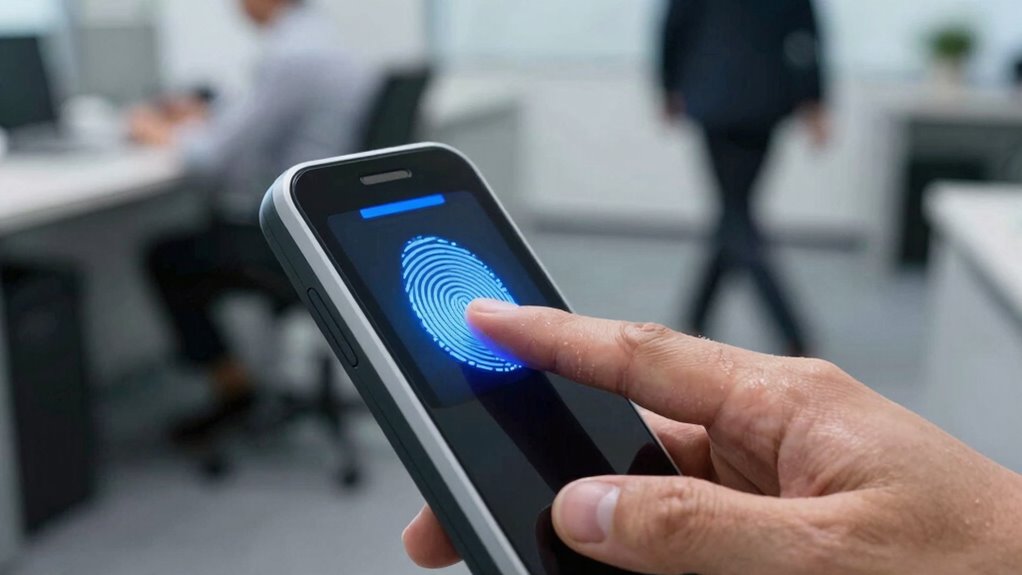
Biometric access systems, such as fingerprint scanners and facial recognition, are increasingly common in workplaces and secure areas. They promise quick, contactless security, making access seamless and efficient. You might think that verifying your identity with a quick glance or a fingerprint scan is straightforward, especially when everything seems to work flawlessly in controlled environments. But when stress levels rise—whether from tight deadlines, high-stakes situations, or personal anxiety—these systems can become unexpectedly unreliable. Stress impacts your physical and mental state, and that, in turn, can interfere with biometric authentication.
For facial recognition, stress can cause subtle changes in your appearance that the system might not recognize. When you’re anxious or under pressure, your facial muscles tense, and your expression may shift slightly, confusing the software. Even a slight tilt of your head or a change in lighting—more likely when you’re stressed—can prevent the system from correctly identifying you. The technology relies on consistent facial features, but stress-induced movements or fatigue can distort these features enough to cause false rejections, leaving you locked out when you need immediate access. Recognizing how physical changes affect biometric systems can help in understanding their limitations. Additionally, emotional stress can sometimes lead to inconsistent facial expressions, further complicating recognition. External factors like lighting variations also play a significant role in recognition accuracy, especially under stressful circumstances. Moreover, fluctuations in your physical state due to stress can sometimes affect the system’s ability to function properly.
Fingerprint scanning is similarly affected by stress. When you’re tense or hurried, your hands might be sweaty or shaky, making it harder for the scanner to produce an accurate reading. This can lead to multiple failed attempts, which only heighten your frustration and anxiety. Repeated failures can make you feel more stressed, creating a vicious cycle where your physical state hampers the biometric system’s ability to authenticate you. Additionally, if your hands are dirty or greasy—common if you’re in a rush or under stress—this further hampers fingerprint recognition.
In high-stress situations, you might also experience minor physical changes—such as swelling or dryness—that alter your fingerprint ridges or facial features enough to cause authentication issues. These changes are often temporary but can be enough to disrupt the recognition process. The more anxious or rushed you are, the more likely your natural physical state deviates from the conditions under which the system was calibrated. Stress-related physical changes can temporarily impair biometric recognition, adding another layer of difficulty during critical moments. Being aware of these potential issues can assist in troubleshooting or preventing access problems. Recognizing physical variability as a factor can help in adopting better strategies for biometric authentication under pressure. It’s helpful to understand that these physical fluctuations are common and often temporary, so patience and preparation can improve success rates.
While biometric systems are designed for reliability, they aren’t infallible, especially when stress takes hold. Understanding how stress impacts facial recognition and fingerprint scanning can help you prepare better—perhaps by allowing extra time or ensuring your hands and face are clean and calm before attempting access. Recognizing these vulnerabilities can make you more patient and less frustrated when technology doesn’t perform perfectly under pressure.
biometric fingerprint scanner with anti-slip grip
As an affiliate, we earn on qualifying purchases.
As an affiliate, we earn on qualifying purchases.
Frequently Asked Questions
How Do Biometric Systems Differentiate Between Similar Fingerprints?
You might wonder how biometric systems tell apart similar fingerprints. They analyze unique fingerprint anomalies, like tiny ridge endings and pores, to distinguish individuals. Sensor calibration guarantees accuracy by adjusting for environmental factors or finger conditions, reducing errors. Even with similar patterns, these subtle differences help the system identify you reliably, though stress or sweat can sometimes challenge this process. Proper calibration and detailed analysis keep the system effective.
What Are the Privacy Concerns Related to Biometric Data?
You might be surprised to learn that 81% of consumers worry about biometric data privacy. Your main concerns include data encryption, which protects your info from breaches, and user consent, ensuring you’re aware of how your data is used. Without proper safeguards, your biometric data could be vulnerable to hacking or misuse. Always verify that companies prioritize encryption and obtain clear user consent before collecting your sensitive biometric information.
Can Stress Affect the Accuracy of Facial Recognition?
Stress impacts facial features, making recognition challenges more likely. When you’re stressed, muscles tense and expressions change, which can confuse facial recognition systems. These systems rely on consistent facial landmarks, and stress can distort these landmarks, reducing accuracy. So, yes, stress can affect the accuracy of facial recognition, especially if the system isn’t designed to account for emotional or physical changes, potentially leading to misidentification or access issues.
Are There Biometric Methods Unaffected by Emotional States?
You might think all biometric methods are affected by emotional states, but some, like iris recognition and fingerprint scanning, are less influenced by stress or emotional resilience. These methods rely on physical traits that remain stable despite emotional fluctuations. While no system is completely immune, choosing biometric techniques with high stress tolerance minimizes errors caused by emotional variability, ensuring more reliable access even during stressful moments.
How Quickly Can Biometric Access Systems Adapt to Stressed Users?
Biometric access systems can adapt to stressed users within seconds, but your user patience plays a big role. Advanced systems use real-time analysis to distinguish stress-induced changes from authentic biometric traits, improving system reliability. However, if stress levels fluctuate rapidly, slight delays might occur. Overall, most modern systems are designed to quickly accommodate stress, ensuring smooth, reliable access without compromising security or user experience.
facial recognition security camera
As an affiliate, we earn on qualifying purchases.
As an affiliate, we earn on qualifying purchases.
Conclusion
When stress hits, biometric access can feel like trying to open a door with a frozen key—suddenly, everything becomes trickier. Your fingerprint might refuse to cooperate, or your face might not register in the chaos. It’s a reminder that even the most seamless systems aren’t immune to human moments. So, next time stress throws a wrench in your access, remember: technology is a helpful guide, but it’s still human hands that hold the key.
As an affiliate, we earn on qualifying purchases.
As an affiliate, we earn on qualifying purchases.
Fall Picks
fall essentials
As an affiliate, we earn on qualifying purchases.