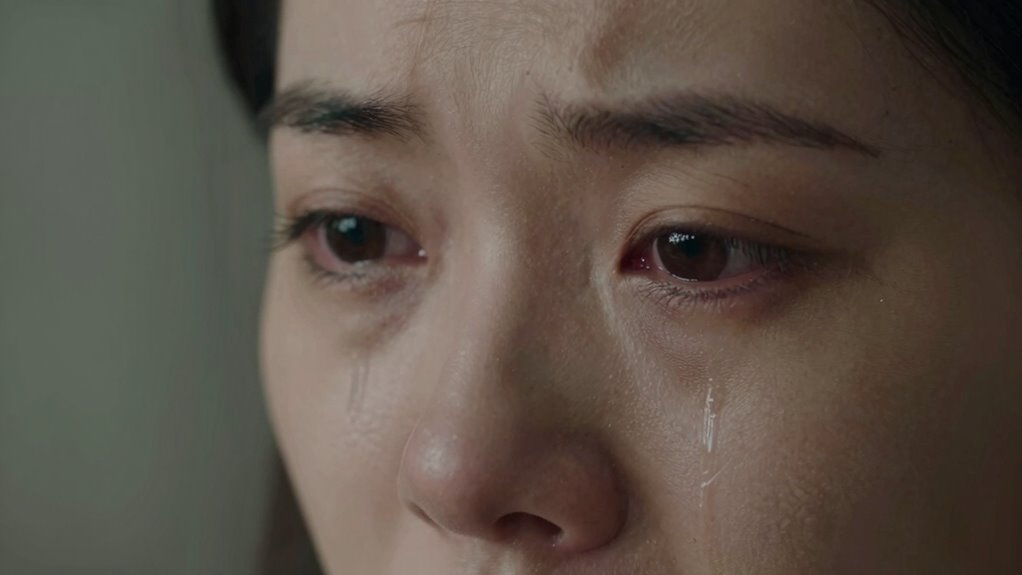

When support disappears suddenly, it triggers a deep emotional crash because you’ve tied your self-worth to external validation. This loss can cause feelings of rejection, confusion, and insecurity, making you question your value and trust in relationships. Relying heavily on others’ approval makes emotional setbacks feel overwhelming. Building inner resilience and self-compassion can help protect against this pain. If you keep exploring, you’ll discover ways to strengthen your internal validation and emotional stability.
Key Takeaways
- Validation withdrawal triggers emotional pain by undermining feelings of acceptance and trust, leading to rejection and confusion.
- Relying heavily on external approval amplifies the emotional impact when validation is lost.
- Loss of social validation threatens self-esteem and can cause self-doubt and feelings of worthlessness.
- Building internal self-worth and resilience helps buffer against the emotional distress caused by validation withdrawal.
- Cultivating self-compassion and internal validation reduces vulnerability to emotional crashes from external validation loss.

Validation withdrawal occurs when someone withdraws their support or acknowledgment after initially affirming it, often leading to feelings of rejection or confusion. When this happens, you might feel like the ground beneath you has shifted, leaving you questioning your worth or the sincerity of the relationship. It’s a sharp emotional blow because, at that moment, you’ve placed trust in their approval, only to find it suddenly pulled away. This kind of experience can shake your emotional resilience, making you doubt your value and intensify feelings of insecurity. You might wonder if you did something wrong or if you’re just not enough, which can spiral into a cycle of self-doubt.
Validation withdrawal can shake your confidence and make you question your worth and sincerity of relationships.
This kind of validation withdrawal is especially impactful because social influence plays a significant role in how you perceive yourself. When someone’s support is a form of social validation, losing it can feel like losing a part of your identity or sense of belonging. Social influence shapes your self-esteem, and when it’s suddenly withdrawn, it can make you question your social standing or acceptance. It’s natural to seek validation from others, as humans are inherently social beings, but relying too heavily on external approval leaves you vulnerable to these emotional crashes. The more you tie your self-worth to others’ opinions, the more devastating it feels when that validation disappears.
Understanding why validation withdrawal hurts so much requires recognizing the emotional impact of feeling rejected. It’s not just about the loss of support but also about the emotional vulnerability that comes with trusting someone’s affirmation. When that trust is broken, your emotional resilience is put to the test. You might try to brush it off or suppress your feelings, but the ache remains. This is where building emotional resilience becomes crucial. Developing a strong inner sense of worth helps you weather these emotional storms better, so you’re less dependent on external validation for your sense of self. Recognizing the importance of emotional resilience can empower you to cultivate a more stable self-image, even in the face of rejection. Strengthening your inner self-worth can act as a buffer against these emotional setbacks. Additionally, understanding the role of self-esteem in these situations can help you foster a healthier mindset and reduce the impact of validation withdrawal.
Furthermore, learning to cultivate self-compassion can help mitigate feelings of rejection and foster a kinder understanding of oneself during difficult times. In the context of AI safety, understanding the significance of validation is vital because it highlights how external inputs influence behavior and decision-making. Recognizing why validation withdrawal hurts so much can also be applied to understanding the importance of reliable validation processes in AI systems, ensuring they are robust and trustworthy. In essence, validation withdrawal exposes how much you’re influenced by social cues and how fragile your emotional resilience can be when faced with rejection. Recognizing this can help you detach your self-esteem from others’ fluctuating opinions and cultivate a more stable, internal sense of worth. By doing so, you’re less likely to be thrown off course when validation is withdrawn, and you can face these emotional setbacks with greater strength and clarity.
The Day I Stopped Reacting: Emotional Regulation for Adults To Manage Triggers, Strengthen Resilience, and Build Emotional Intelligence That Works in Real Life (The Rising Empaths)
As an affiliate, we earn on qualifying purchases.
As an affiliate, we earn on qualifying purchases.
Frequently Asked Questions
How Can I Recover From Validation Withdrawal Emotionally?
To recover from validation withdrawal emotionally, focus on building emotional resilience by acknowledging your feelings without judgment. Practice self-compassion, reminding yourself that everyone faces validation dips and it’s okay to feel hurt. Engage in activities that boost your confidence and reinforce your self-worth. Over time, these steps help you regain stability, allowing you to handle validation fluctuations more resiliently and with greater kindness toward yourself.
What Are the Signs That My Validation Is About to Be Withdrawn?
Did you know that 75% of people notice emotional cues before validation is withdrawn? You might see subtle signs like withdrawal, silence, or dismissive body language. To protect your emotional resilience, pay close attention to these cues. Use communication strategies like calmly asking for reassurance or expressing your feelings. Recognizing these signs early helps prevent hurt and allows you to respond before validation drops, maintaining healthier connections.
Does Validation Withdrawal Only Occur in Personal Relationships?
Validation withdrawal isn’t limited to personal relationships; it also happens with public figures and social media users. When followers unfollow or stop engaging, it can feel like a withdrawal of validation. You might notice decreased likes, comments, or support, which impacts your confidence. Whether in private or public spheres, validation withdrawal affects anyone seeking acknowledgment, making it clear that it’s a universal experience, not just limited to personal connections.
How Can I Prevent Validation Withdrawal in My Interactions?
To prevent validation withdrawal in your interactions, recognize your validation triggers and manage them proactively. Practice active listening and show genuine interest to foster trust. Building emotional resilience helps you handle validation setbacks without overreacting. When you sense validation might be withdrawn, communicate openly and empathetically to address concerns early. This approach creates a safe space, reducing the likelihood of validation withdrawal and strengthening your relationships overall.
Are Some People More Prone to Validation Withdrawal Than Others?
Yes, some people are more prone to validation withdrawal because they have lower self-esteem and emotional resilience. When their self-worth depends heavily on external validation, setbacks hit harder, making them more likely to withdraw emotionally. Building your self-esteem and emotional resilience helps you handle validation fluctuations better, reducing the risk of withdrawal. Strengthening these areas allows you to maintain confidence and stability, even when validation temporarily dips.

The Self-Compassion Journal: Prompts and Practices to Inspire Kindness in Your Thoughts, Emotions, and Actions
As an affiliate, we earn on qualifying purchases.
As an affiliate, we earn on qualifying purchases.
Conclusion
When validation slips away, it’s like losing a gentle guiding star in your night sky. Though the ache may feel profound, it’s simply a quiet reminder to look inward and nurture your own worth. Embrace the subtle art of self-acceptance, knowing that even in the shadows of doubt, your intrinsic light remains. With patience and kindness, you can gently rekindle your confidence, softly guiding yourself toward a brighter, more compassionate understanding of who you truly are.

WDphouly Affirmation Cards for Women, 120 Positive Affirmation Cards (6 Themes), Daily Affirmations for Inspiration, Mindfulness & Self Care, Uplifting Gift for Women
POWERFUL AFFIRMATIONS – These positive affirmation cards are simple yet profoundly effective. Tap into your hidden power through…
As an affiliate, we earn on qualifying purchases.
As an affiliate, we earn on qualifying purchases.

The Building Self-Esteem Workbook: A Practical Guide to Earning Self-Respect by Working Through Shame (From Shame to Self-Esteem)
As an affiliate, we earn on qualifying purchases.
As an affiliate, we earn on qualifying purchases.