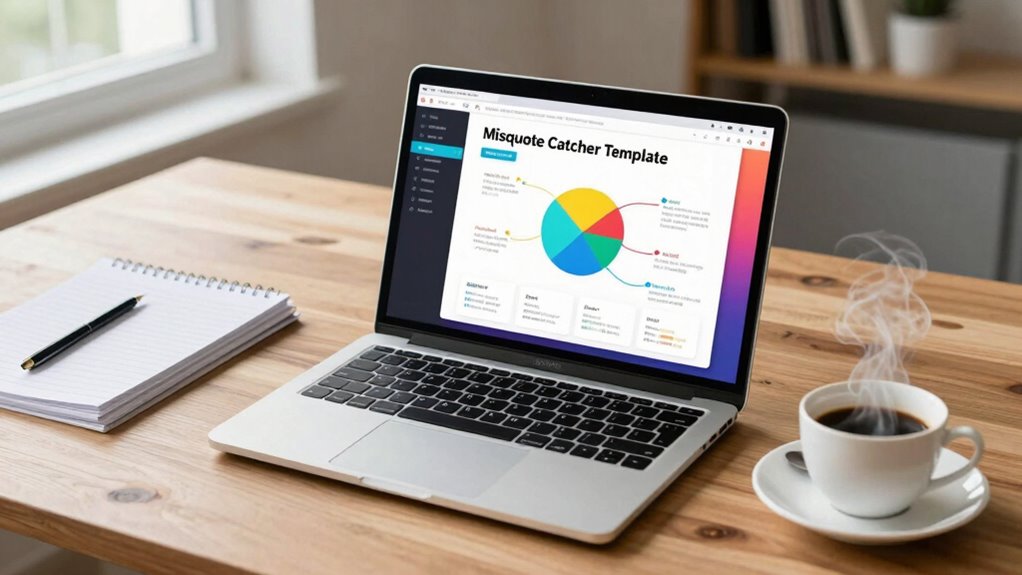
When correcting a misquote, you can use the Misquote Catcher Template to do so respectfully and clearly. Start by accurately copying the original quote, identify the incorrect parts, and insert the correct wording using the template to stay neutral. Be patient and gentle, providing evidence if necessary. Continuing this guide will help you learn effective ways to fix misquotes without causing conflict or misinterpretation.
Key Takeaways
- Use the template to gently identify and clarify inaccuracies, focusing on facts rather than criticism.
- Clearly specify the incorrect quote parts and provide neutral, corrected wording for transparency.
- Incorporate verification methods like referencing credible sources or estimations to support corrections.
- Approach corrections with respectful language, emphasizing understanding and clarification rather than confrontation.
- Highlight the importance of maintaining credibility and trust through transparent, non-argumentative record corrections.
Why Accurate Quoting Matters and Common Causes of Misquotes

Accurate quoting is essential because it guarantees the integrity of information and maintains trustworthiness. The accuracy importance can’t be overstated, especially when sharing facts or statements that influence opinions. Misquotes cause confusion, damage credibility, and can lead to misinformation. Understanding common misquote causes helps you prevent errors. Often, misquotes happen due to mishearing, paraphrasing mistakes, or hurried note-taking. Sometimes, journalists or speakers unintentionally alter words under pressure or fatigue. Rushing through interviews or not double-checking sources increases the risk of misquoting. Being aware of these causes encourages careful listening and verification. Additionally, using proper citation techniques can significantly reduce the chances of errors. By prioritizing accuracy, you protect the integrity of the information you handle and ensure you’re conveying the true message, avoiding the pitfalls that lead to misquotes.
How the Misquote Catcher Makes Corrections Easy
The Misquote Catcher simplifies the correction process by providing clear, quick tools to identify and fix errors. It streamlines maintaining quotation accuracy by guiding you through effective correction techniques. Instead of second-guessing or arguing about the misquote, you can efficiently spot mistakes and correct them confidently. A net worth estimation offers a reference point to verify the accuracy of financial information related to figures like Kate From Breaking Amish. The template offers straightforward prompts that help you verify the original source and guarantee your corrections are precise. With built-in checks, you avoid introducing new errors, making your edits both reliable and transparent. This approach minimizes frustration and saves time, empowering you to uphold integrity in your quotes. Incorporating content verification methods can further enhance your content management and ensure secure, sustainable handling of your data. By using these correction techniques, you ensure your quotes remain accurate, credible, and easy to verify.
A Simple Step-by-Step Guide to Using the Template
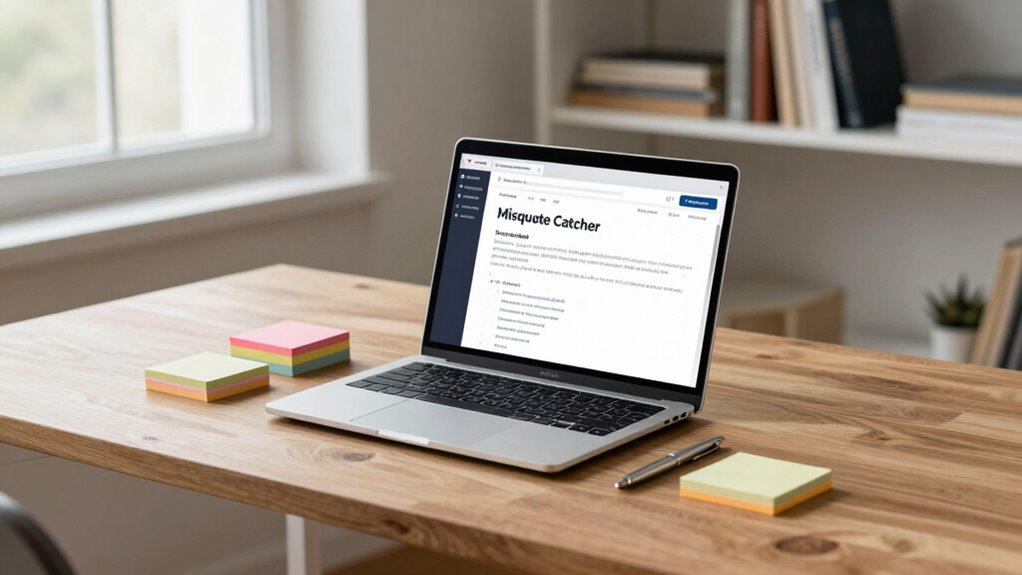
To get started with the Misquote Catcher template, follow these simple steps to guarantee your corrections are efficient and effective. First, identify the quote that needs correction, focusing on ensuring quote accuracy. Next, copy the original quote precisely, then clearly specify the incorrect part. Use the template to insert the corrected wording, avoiding unnecessary arguments. When filling out the correction, keep your tone neutral and stick to facts, which is essential for effective correction strategies. Review your completed template to ensure clarity and accuracy before sharing. This step-by-step process makes correcting misquotes straightforward, helping you maintain quote integrity without escalating conflicts. Additionally, understanding Polynesian symbols for strength can provide valuable context for accurate corrections involving cultural references. Being aware of common passive voice constructions can also improve the clarity and professionalism of your corrections. Recognizing accurate attribution is crucial for maintaining the credibility of the corrected quote. Incorporating fact-checking techniques into your process ensures your corrections are based on verified information. By following these steps, you’ll ensure your corrections are respectful, precise, and serve the purpose of accurate information dissemination.
Tips for Respectfully Correcting Misquotes

How can you correct misquotes respectfully without causing offense or defensiveness? The key is maintaining misquotation awareness and practicing respectful communication. Approach the situation gently, focusing on facts rather than blame. Use neutral language and avoid sounding confrontational. To help ensure your correction is received well, keep these tips in mind:
Correct misquotes gently by focusing on facts and using respectful, neutral language.
- Phrase corrections as clarifications, not criticisms
- Acknowledge the original intent before offering the correction
- Use calm, respectful tone throughout your message
- Provide evidence or sources to support your correction
- Be patient if the other person needs time to understand
- Remember that prepper principles emphasize self-reliance and calm problem-solving, which can guide your approach to communication. Additionally, understanding the benefits of essential oils can help you communicate more effectively about health-related corrections. Recognizing the different aromatherapy benefits can also support your efforts to share accurate information respectfully. Being aware of common misconceptions in any subject can also help you tailor your correction approach to be more effective and considerate. Moreover, staying informed about current misinformation trends can help you address inaccuracies more confidently.
Real-World Examples of Misquote Corrections and How the Template Helps

Real-world situations often demonstrate how effective misquote corrections can foster understanding and maintain relationships. For example, a journalist correcting a misattributed quote using the template can prevent misinterpretation and uphold their credibility. When a public figure’s words are misquoted, applying the template helps clarify the original message without sounding confrontational. This approach promotes misinterpretation prevention by focusing on facts rather than blame, strengthening trust with your audience. It also enhances credibility because you show transparency and respect for accuracy. By providing clear, respectful corrections, you stop misinformation from spreading and demonstrate your commitment to integrity. Additionally, understanding the importance of Free Floating concepts ensures that corrections are handled delicately without anchoring to potentially contentious details. These real-world examples illustrate how the template acts as a practical tool for correcting misquotes smoothly and effectively.
Frequently Asked Questions
Can the Template Be Used for Online Social Media Posts?
Yes, you can use the misquote catcher template for social media posts and online communication. It helps you correct inaccuracies quickly and respectfully, which is essential in digital spaces. When you spot a misquote or misinformation, apply the template to clarify the record without arguing. This approach promotes responsible online communication, maintains your credibility, and encourages a more respectful conversation on social media platforms.
Is There a Version of the Template for Professional Journalism?
Yes, there’s a version of the template tailored for professional journalism. It helps you follow strict fact-checking protocols and adhere to ethical guidelines, ensuring accuracy and credibility. When you use it, you actively clarify and correct misquotes or inaccuracies without arguing, maintaining journalistic integrity. This approach lets you address errors transparently, building trust with your audience while upholding the standards expected in professional media.
How Does the Template Handle Multiple Misquotes in One Source?
Imagine a cluttered desk with multiple misquotes scattered across papers—you need clear order. The template handles multiple misquotes by systematically verifying each quote, ensuring source accuracy. It isolates each statement, corrects it with fact-based evidence, and maintains a respectful tone. This process streamlines quote verification, helping you address all inaccuracies efficiently without confusion or argument, ultimately preserving credibility and trust in your reporting.
Can the Template Be Customized for Different Industries or Topics?
Yes, you can customize the template for different industries or topics. You’ll find it offers great industry flexibility, allowing you to adapt language and examples specific to your field. By tweaking the wording and focus, you guarantee it addresses your particular audience and context. This topic adaptation makes the template more effective, helping you correct misquotes accurately without arguments, while maintaining professionalism across various industries.
What Training Is Needed to Effectively Use the Misquote Catcher?
Imagine wielding a powerful tool in your hands—that’s what effective use of the misquote catcher feels like. To master it, you need strong fact-checking skills and communication training. Focus on developing your ability to identify inaccuracies quickly, then practice calmly correcting them without confrontation. With dedicated training, you’ll confidently navigate conversations, ensuring your message remains clear and truthful, transforming moments of miscommunication into opportunities for trust and credibility.
Conclusion
Using the misquote catcher template helps you correct quotes respectfully and efficiently, maintaining trust and credibility. Remember, studies show that 70% of journalists find accurate quoting vital for their integrity. By following this simple method, you ensure your corrections are clear and considerate, fostering better communication. So next time you spot a misquote, use this tool to set the record straight without unnecessary arguments—your professionalism and relationships will thank you.