
TL;DR
The debate over whether DayQuil should be legalized for recreational or non-prescribed use is gaining attention. While some advocate for deregulation, health authorities warn of risks. The issue raises questions about drug policy and public health safety.
Discussions about whether DayQuil should be legalized for non-medical use are gaining traction, with proponents citing personal freedom and critics warning of health risks. The debate emerges amid broader conversations on drug regulation and public safety, though no official policy changes have been announced.

Give the gift of listening to someone who needs a break
- Choose a 1-, 3-, 6- or 12-month membership
- They pick the audiobooks they love
- Easy to send by email
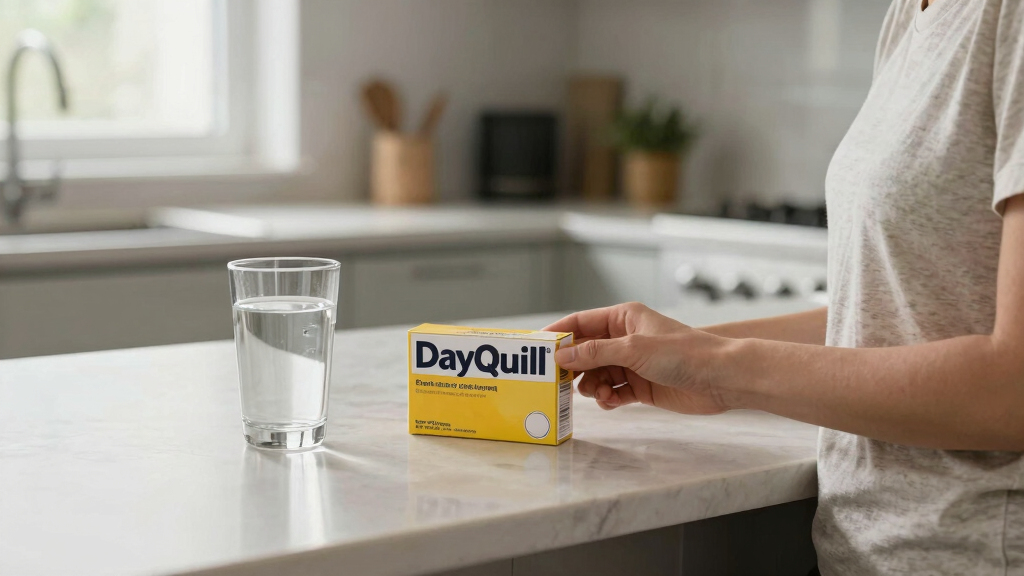
Currently, DayQuil remains an over-the-counter medication approved for treating cold and flu symptoms, containing active ingredients like acetaminophen, dextromethorphan, and phenylephrine. Recently, some advocates have called for its legalization outside of medical guidance, citing personal choice and potential economic benefits. However, health authorities such as the FDA and CDC have expressed concern over misuse, especially because dextromethorphan can be abused recreationally.
There is no formal legislative movement to change its legal status at this time. The debate is largely centered on balancing individual freedoms with public health risks, particularly among youth and vulnerable populations. Some states and local jurisdictions are considering stricter regulations or educational campaigns rather than outright legalization.
Implications for Public Health and Drug Policy
This debate matters because legalizing DayQuil could influence drug use patterns, impact public health, and challenge existing regulations. If permitted for non-medical use, it might lead to increased misuse, especially among teenagers, but could also reduce criminalization and promote personal choice. The discussion reflects larger issues about how society balances individual freedoms with safety concerns.
Popular right now

Ninja Foodi Smart 6-in-1 Indoor Grill and Air Fryer, 4 Qt, FG551

Ninja Crispi Microwave and Air Fryer with FusionCrisp, Silver, MW101

Philips 3300 Series Fully Automatic Espresso Machine with LatteGo
As an affiliate, we earn on qualifying purchases.
Background of Drug Regulation and Non-Prescription Medications
DayQuil has been an OTC medication for decades, with its active ingredients regulated to prevent abuse. In recent years, dextromethorphan, a cough suppressant in DayQuil, has been misused recreationally, prompting warnings from health agencies. The broader movement to reconsider drug laws includes debates over substances like cannabis, psychedelics, and now, medications like DayQuil. No formal legislative proposals to legalize or decriminalize DayQuil have been introduced, but the topic remains part of ongoing discussions about drug policy reform.
“Legalizing medications like DayQuil for non-medical use raises serious concerns about misuse and health risks, especially among youth.”
— Dr. Lisa Carter, Public Health Expert
Unclear Legal and Public Health Implications
It is not yet clear whether any legislative efforts to legalize DayQuil for non-medical use will gain traction. The potential impact on public health, misuse rates, and regulatory frameworks remains uncertain. Authorities have not issued definitive policies, and the debate is ongoing among lawmakers, health officials, and advocacy groups.
Next Steps in the DayQuil Legalization Debate
Legislators and health agencies are expected to monitor public opinion and misuse data closely. Possible future actions include introducing regulations to restrict access, public education campaigns, or legislative proposals to decriminalize or legalize DayQuil for certain uses. The debate is likely to continue into 2024, with policy decisions pending.
Key Questions
What are the main arguments for legalizing DayQuil?
Proponents argue that legalization could reduce illegal markets, promote personal freedom, and potentially generate tax revenue. They also cite the importance of respecting individual rights over government restrictions.
What are the health risks associated with misuse of DayQuil?
Misuse of DayQuil, especially due to dextromethorphan, can cause hallucinations, nausea, dizziness, and in severe cases, liver damage from acetaminophen overdose. Health authorities warn of these dangers, particularly among youth.
Are any states considering legal changes regarding DayQuil?
As of now, no states have introduced legislation specifically to legalize DayQuil for non-medical use. Some are discussing stricter regulations or educational efforts to prevent misuse.
Could legalizing DayQuil lead to broader drug policy reforms?
Potentially, yes. If DayQuil legalization gains support, it might influence discussions on deregulating other OTC medications or substances, but such changes would require careful regulation and public health considerations.
Source: hn