

The therapy-speak trap happens when words like “boundaries” and “triggers” are twisted against you instead of fostering understanding. manipulators may dismiss your feelings or use these terms to control or gaslight, making you question your reactions or feel guilty. Recognizing these tactics helps you protect your emotional space and set healthy limits. Staying aware and trusting your instincts will empower you to navigate these distortions—more insights await to help you stay grounded.
Key Takeaways
- Manipulative use of “boundaries” dismisses your feelings and shifts blame onto you.
- “Triggers” are exploited to avoid accountability and gaslight emotional responses.
- Recognize when therapy language is weaponized to control or silence you.
- Set clear, assertive boundaries and trust your instincts to protect emotional space.
- Stay aware of subtle language shifts that twist genuine concepts into tools of manipulation.

Set Boundaries, Find Peace: A Guide to Reclaiming Yourself
As an affiliate, we earn on qualifying purchases.
As an affiliate, we earn on qualifying purchases.
Where the ‘Therapy-Speak’ Trap Comes From: Origins of Wellness Language

The origins of wellness language trace back to psychology and self-help movements that aimed to make mental health concepts more accessible. Over time, these ideas evolved, shaping what we now call the wellness language. Historical therapy origins played a key role, transforming complex psychological theories into everyday terms. This transformation was driven by a desire to empower individuals to understand and manage their mental health. As these concepts spread, words like “boundaries” and “triggers” became common, often stripped of their clinical context. Instead of precise tools, they turned into broad, sometimes vague, expressions used to foster connection or, unfortunately, manipulate. Recognizing the influence of clinical roots can help you see how therapy-speak can sometimes be misused or overly simplified, losing the nuance that’s crucial to genuine healing. The tendency for these terms to be generalized or misapplied underscores the importance of understanding their psychological origins, which can clarify how they are intended to function. Additionally, understanding the evolution of terminology can shed light on how these words may be misinterpreted or misused in everyday conversations. It’s essential to remember that these words, while helpful in context, can be distorted when taken out of their original therapeutic framework.
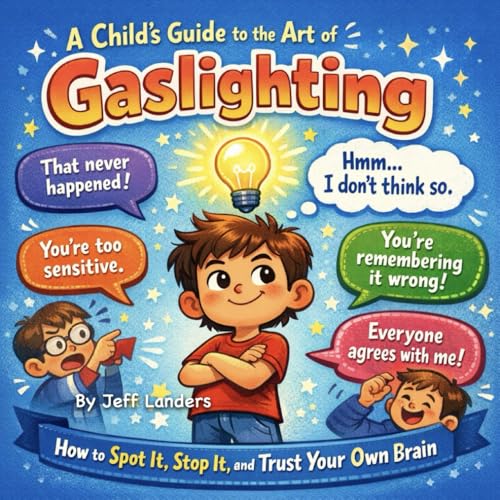
A Children's Guide to Gaslighting
As an affiliate, we earn on qualifying purchases.
As an affiliate, we earn on qualifying purchases.
When ‘Boundaries’ Are Used to Manipulate or Gaslight

While the language of boundaries grew from a genuine desire to foster respect and understanding, some people manipulate this concept to control others. They might misuse emotional boundaries to dismiss your feelings or avoid accountability. Instead of fostering honest communication, they twist boundaries into tools of gaslighting.
Common tactics include:
- Using emotional boundaries to dismiss your concerns, making you feel guilty or unreasonable.
- Claiming “boundaries” to avoid accountability, shutting down conversations or denying responsibility.
- Gaslighting you into questioning your perceptions by insisting their boundaries make your feelings invalid.
In these cases, boundaries aren’t about mutual respect—they become weapons to manipulate, control, or silence you, undermining genuine understanding.

108 Mindfulness Cards for Coping Skills, Mind Brain Emotional Insight Cards
- Dual-Action Emotional Wellness System: Complete cycle of care with two decks
- Evidence-Based Tools: 108 cards rooted in CBT, DBT, and Somatic Therapy
- Structured, Practical Cards: Each card offers Action, Insight, and Practice
As an affiliate, we earn on qualifying purchases.
As an affiliate, we earn on qualifying purchases.
How ‘Triggers’ Can Be Weaponized to Avoid Accountability

When someone weaponizes the idea of being triggered, they often deflect responsibility for their actions. They may gaslight your emotional reactions to make you doubt your feelings or perspective. This tactic helps them avoid genuine accountability and keeps the focus off their behavior. Such manipulation can resemble the exclusivity and control seen in haute couture, where only certain behaviors or narratives are validated, leaving others feeling invalidated or dismissed. Recognizing these tactics is crucial to maintaining emotional resilience and safeguarding your boundaries.
Deflecting Responsibility Easily
Triggers can be powerful tools for deflecting responsibility, especially when people weaponize them to dodge accountability. They use emotional manipulation to shift blame onto others, making it seem like your reactions are the problem. This tactic helps them avoid facing their own faults. To do this effectively, they might:
- Claim they’re “triggered” to justify their behavior, sidestepping accountability.
- Push your emotional responses as proof of their innocence, not their fault.
- Minimize or dismiss their actions by emphasizing your reactions, creating a cycle of accountability avoidance. They might also exploit support breakfast environments as a way to distract from meaningful accountability discussions. Recognizing natural environments that foster open communication can help break this cycle. Additionally, understanding the ethical implications of such tactics can empower you to set healthier boundaries.
Gaslighting Emotional Reactions
People often weaponize emotional reactions by gaslighting others into doubting their own feelings. They might dismiss your emotions as overreactions or manipulate you into believing you’re too sensitive, shifting focus away from their behavior. This tactic erodes your emotional resilience, making it harder to trust your instincts. By twisting your triggers, they avoid accountability, framing your reactions as irrational or invalid. Developing self-awareness helps you recognize when your feelings are being dismissed or invalidated intentionally. It allows you to stand firm in your emotional truth without being swayed by manipulation. Recognizing gaslighting tactics empowers you to protect your emotional space and maintain clarity, preventing others from weaponizing your reactions to avoid taking responsibility.
Avoiding Genuine Accountability
Genuine accountability can be sidestepped when individuals manipulate the concept of triggers to deflect responsibility. Instead of owning their actions, they focus on emotional resilience and self-awareness as reasons for their reactions. This tactic shifts the blame onto others’ triggers, making it seem like they’re powerless. To avoid accountability, they might:
- Claim they reacted based on their emotional triggers, not intent.
- Use their self-awareness as an excuse for emotional responses.
- Dismiss responsibility by emphasizing how others’ actions caused their reactions.

JWVK Mental Health Matters Motivational Black Notebook,Psychologist Therapist Gift Notebook Journal for Counselor Therapy Office Work School Student Teacher,Hardcover Spiral Notebook 5.5×8.3
- Size: 5.5×8.3 inches with 80 pages
- Material: High-quality, durable, eco-friendly hardcover
- Portability: Compact and lightweight for on-the-go use
As an affiliate, we earn on qualifying purchases.
As an affiliate, we earn on qualifying purchases.
Practical Ways to Protect Yourself From Manipulative Therapy Language

To protect yourself from manipulative therapy language, start by recognizing when words are used to control or guilt you. Set clear boundaries to prevent others from crossing into your personal space or influencing your decisions. Trust your instincts—if something feels off, listen to that feeling and act accordingly. Incorporating strategies like active listening can help you better understand the intent behind certain words and avoid falling into the Relationship Rewind trap. Being aware of emotional manipulation techniques used in communication can further strengthen your ability to identify and resist undue influence. Additionally, understanding the power dynamics often present in therapeutic language can empower you to maintain agency over your choices.
Recognize Manipulative Language
Manipulative therapy language often disguises itself through subtle words and phrases that steer your perceptions and decisions. To recognize it, consider how cultural influences and language evolution shape these tactics. Be aware that words like “should,” “must,” or “always” might pressure you into compliance. Look out for vague terms like “helping” or “understanding,” which can mask manipulation. Here are three ways to identify these cues:
- Notice if language shifts blame onto you or suggests you’re at fault.
- Watch for absolutes or emotional appeals designed to bypass logic.
- Question phrases that use cultural norms or evolving language to justify control.
- Paying attention to Paint Sprayer Zone practices can help you distinguish genuine communication from manipulation. Recognizing how media literacy influences our interpretation of therapy language can also empower you to see through subtle manipulation tactics.
Understanding these patterns helps you stay alert and protect your boundaries.
Set Clear Personal Boundaries
Recognizing manipulative language is a vital step toward maintaining your mental and emotional boundaries. To protect yourself, set clear limits on what you’re willing to accept. Use your emotional intelligence to identify when therapy speak is twisting your words or feelings. Practice self-awareness by understanding your needs and boundaries before engaging in conversations. Assert yourself confidently when someone pushes beyond those limits, saying, “That’s not acceptable,” or “I need time to think.” Remember, you’re responsible for your well-being. Establish boundaries that feel right for you and communicate them clearly. Trust your instincts and don’t be swayed by guilt or pressure. Consistently reinforcing your boundaries helps guard against manipulation and keeps your emotional health intact. Recognizing boundary violations can help you stay vigilant against subtle forms of emotional manipulation. Being aware of clouding language used to obscure true intentions can further empower you to maintain your personal limits. Developing a waterproof mindset also strengthens your resilience against external pressures and manipulative tactics. Cultivating this mindset involves practicing emotional resilience, which is essential in resisting gaslighting and other tactics that distort your perception, helping you stay grounded in your values, which can help you resist subtle coercion.
Trust Your Intuition
Trust your intuition as a crucial tool for detecting when therapy language is being used to manipulate you. If something feels off, listen to that feeling—your emotional resilience depends on it. Developing strong communication skills helps you recognize when words are twisted to serve someone else’s agenda. Here are practical ways to trust your instincts:
- Pay attention to your emotional responses—if you feel uncomfortable or pressured, pause and reflect.
- Question vague or overly simplified explanations; genuine understanding requires specific, clear communication.
- Trust your gut—if a phrase or idea doesn’t sit right, seek a second opinion or take time before responding.
Communicating Your Needs Clearly Without Falling for the Trap

Communicating your needs clearly can be challenging when the language used around therapy often emphasizes subtlety and indirectness. To avoid falling into this trap, focus on establishing emotional boundaries that reflect your true feelings. Be direct and specific about what you need, rather than relying on vague or ambiguous language. Clear communication ensures your boundaries are understood and respected, reducing misunderstandings. Remember, you don’t have to downplay your feelings or soften your requests to be polite. Instead, prioritize communication clarity—state your needs honestly and calmly. This approach empowers you to express yourself authentically without letting therapy-speak distort your message or make you feel guilty for setting boundaries. Effective communication is your best tool for healthy, effective dialogue. Additionally, being aware of common misinterpretations of therapy language can help you stay grounded and advocate for yourself confidently, preventing the twisting of your words into guilt or blame. Recognizing the importance of boundaries in maintaining healthy relationships can further support your efforts to communicate effectively. Developing a clear language around your needs can also reinforce your confidence and ensure your message is understood without ambiguity.
Building Healthy Boundaries That Empower, Not Ensnare

Building healthy boundaries is essential because they empower you to protect your well-being without trapping yourself in rigid rules. When you set boundaries rooted in self-awareness, you strengthen your emotional resilience and create a safe space for growth. To do this effectively: 1. Recognize your limits clearly—know what feels right and what doesn’t. 2. Communicate boundaries assertively, avoiding guilt or over-apologizing. 3. Regularly review and adjust boundaries as your self-awareness deepens and circumstances change. Healthy boundaries aren’t about exclusion or control; they’re about fostering mutual respect and understanding. When grounded in emotional resilience, they help you stay centered and resilient against manipulation. Incorporating an understanding of herbalism principles can also support emotional well-being and resilience. Building boundaries this way ensures they serve as tools for empowerment, not traps that restrict your personal growth.
Frequently Asked Questions
How Can I Tell if Someone Is Using Therapy-Speak Manipulatively?
You can spot manipulation by paying attention to their tone and consistency. If they use therapy-speak like “boundaries” or “triggers” to dismiss your feelings or avoid accountability, it’s a red flag. Practice mindful awareness and emotional literacy to recognize when language feels forced or self-serving. Trust your instincts—if their words seem designed to control or guilt you, they might be twisting therapy terms for manipulation.
Are There Positive Ways to Set Boundaries Without Being Misunderstood?
Yes, you can set boundaries positively by practicing emotional honesty and respectful communication. Clearly express your needs without blame, using “I” statements to avoid misunderstandings. For example, say, “I need some space,” rather than sounding accusatory. This approach helps others understand your perspective without feeling attacked, fostering mutual respect. Keep your tone calm and genuine, ensuring your boundaries are seen as healthy and caring rather than manipulative.
What Should I Do if My Therapist Uses Language I Find Confusing?
If your therapist uses language you find confusing, speak up for your emotional safety. Practice mindful communication by asking for clarification without feeling guilty. Say something like, “Can you explain what you mean? I want to understand better.” This helps guarantee your boundaries are respected and promotes clearer, more effective therapy. Remember, your understanding and comfort are essential for a safe, productive therapeutic relationship.
Can Therapy-Speak Be Harmful Even When Intentions Are Good?
Therapy-speak can be harmful even when intentions are good because it might hinder your emotional literacy and clarity. When language becomes confusing or overly technical, you may struggle to understand your feelings or communicate effectively. This can lead to feelings of frustration or being misunderstood. To protect yourself, ask for explanations in simple terms and make sure you fully grasp what’s being discussed, fostering clearer communication and emotional understanding.
How Do I Differentiate Between Healthy Boundaries and Emotional Manipulation?
Did you know that 60% of people struggle to distinguish boundaries from manipulation? To tell them apart, focus on consistency and intent. Healthy emotional boundaries respect your needs and are assertively communicated, not guilt-inducing or coercive. Boundaries vs manipulation often feel different—manipulation uses guilt or pressure, while healthy boundaries empower you without control. Trust your feelings and watch for signs that someone respects or dismisses your limits.
Conclusion
Don’t let therapy-speak turn you into a puppet on a string, blindly following buzzwords that twist your words and manipulate your feelings. Remember, boundaries aren’t tools for control—they’re your shield against being gaslit or guilt-tripped. Stay vigilant, communicate honestly, and don’t let these trendy terms become weapons against you. When you own your voice and set real boundaries, you’re unstoppable—like a superhero in your own mental wellness story.