

Control by confusion uses contradictions to keep you uncertain and off-balance. By intentionally providing conflicting messages and denying previous statements, the manipulator makes it hard to trust your judgment or figure out their true motives. This chaos causes you to doubt yourself and hesitate, preventing you from making clear decisions. If you pay attention, you’ll discover how these tactics work together and how to spot them, gaining more control over such confusing situations.
Key Takeaways
- Contradictions create cognitive dissonance, making individuals doubt their judgment and become more susceptible to manipulation.
- They obscure true motives, preventing clear understanding and maintaining the manipulator’s control.
- Using conflicting messages confuses and destabilizes, hindering decisive action.
- Contradictions keep individuals mentally disoriented, reducing confidence and independence over time.
- The primary goal is to shift perceptions and favor the manipulator’s agenda through deliberate ambiguity.

Have you ever felt unsure about who’s really in control during a confusing situation? “Control by Confusion” is a tactic used to manipulate perceptions and obscure true motives, making it difficult for others to assert authority or make clear decisions. It’s a deliberate strategy that relies on sowing doubt and creating ambiguity, often leaving you questioning what’s real and what’s not. When someone employs this tactic, they’re often using manipulation tactics designed to destabilize your confidence so they can steer the situation in their favor.
One of the core tools in this approach is exploiting cognitive dissonance. You might find yourself holding conflicting beliefs or feelings about a person or a situation, which creates mental discomfort. The manipulator then capitalizes on this discomfort by offering conflicting messages or contradicting their previous statements, causing you to second-guess your own judgment. This confusion weakens your ability to stand firm or assert control, because your mind is preoccupied with resolving internal conflicts rather than focusing on the external reality. The more disoriented you feel, the easier it becomes for the manipulator to shift the narrative and maintain dominance. Recognizing manipulation tactics can help you better understand how these strategies are designed to influence your perceptions.
Exploiting conflicting beliefs creates mental discomfort, making it harder to stay focused and assert control.
Manipulation tactics like contradictions and inconsistent information are used to fuel this confusion. For example, someone might praise you one moment and criticize you the next, leaving you unsure whether they’re supportive or hostile. They might also change their story or deny previous statements, making it hard for you to trust your perception. These contradictions aren’t accidental—they’re carefully crafted to create a fog that makes it impossible to see the true motives behind their actions. As a result, your ability to judge the situation clearly diminishes, giving the manipulator more room to maneuver. Recognizing these tactics as part of a broader psychological manipulation framework can help you see through their tactics more effectively. Understanding the psychological principles behind these strategies can empower you to respond more effectively.
In such scenarios, your instincts might tell you something’s off, but the conflicting information causes you to hesitate or doubt yourself. This is exactly what the manipulator wants. By stirring cognitive dissonance, they keep you caught in a cycle of confusion, unable to make firm decisions or challenge their authority. Over time, this dynamic can erode your confidence and independence, making you more susceptible to their influence. Recognizing these tactics is vital because understanding the game allows you to step back, assess the facts objectively, and resist being pulled into their web of confusion. It can also be helpful to recognize the importance of biodiversity in understanding complex systems, as seeing the bigger picture can assist in clarifying confusing situations. When you’re aware of how manipulation tactics and cognitive dissonance work together, you regain control over your perceptions and decisions.

Traumatic Cognitive Dissonance: Healing From An Abusive Relationship With A Disordered Personality
As an affiliate, we earn on qualifying purchases.
As an affiliate, we earn on qualifying purchases.
Frequently Asked Questions
How Can Confusion Be Intentionally Used in Leadership Strategies?
You can intentionally use confusion in leadership by leveraging manipulation tactics that create cognitive dissonance, making others question their beliefs or decisions. This strategy unsettles your team, making them more receptive to your influence. By introducing contradictions, you control the narrative, guiding perceptions and choices subtly. Mastering this technique helps you shape behaviors and maintain authority, often without overt confrontation, by keeping others unsure and dependent on your guidance.
What Psychological Effects Do Contradictions Have on Decision-Making?
Contradictions create a mental maze, forcing you into cognitive dissonance, which clouds your judgment. This confusion makes you more susceptible to bias reinforcement, as your mind seeks consistency and comfort. You might second-guess decisions or cling to familiar beliefs, even when evidence suggests otherwise. By stirring this mental chaos, contradictions subtly steer your choices, making you more malleable and easier to influence without your awareness.
Are There Ethical Concerns With Employing Control Through Confusion?
Yes, there are ethical concerns with employing control through confusion. You risk crossing ethical boundaries by manipulating others’ perceptions, which can undermine trust and autonomy. Using contradictions deliberately can exploit vulnerabilities, leading to potential manipulation risks. It’s essential to contemplate whether your intent aligns with honesty and respect, ensuring you don’t compromise ethical standards just to influence or control others.
How Does Cultural Context Influence the Effectiveness of Contradictory Messaging?
You know what they say, “it’s not what you say but how you say it.” Cultural nuances deeply influence how contradictory messaging works because communication barriers vary across cultures. In some contexts, contradictions create confusion and mistrust, while in others, they spark curiosity or engagement. Understanding these cultural differences helps you tailor messages effectively, ensuring your contradictions either clarify or subtly influence, rather than hinder, your overall communication goals.
Can Individuals Recognize When They Are Being Manipulated by Confusion?
You might not always recognize when manipulation causes cognitive dissonance or emotional ambiguity, but being aware helps. When contradictory messages evoke confusion, your mind struggles to reconcile conflicting ideas, making you more susceptible. If you notice feelings of doubt or emotional uncertainty, it’s a sign you’re experiencing manipulation. Staying alert and questioning inconsistencies can help you avoid falling into the trap of confusion intentionally used to control your perceptions.

Manipulation: A Psychologist's Guide to Detect Emotional Manipulation, Spot Mind Control Tricks of Influence & Persuasion Tactics to Defend Against It (Psychology Self-Help)
As an affiliate, we earn on qualifying purchases.
As an affiliate, we earn on qualifying purchases.
Conclusion
Imagine steering a maze with shifting walls, each turn designed to disorient. That’s how contradictions often work—they scramble your sense of direction, making you doubt what’s real. But within this chaos lies a hidden power: control. When confusion reigns, you’re less likely to challenge authority or see the trap. Embrace the twist, recognize the game, and find your way through the labyrinth—not by avoiding confusion, but by understanding it as the key to mastery.
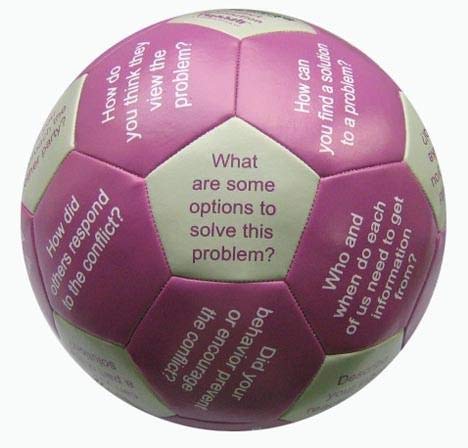
Training Wheels Conflict Resolution Thumball for End of Group Debriefing Team Building Activities for Work and Therapy (Conflict Resolution, 6")
THUMBALL – Toss, catch, look under your thumb! Great teambuilding tool! Stimulate conversations and talk about topics that…
As an affiliate, we earn on qualifying purchases.
As an affiliate, we earn on qualifying purchases.

The Emotional Intelligence Activity Kit: 50 Easy and Effective Exercises for Building EQ
As an affiliate, we earn on qualifying purchases.
As an affiliate, we earn on qualifying purchases.