
TL;DR

Get self-care and calm essentials delivered free — and shop member deals
- Fast, free delivery on millions of items
- Access to Prime Big Deal Days deals on October 6–7
- Prime Video, Amazon Music and more included
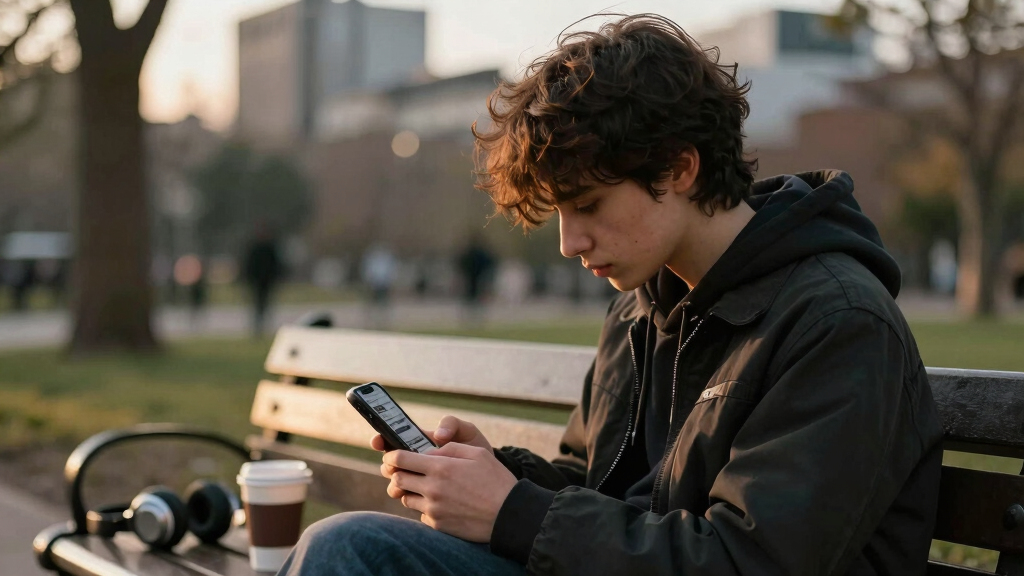
Social media users are now more passive, favoring trending videos and fads over interactions with friends. Data from France, the UK, and the US confirms a decline in active posting, especially among young users. This shift impacts platform monetization and social dynamics.
Social media users are increasingly engaging with trending fads and entertainment content rather than maintaining personal connections, according to recent surveys and expert analysis. This shift is transforming platform dynamics and how users interact online.
Data from France, the UK, and the US shows a significant decline in active posting among social media users. In France, nearly half (49%) of users are ‘active only occasionally,’ while the UK reported a drop from 61% to 49% in active posters. In the US, a June 2025 survey found only 33% of users post daily, down from 57%. Among Gen Z, just 18% are active posters, with 74% passively consuming content.
Experts attribute this to increased awareness of digital footprints and potential criticism, leading users to share less personal content. Instead, young users are engaging more with humorous, remix, and parody videos on platforms like TikTok, while private messaging groups on WhatsApp and Instagram have become the main spaces for social interaction. Social media consultant Matt Navarra notes that platforms are splitting into entertainment-focused public feeds and private, intimate spaces where genuine social interaction occurs.
Meanwhile, algorithms powered by AI are prioritizing content from unknown creators based on user engagement, further shifting focus away from personal networks toward trending and suggested content. Small businesses face new challenges as they must adapt to these content trends to reach audiences, often becoming content creators themselves.
This trend indicates a fundamental change in social media’s role—from a platform for personal connection to one centered on entertainment and passive consumption. For users, it may mean less authentic social interaction and increased exposure to commercial content. For businesses, it presents both challenges and opportunities: standing out requires new strategies, such as creating engaging, trend-based content. The shift also raises questions about the future of social media monetization, as private and intimate spaces become less accessible for advertising.
TikTok trending video ring light
As an affiliate, we earn on qualifying purchases.
As an affiliate, we earn on qualifying purchases.
Over the past few years, social media platforms have shifted from being primarily spaces for personal communication to entertainment hubs driven by algorithms that favor trending content. Surveys from France, the UK, and the US reveal declining active posting rates, especially among younger users. Experts note that users are increasingly conscious of their digital footprints and prefer private messaging or niche groups for genuine social interaction. Platforms like TikTok pioneered algorithms that personalize content feeds, a model now adopted broadly by Meta for Facebook and Instagram, emphasizing content from unknown creators based on engagement rather than personal networks.
This evolution impacts how small businesses market themselves, as they must now produce more engaging, trend-based content to reach audiences. The overall trend suggests social media is becoming more passive and less about direct personal interaction, raising questions about its future social and commercial roles.
“Users have become more conscious that the traces they leave on social media stay there forever, and some no longer want superficial relations or exposure to criticism.”
— Vanessa Lalo, clinical psychologist
private messaging app smartphone holder
As an affiliate, we earn on qualifying purchases.
As an affiliate, we earn on qualifying purchases.
While current data confirms a decline in active posting and a rise in passive consumption, it remains unclear how this will affect social media’s role in society long-term. It is also uncertain whether platforms will adapt their monetization strategies to these changing behaviors or if new social dynamics will emerge as private groups and messaging become dominant.
content creator ring light for TikTok
As an affiliate, we earn on qualifying purchases.
As an affiliate, we earn on qualifying purchases.
Researchers and industry analysts anticipate further shifts toward private, trend-driven content consumption. Platforms may develop new features to foster genuine social interactions within private groups or evolve their algorithms to balance entertainment with authentic connections. Monitoring these changes will be crucial to understanding social media’s evolving societal role and business models.
passive social media viewer headphones
As an affiliate, we earn on qualifying purchases.
As an affiliate, we earn on qualifying purchases.
Key Questions
Why are people posting less personal content on social media?
Many users are more aware of their digital footprints and the potential for criticism, leading them to share less personal content and prefer private messaging or niche groups for social interactions.
How are social media platforms adapting to these changes?
Platforms are increasingly focusing on entertainment and discovery features, using AI-driven algorithms to promote trending content from unknown creators, while private groups and messaging apps become more central for genuine social interaction.
What does this mean for small businesses using social media?
Small businesses must now produce engaging, trend-based content to reach audiences, often taking on roles as content creators themselves, which shifts their marketing strategies significantly.
Will this trend continue or reverse?
It is still unclear whether the decline in active posting and rise in passive consumption will persist or if new social features will emerge to re-engage users in more personal interactions.
Source: Hacker News
Halloween Picks
halloween
As an affiliate, we earn on qualifying purchases.