
Timeboxing your conversations helps keep discussions focused, efficient, and respectful of everyone’s time. By setting clear limits, you prevent conversations from wandering off-topic or dragging on unnecessarily. Creating agendas, active listening, and sticking to designated time frames encourage concise, purposeful dialogue. These limits turn meetings into powerful tools for progress rather than time sinks. If you want practical tips on implementing these strategies effectively, stay tuned for more insights.
Key Takeaways
- Establish strict start and end times to keep discussions focused and prevent overruns.
- Use clear agendas to prioritize topics and avoid unnecessary tangents.
- Practice active listening to ensure relevant points are understood and addressed efficiently.
- Set specific time limits for each topic to encourage concise communication.
- Combine timeboxing with structured agendas and active listening to maximize productivity and engagement.

Have you ever felt that meetings or conversations drag on without clear purpose? It’s frustrating when time slips away, and you’re left wondering whether anything meaningful was accomplished. That’s where timeboxing conversations can be a game-changer. By setting specific limits on how long discussions can last, you create a structure that keeps everyone focused and prevents the conversation from spiraling into unproductive tangents. But to truly make this work, you need to start with active listening. When you genuinely listen, you understand what’s essential and what isn’t, which helps you steer the conversation effectively within the allotted time. Active listening isn’t just about hearing words; it’s about engaging fully, asking clarifying questions, and confirming understanding. This skill ensures that your conversations stay relevant and that all parties feel heard, reducing the need for lengthy back-and-forths that often extend meetings unnecessarily. Incorporating best practices for communication can further enhance the effectiveness of your timeboxed discussions.
Equally important is setting agendas before conversations begin. An agenda acts as a roadmap, outlining what needs to be covered and how much time you plan to spend on each topic. When everyone knows the purpose and the structure of the meeting in advance, it’s easier to stay on track. You can prioritize key issues and avoid wasting time on less critical points. This clarity enables participants to prepare, making discussions more efficient and purposeful. When combined with active listening, setting agendas ensures that conversations are not only timeboxed but also targeted toward achieving specific outcomes. It discourages digressions, side conversations, and unnecessary details, helping you respect everyone’s time.
Implementing timeboxing by setting clear start and end times for discussions also encourages participants to be concise and focused. When people know there’s a limit, they tend to cut to the chase, articulate their points more clearly, and avoid rambling. This approach fosters a culture of respect for time, where everyone feels responsible for keeping the conversation productive. It also makes it easier to schedule follow-ups if needed, since you already have a sense of what was accomplished and what remains unresolved.
In essence, combining active listening, setting agendas, and timeboxing conversations creates a disciplined environment where discussions are purposeful and efficient. You get to maximize productivity without sacrificing clarity or engagement. It’s a simple yet powerful way to transform unproductive chatter into meaningful dialogue, ultimately saving everyone’s time and energy. When you master this approach, meetings become tools for progress rather than time sinks, making your workday more focused and effective.
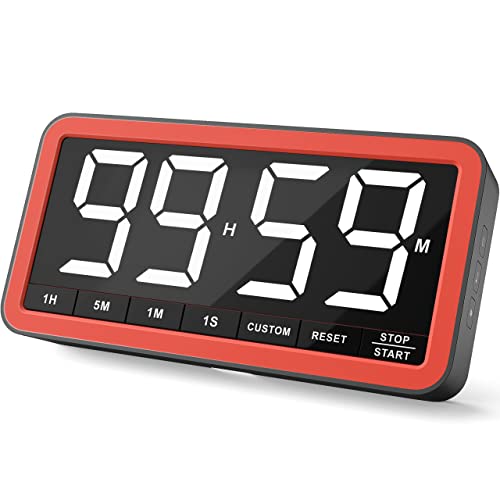
VOCOO Digital Kitchen Timer with 7.8” Extra Large Display, Magnetic LED, with 3 Brightness, 4 Alarms and 3 Volume Levels, Battery Powered Countdown Count Up Timer for Cooking, Classroom, Home Gym
Your Classroom & Kitchen Command Center – Take back control of your teaching or cooking time. The extra-large…
As an affiliate, we earn on qualifying purchases.
As an affiliate, we earn on qualifying purchases.
Frequently Asked Questions
How Do Timeboxes Impact Team Creativity and Spontaneity?
Timeboxes can enhance your team’s creativity by providing clear creative constraints, which encourage focused thinking within set limits. While they may seem to restrict spontaneity, they often foster a spontaneous flow of ideas by forcing rapid decision-making and prioritization. You’ll find that timeboxes help your team stay energized and productive, balancing structure with enough flexibility to spark innovative ideas without getting bogged down in endless discussion.
What Are the Best Tools for Managing Conversation Time Limits?
Think of tools like Toggl, Clockify, or Microsoft Teams to manage conversation time limits. You set clear agenda points and track the discussion, ensuring it stays productive. These tools act like a captain steering the ship, keeping conversations on course. With features for conversation tracking and agenda setting, you can prevent meetings from drifting into unproductive waters, maintaining focus, and respecting everyone’s time.
How Do You Handle Conversations That Need More Time?
When a conversation needs more time, you should set clear expectations about extending the dialogue. Politely acknowledge the importance of the topic and suggest scheduling a follow-up if needed. Maintain emotional boundaries by gently steering the discussion back if it becomes too intense or unproductive. Remember, it’s okay to pause and continue later, ensuring both parties stay comfortable and the conversation remains constructive.
Can Timeboxing Be Effective in Remote or Asynchronous Teams?
Yes, timeboxing can be highly effective in remote or asynchronous teams. You can set clear limits on virtual watercooler chats and asynchronous discussions, ensuring conversations stay focused and don’t drag on. By establishing specific time frames, you help team members prioritize, reduce misunderstandings, and maintain productivity. This approach encourages concise communication, making remote work more efficient while still fostering connection through intentional, timeboxed interactions.
What Are Common Mistakes to Avoid With Timeboxed Conversations?
Did you know 60% of teams struggle with timeboxed meetings? To avoid common mistakes, steer clear of overly strict boundaries that can stifle discussion. You should also neglect flexibility, which helps adapt to unforeseen issues. Instead, set clear yet reasonable limits, allowing room for natural flow. This balance keeps conversations productive without feeling rushed, ensuring your team stays engaged and effective without the pitfalls of rigid timeboxing.

Undated Weekly Planner for 2026, Forvencer Simplified Weekly & Monthly Calendar Planner, Cute Daily Organizer Notebook, Agenda Journal to Track Goals & Tasks, Start Anytime, A5 Size, Black
Undated Planner with Simple Layout: Come with 12 months of monthly and weekly pages, providing a fresh start…
As an affiliate, we earn on qualifying purchases.
As an affiliate, we earn on qualifying purchases.
Conclusion
Timeboxing conversations helps you stay focused, respect everyone’s time, and keep discussions productive. By setting clear limits, you prevent meetings from dragging on and ensure your team stays on track. Remember, “A stitch in time saves nine”—addressing issues promptly and efficiently averts bigger problems later. Embrace timeboxing as a tool to foster clarity and discipline, making your conversations more effective and your day more manageable.

Co-Active Coaching: Changing Business, Transforming Lives
As an affiliate, we earn on qualifying purchases.
As an affiliate, we earn on qualifying purchases.

Activity Log Book Notebook & Time Tracker, 5.5 x 8.5 Daily Log Book for Work, Project Management, Time Sheet, Call Log for Office, Manager Supplies, Time Management Tools, 50 Double Sided Pages
Track Time & Prioritize Tasks: This time tracker and activity log allows you to plan and document your…
As an affiliate, we earn on qualifying purchases.
As an affiliate, we earn on qualifying purchases.