
TL;DR

Turn your wind-down time into listening time
- Thousands of audiobooks, podcasts and originals
- Listen on your phone, tablet or Echo — also offline
- Cancel anytime
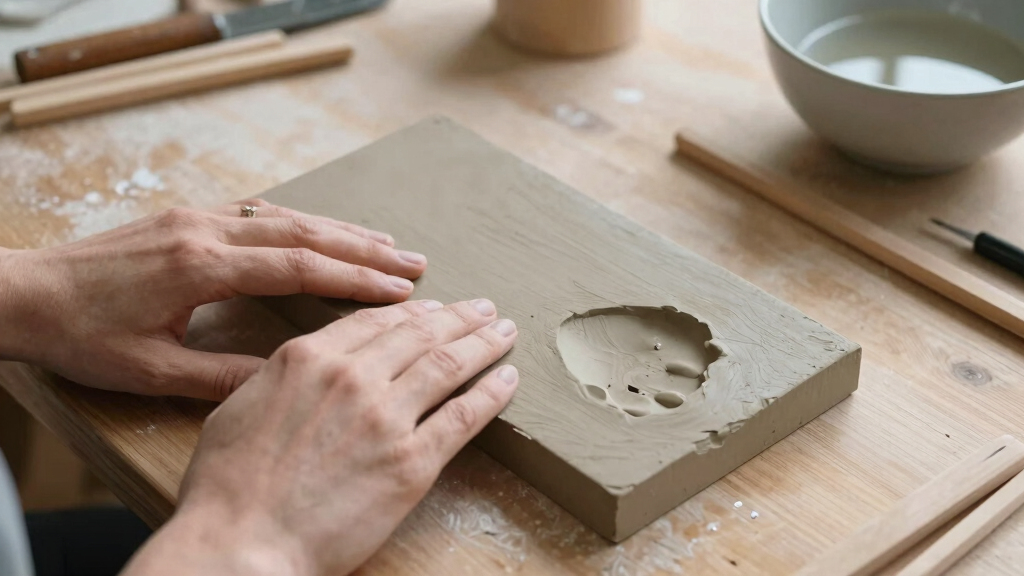
Archaeologists have discovered a clay tile in Rome that was stepped on by a toddler around 2000 years ago. This finding may be the only evidence of that child’s existence. The discovery highlights ancient daily life but details remain limited.
A clay tile in Rome, believed to be around 2000 years old, was stepped on by a toddler before it dried, and this may be the only surviving evidence of that child’s existence, according to archaeologists involved in the discovery.
The clay tile was uncovered during recent excavations in Rome, where it was identified as dating back to the early Imperial period. Experts believe the tile was still wet when the toddler stepped on it, leaving an imprint that has been preserved over centuries. The discovery was made by a team of archaeologists working on a site that revealed multiple artifacts from ancient Roman daily life. The specific age of the toddler cannot be determined, nor is there any direct evidence linking the imprint to an individual. The find is considered unique because most ancient artifacts do not preserve such personal details, making this a rare glimpse into the life of a child from that era.
Why It Matters
This discovery matters because it offers a rare, tangible connection to individual lives in ancient Rome, especially children, whose remains and personal artifacts are seldom preserved. It provides insight into everyday life and the materials used in Roman construction. The imprint could potentially help historians understand more about childhood and domestic activities during the period. Additionally, the find underscores the importance of archaeological preservation and the potential for uncovering personal stories from ancient artifacts.
Popular right now

KitchenAid 5.5-Qt Bowl-Lift Stand Mixer, Porcelain White (KSM55SXXX)

KitchenAid Classic Series 4.5-Quart Tilt-Head Stand Mixer, Onyx Black

Roborock Q7 M5+ Robot Vacuum and Mop with Self-Emptying Dock
As an affiliate, we earn on qualifying purchases.
Background
Roman archaeology has yielded many significant artifacts, but evidence of children’s everyday experiences remains scarce. This discovery adds to the limited record, which mostly includes monumental structures and adult-related items. The event is believed to have occurred during a period of active construction or domestic activity in Rome around 2000 years ago, roughly corresponding to the early 1st century CE. Previous finds have included pottery, coins, and structural remains, but personal imprints like this are exceedingly rare.
“This tiny imprint provides a unique window into the daily life of a child in ancient Rome, a rare find that could reshape our understanding of childhood in that era.”
— Dr. Lucia Romano, Roman archaeologist
“Finding an imprint like this is extraordinary; it’s like discovering a personal footprint from two millennia ago. We are eager to study it further.”
— Archaeological team lead, Marco Bianchi
What Remains Unclear
It is not yet confirmed whether the imprint definitively belongs to a specific child or if it can be conclusively linked to a particular event. The exact age and identity of the toddler remain unknown, and further analysis is needed to determine the full context of the find. Researchers are still studying the tile to understand its full significance and origin.
What’s Next
Researchers plan to conduct detailed analysis of the clay tile, including microscopic examination and possible dating techniques, to gather more information. Excavation teams will continue exploring the site for additional artifacts that could provide further context about the environment and daily life during that period. Future discoveries may shed light on the identity or circumstances of the child.
Key Questions
How do archaeologists know the tile is around 2000 years old?
Dating methods such as stratigraphy and thermoluminescence testing suggest the tile dates back to the early Imperial period of Rome, approximately 1st century CE.
Could this imprint belong to an adult instead of a child?
While possible, the size and shape of the imprint suggest it was made by a small foot, likely belonging to a toddler or young child. Precise identification is still under investigation.
What makes this discovery so rare?
Personal imprints from children in ancient artifacts are extremely rare because most organic or personal items did not survive or were not preserved. This imprint offers a rare glimpse into childhood in ancient Rome.
Will researchers be able to identify the child someday?
Currently, there is no way to identify the individual child. Further analysis of the site and artifacts might provide contextual clues, but a definitive identification is unlikely.
What does this tell us about daily life in ancient Rome?
This find indicates that children participated in everyday activities and were present at construction or domestic sites, offering a more personal perspective on Roman life beyond monumental architecture.