

TL;DR
A growing number of individuals express disgust or hatred toward humanity, driven by environmental and moral concerns. Experts suggest this stems from deep disappointment and systemic issues, raising questions about how to respond healthily.
A person expressed profound disgust with humanity, stating, “I’m disgusted to be a human,” amid concerns about environmental destruction and moral hypocrisy. This sentiment, increasingly visible in public discourse, highlights a complex emotional response to the state of the world and the human species’ actions.
The individual’s statement is part of a broader phenomenon where some people feel anger, disappointment, or loathing toward humanity, often linked to environmental degradation, climate change, and perceived moral failings. Experts note that such feelings are not new; anti-humanism has historical roots, resurfacing during times of crisis, including the current climate emergency.
Researchers and commentators suggest that these emotions often stem from systemic issues—extractionist attitudes, capitalism, and a dualistic worldview separating humans from nature—rather than from individual morality. Some movements, like the Voluntary Human Extinction Movement, explicitly advocate for reducing human impact by ceasing reproduction, reflecting extreme anti-human sentiments.
While these feelings are real and growing among certain groups, mental health professionals caution against conflating temporary despair or anger with a desire for systemic change, emphasizing the importance of constructive responses.
Why It Matters
This development matters because it signals a profound moral and emotional crisis linked to environmental and societal collapse. Understanding these sentiments is crucial for addressing mental health issues, fostering constructive dialogue, and developing solutions that reconcile human needs with ecological sustainability. It also raises questions about the future of human self-perception and societal values in a rapidly changing world.
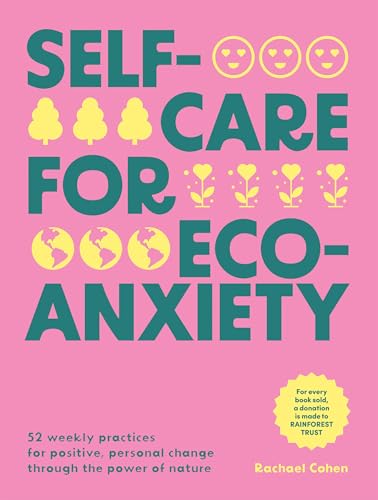
Self-care for Eco-Anxiety: 52 Weekly Practices for Positive, Personal Change Through the Power of Nature
As an affiliate, we earn on qualifying purchases.
As an affiliate, we earn on qualifying purchases.
Background
Throughout history, periods of societal upheaval and environmental catastrophe have triggered anti-human sentiments. From ancient stories of divine wrath to modern climate activism, feelings of disgust or disillusionment with humanity have recurred. The rise of hypercapitalism and extractive philosophies in the 17th century, influenced by thinkers like Descartes and Bacon, shifted Western attitudes toward nature, often viewing it as a resource to exploit. This has contributed to current systemic crises, including climate change and biodiversity loss.
Conversely, earlier philosophical traditions, such as Renaissance humanism, celebrated human life and its divine gift, emphasizing the importance of living well and appreciating our existence. The tension between these perspectives underpins ongoing debates about humanity’s role and responsibility on Earth.
“There is nothing so beautiful and legitimate as to play the man well and properly, no knowledge so hard to acquire as the knowledge of how to live this life well and naturally; and the most barbarous of our maladies is to despise our being.”
— Michel de Montaigne
“Feelings of disgust or hatred toward humanity often stem from systemic issues and moral disillusionment, not individual morality. Recognizing this can help channel these emotions into constructive change.”
— Expert commentary

Healing After Loss: Daily Meditations For Working Through Grief
- Targeted for those who experienced loss: Supports those grieving a loved one
- Provides strength and inspiration: Offers thoughtful words to uplift
- Provides comfort during grief: Helps soothe and heal emotional pain
As an affiliate, we earn on qualifying purchases.
As an affiliate, we earn on qualifying purchases.
What Remains Unclear
It remains unclear how widespread these anti-human feelings will become or whether they will lead to significant social or political movements. The emotional responses are varied, and some individuals may shift toward activism or despair, but long-term trends are still emerging.

OLLY Ultra Strength Goodbye Stress Softgels, GABA, Ashwagandha, L-Theanine and Lemon Balm, Stress Relief Supplement – 60 Count
- Product Name: OLLY Goodbye Stress Softgels
- Main Benefit: Supports relaxation and stress relief
- Key Ingredients: GABA, L-Theanine, Lemon Balm, Ashwagandha
As an affiliate, we earn on qualifying purchases.
As an affiliate, we earn on qualifying purchases.
What’s Next
Next steps include increased mental health support for those experiencing despair, dialogue about systemic reforms, and research into how these sentiments influence societal attitudes and policies. Monitoring online expressions and public discourse will help gauge whether anti-human feelings intensify or diminish.

Persian Grove Journal
- Design Features: Flowering trees and deer on matte black
- Gold Foil Accents: Outlined leaves and trees in gold foil
- Embossed Details: Adds dimensional texture
As an affiliate, we earn on qualifying purchases.
As an affiliate, we earn on qualifying purchases.
Key Questions
Is feeling disgusted with humanity common?
Such feelings have existed throughout history, often during times of crisis, and are becoming more visible today amid environmental and societal upheavals.
Can these feelings lead to harmful actions?
While intense emotions can sometimes lead to destructive behavior, mental health professionals emphasize the importance of addressing these feelings constructively and seeking support.
What can be done to address anti-human sentiments?
Fostering systemic change, promoting ecological and social responsibility, and providing mental health resources are key strategies for addressing these complex emotions.
Are movements like voluntary human extinction realistic or dangerous?
These movements are fringe and controversial, reflecting extreme responses to environmental crises; their influence remains limited but highlights the depth of some people’s despair.