

When you’re mentally exhausted from long debates or sustained effort, your brain relies more on shortcuts and familiar ideas, which can distort what you see as true. Fatigue weakens your cognitive resources, making you more likely to accept emotionally comforting or simple explanations rather than complex truths. This shift isn’t intentional but happens naturally when your mental reserves are drained. If you want to understand how to spot and counteract this effect, keep exploring the topic further.
Key Takeaways
- Argument fatigue reduces mental energy, leading to increased reliance on cognitive shortcuts and preconceived notions.
- Fatigue makes individuals more prone to accept emotionally satisfying or familiar ideas over complex truths.
- Reduced emotional resilience under fatigue heightens susceptibility to biased perceptions and uncritical acceptance.
- Prolonged exhaustion shifts focus from critical evaluation to easy-to-defend, comforting narratives.
- Awareness and metacognitive strategies can help counteract fatigue-induced distortions in truth perception.

Have you ever felt exhausted after a long debate, questioning whether anything you hear can truly be trusted? That feeling isn’t just fatigue; it’s your mind’s way of signaling that your mental resources are drained. When you engage in continuous argumentation, especially on complex or emotionally charged topics, your cognitive bias can start to influence how you interpret information. Cognitive bias, the tendency to rely on mental shortcuts or preconceived notions, becomes more prominent when your mental energy is low. As your cognitive reserves dwindle, you might unconsciously accept ideas or arguments that align with your existing beliefs, even if they’re flawed or incomplete. This shift isn’t about deliberate deception; it’s your brain’s way of simplifying a taxing process. At the same time, argument fatigue tests your emotional resilience—the capacity to manage emotional stress and maintain rational thinking under pressure. When your emotional resilience is compromised, you’re more likely to accept claims that evoke comfort or certainty rather than scrutinize their validity. This makes it easier for biased perspectives to take hold, especially when you’re tired or overwhelmed.
Over time, argument fatigue can subtly reshape what you perceive as true. You might start to trust certain sources or ideas simply because defending them feels easier than challenging them. When you’re emotionally drained, your judgment becomes clouded, and you rely more heavily on mental shortcuts, like trusting familiar voices or popular opinions. This process can lead to a skewed perception of truth, where what feels easier or more emotionally satisfying is accepted over what’s logically sound. It’s a cycle—your cognitive bias and diminished emotional resilience reinforce each other, pushing you toward accepting simpler, more emotionally comforting narratives rather than nuanced, complex truths. Recognizing this dynamic is crucial because it highlights how argument fatigue isn’t just about feeling tired; it’s about how your mind adapts under stress, often at the expense of critical thinking. Building awareness helps you question why you accept certain ideas, preventing fatigue from shaping your beliefs more than they should be. Additionally, understanding the role of cognitive bias in this process can help you develop strategies to counteract these mental shortcuts, such as metacognitive awareness or deliberate reflection.

First Cognitive Bias Training: Three hours to eliminate brain distortions (Japanese Edition)
As an affiliate, we earn on qualifying purchases.
As an affiliate, we earn on qualifying purchases.
Frequently Asked Questions
Can Argument Fatigue Affect Decision-Making Outside of Debates?
Yes, argument fatigue can affect your decision-making outside of debates. When you experience cognitive overload and emotional exhaustion from constant arguing, your ability to think clearly diminishes. You might become more susceptible to accepting simpler or emotionally charged ideas as truth, rather than analyzing them thoroughly. This fatigue clouds judgment, leading you to make decisions based on incomplete information, emotional bias, or exhaustion rather than careful reasoning.
How Can You Recognize When You’re Experiencing Argument Fatigue?
Noticing your nerves numb and your thoughts twist is key. When cognitive overload causes confusion and emotional exhaustion leaves you feeling drained, you’re likely experiencing argument fatigue. You might feel less patient, more dismissive, or find it harder to concentrate. If you notice these signs, take a step back, breathe deeply, and give yourself time to recharge. Recognizing these cues helps you protect your peace and regain clarity.
Does Argument Fatigue Impact All Types of Beliefs Equally?
Argument fatigue doesn’t impact all beliefs equally. You’re more likely to experience belief perseverance with deeply held convictions, making you resistant to change despite fatigue. Confirmation bias also plays a role, as you tend to seek information that supports your existing beliefs, reinforcing them even when tired. Fatigue can weaken your critical thinking, but your core beliefs often remain intact, especially if they’re strongly ingrained or emotionally charged.
What Strategies Help Reduce Argument Fatigue Over Time?
To reduce argument fatigue over time, you should practice mindful listening, which helps you stay present and avoid emotional overload. Focus on emotional regulation by taking deep breaths or pausing before responding, preventing frustration from building up. Set boundaries to limit debates, and prioritize understanding over winning. These strategies help conserve your mental energy, making it easier to engage thoughtfully without feeling drained or overwhelmed during ongoing discussions.
Can Argument Fatigue Lead to Increased Openness to New Ideas?
Yes, argument fatigue can make you more open to new ideas. When you’re cognitively exhausted and emotionally detached from ongoing debates, you’re less invested in defending old beliefs. This mental state reduces resistance to change, encouraging you to explore alternative perspectives. As fatigue sets in, you might accept new ideas more readily, seeking mental relief and avoiding further emotional strain.

Do Hard Things: Why We Get Resilience Wrong and the Surprising Science of Real Toughness – A Psychology Book on Mindfulness and Internally Motivated Success
- Embrace Reality: Ditch the façade for authenticity
- Listen to Your Body: Tune into internal cues
- Respond Thoughtfully: React with intention
As an affiliate, we earn on qualifying purchases.
As an affiliate, we earn on qualifying purchases.
Conclusion
As argument fatigue festers, you might find yourself accepting absurd assertions and abandoning your beliefs. The relentless repetition dulls your discernment, dulling your desire to debate and decide. Don’t let fatigue fool your focus—fight it! Keep questioning, keep clarifying, and stay committed to your convictions. By battling burnout, you bolster your beliefs and brighten your understanding, preventing fatigue from fooling your fundamentals. Stay sharp, stay skeptical, and safeguard your sense of truth.
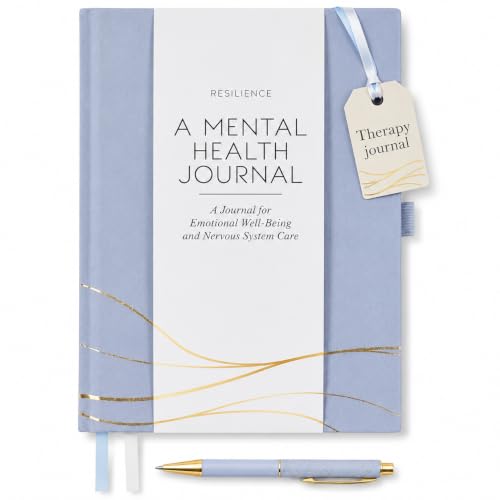
Mental Health Journal for Anxiety & Nervous System Regulation Guided Prompts
- Nervous System Education: Includes nearly 100 pages of nervous system insights
- Guided Daily Pages: 90 undated pages for tracking and regulation
- No-Guilt Flexibility: Undated format allows missed days without guilt
As an affiliate, we earn on qualifying purchases.
As an affiliate, we earn on qualifying purchases.

The Basics of Critical Thinking Workbook – Lessons and Activities (Grades 4-9)
As an affiliate, we earn on qualifying purchases.
As an affiliate, we earn on qualifying purchases.