

The ‘You Owe the Family’ narrative makes you believe your needs come second to family obligations, trapping you in guilt and exhaustion. You might feel pressured to sacrifice your dreams or mental health for family harmony, often believing that setting boundaries is selfish. This mindset keeps you stuck in a cycle of pleasing others while neglecting yourself. Recognizing these ingrained norms can help you challenge expectations and find balance—if you keep exploring, more insights await.
Key Takeaways
- The narrative enforces unspoken obligations that prioritize family needs over personal well-being, leading adults to neglect themselves.
- Societal norms reinforce the idea that “family comes first,” discouraging boundary-setting and personal boundaries.
- It distorts self-worth, causing guilt and resentment when adults pursue personal goals or needs.
- Challenging these ingrained expectations is difficult due to cultural conditioning, making adults feel responsible for family’s happiness.
- This narrative traps adults in a cycle of sacrificing their aspirations, resulting in emotional exhaustion and unfulfilled lives.

Have you ever felt pressured to prioritize family needs over your own goals and well-being? That’s the core of the “You Owe the Family” narrative—an unspoken rule that binds many adults to put family expectations ahead of themselves. It’s easy to fall into this trap because emotional obligations are powerful. Family members, especially those who raised you or are considered the family’s backbone, often create an environment where your sense of duty feels overwhelming. You might find yourself constantly trying to meet their needs, sometimes at the expense of your personal aspirations or mental health. This narrative suggests that your worth is tied to how much you give to your family, which can be exhausting and limiting.
This mindset fosters a sense of obligation that’s hard to shake. You’re told that family always comes first, that your sacrifices are necessary and noble. The problem is, these expectations can distort your understanding of your own needs. Instead of seeing your goals as valid and important, you might see them as secondary or even selfish. Over time, this imbalance creates emotional strain. You may feel guilty for wanting something different or for prioritizing yourself, reinforcing the idea that your happiness is less essential. The weight of these emotional obligations can make you feel trapped in a cycle of pleasing others, always sacrificing your well-being to uphold family harmony. Recognizing that these social norms are often reinforced subtly can help you see that they are not immutable.
What makes this narrative particularly insidious is how it’s reinforced through subtle messages and societal norms. Family expectations are often taken for granted, seen as natural or inevitable. You might hear phrases like “family comes first” so often that you accept them without question. This can lead to a reluctance to set boundaries or pursue personal interests, because doing so might feel like betrayal or neglect. The emotional obligation becomes a silent contract—you give, and in return, you’re supposed to receive love and acceptance. But when your needs are consistently sidelined, it’s easy to feel resentful or unfulfilled. Recognizing that these societal messages are part of a social norm can help in challenging their influence. Additionally, understanding that these norms are culturally constructed can empower you to redefine your boundaries. Understanding the role of social norms can be crucial in breaking free from these ingrained beliefs.
Breaking free from this narrative requires recognizing that your well-being isn’t selfish. You’re not abandoning your family by prioritizing your goals, but rather, you’re honoring your own emotional health. It’s vital to challenge these ingrained expectations and redefine what family support looks like. You don’t have to carry the weight of everyone’s needs alone. Instead, you can foster a healthier balance where your aspirations are valued just as much as your family’s demands. Recognizing the importance of personal boundaries is essential to creating this shift. Cultivating a healthy support system outside of family can also provide emotional relief and new perspectives. Ultimately, understanding that you owe yourself kindness and respect is the first step toward liberation from this limiting story.
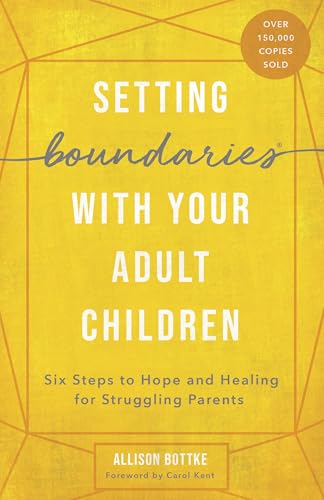
Setting Boundaries with Your Adult Children: Six Steps to Hope and Healing for Struggling Parents
As an affiliate, we earn on qualifying purchases.
As an affiliate, we earn on qualifying purchases.
Frequently Asked Questions
How Does This Narrative Impact Adult Children’s Mental Health?
You might feel overwhelmed by the guilt dynamic, leading to constant emotional burdens you can’t easily shake. This narrative pressures you to prioritize family needs over your own, causing anxiety and stress. As a result, your mental health can suffer, making it harder to set boundaries or pursue personal goals. Recognizing this pattern helps you break free, easing the emotional load and restoring your well-being.
Can This Mindset Hinder Personal Growth and Independence?
Imagine a chain holding you back, each link labeled with guilt and obligation. This mindset can definitely hinder your personal growth and independence by blurring individual responsibility and eroding personal boundaries. When you feel trapped in the ‘You Owe the Family’ narrative, you might avoid making choices that serve your best interests, fearing guilt or disapproval. Breaking free requires recognizing your autonomy and establishing clear boundaries to grow confidently.
What Cultural Factors Reinforce the ‘You Owe the Family’ Narrative?
Cultural factors like strong cultural obligations and deep familial loyalty reinforce the ‘you owe the family’ narrative. You might feel compelled to prioritize family needs over your own, believing loyalty demands sacrifice. In many cultures, filial piety and respect for elders emphasize duty and obligation, making it difficult to challenge expectations. This environment keeps you anchored to family responsibilities, sometimes at the expense of your personal growth and independence.
How Can Adults Reclaim Their Autonomy From Family Expectations?
Breaking free from family expectations is like cutting loose from chains. You can reclaim your autonomy by setting clear boundaries and respecting your personal boundaries. Communicate openly about what you need and what feels right for you. It’s essential to prioritize your well-being, making choices based on your values. With consistent boundary setting, you’ll gradually strengthen your independence, allowing you to live authentically beyond the weight of familial pressure.
Are There Long-Term Consequences of Constantly Feeling Obligated?
Constantly feeling obligated can lead to emotional burdens that weigh heavily on you over time. These feelings can strain relationship dynamics, making interactions feel forced or resentful. You might start to feel disconnected from your true self, which affects your mental health and overall well-being. Long-term, this persistent sense of obligation can diminish your happiness, create stress, and hinder genuine connections with loved ones.

Worry for Nothing: Guided Anxiety Journal, Cognitive Behavioral Therapy Mental Health Journal, Anxiety Relief & Self Care, Journal for Men & Women, Mental Health Gifts
IMPROVES MENTAL HEALTH: Use this journal to improve mindfulness, uncover triggers, track physical and emotional sensations, document your…
As an affiliate, we earn on qualifying purchases.
As an affiliate, we earn on qualifying purchases.
Conclusion
Breaking free from the ‘you owe the family’ narrative is like releasing a tether that’s kept your spirit anchored. Your independence is a lighthouse, guiding you away from stormy seas of obligation. As you drift toward your own truths, remember that family is a garden—nurture it with love, not guilt. Let go of the weight, and watch yourself soar like a bird unbound, finally free to chart your own sky.

Reinvent Yourself at Any Age: A Step-by-Step Guide to Rediscovering Purpose and Embracing Change for Midlife Renewal (Virversity Online Courses: Personal Development)
As an affiliate, we earn on qualifying purchases.
As an affiliate, we earn on qualifying purchases.

ADHD Daily Planner with Hardcover for Men & Women ,Productivity Planner & Undated Task Management Organizer Daily Schedule,Self-Care,To-Do List for Neurodivergent Adults, Focused Planners Cardboard Cover for Adult & Teens – Green Leaves
Stay Organized and Focused: This planner is specifically designed to help individuals with ADHD or busy lifestyles prioritize…
As an affiliate, we earn on qualifying purchases.
As an affiliate, we earn on qualifying purchases.