

Manipulators frame your boundaries as attacks to gain control and weaken your confidence. They do this by making you doubt your feelings, twisting your words, and insisting your limits are overreactions or hostility. This tactic shifts blame onto you, creates guilt, and keeps you defensive. By undermining your sense of self, they make it harder for you to stand firm. If you want to understand how to recognize these tricks and protect yourself, keep exploring the patterns behind their behavior.
Key Takeaways
- Manipulators aim to undermine your confidence and make you doubt your needs.
- Framing boundaries as attacks shifts blame and avoids accountability for their behavior.
- They use emotional coercion to discourage you from enforcing boundaries.
- This tactic keeps you defensive, questioning the legitimacy of your feelings and limits.
- Ultimately, it helps manipulators maintain control and dominance in the relationship.

Manipulators often frame boundaries as attacks to undermine your confidence and control. They want you to doubt yourself and feel guilty for setting limits, making it easier for them to manipulate your actions. When you try to establish a boundary, they might respond with gaslighting tactics, insisting that you’re overreacting or imagining things. They twist your words, making you question whether your feelings are valid. This form of emotional coercion wears down your sense of self, convincing you that your boundaries are unreasonable or unjustified. Over time, this erodes your confidence, and you start second-guessing your judgment, which makes it easier for them to control the situation. Recognizing these tactics is crucial to maintaining your mental clarity and asserting your needs confidently.
Manipulators distort your boundaries to undermine confidence and maintain control through gaslighting and emotional coercion.
Gaslighting tactics are particularly effective because they distort your perception of reality. When a manipulator claims that your boundary is an attack, they are planting doubt in your mind about your own needs and feelings. You might hear things like, “You’re too sensitive,” or “You’re overreacting,” designed to make you feel guilty for simply trying to protect yourself. This emotional coercion aims to weaken your resolve and keep you compliant. By framing your boundary as an attack, they shift the focus from their behavior to your supposed hostility or irrationality, making it seem like you’re the problem. This tactic not only shifts blame but also discourages you from standing up for yourself again. Additionally, this tactic can be reinforced by emotional manipulation, further complicating your ability to recognize the pattern. Recognizing these tactics involves understanding how manipulative behaviors are used to control perceptions and distort reality.
The reason manipulators use this approach is that it keeps you on the defensive, constantly questioning your right to set limits. They want you to feel like you’re attacking them, even when you’re just asserting your needs. Instead of seeing your boundary as a healthy response, you may start to see it as an attack, which makes you hesitant or fearful to enforce it. This emotional coercion often involves subtle intimidation, making you feel guilty or anxious without explicitly threatening you. Over time, this pattern of behavior can make you feel isolated, confused, and powerless. Recognizing these tactics can help you reclaim your confidence and stand firm in your boundaries despite their attempts to make you feel guilty or unreasonable. Understanding the tactics used by manipulators can also serve as a protective barrier against emotional exploitation.
Ultimately, manipulators frame your boundaries as attacks because it serves their goal of maintaining control. They understand that a confident person who respects their own limits is harder to dominate. By using gaslighting tactics and emotional coercion, they aim to make you doubt your own perceptions, so you’re more likely to accept their narrative. Recognizing these tactics is essential for reclaiming your confidence and standing firm in your boundaries, despite their attempts to make you feel guilty or unreasonable. Remember, your boundaries are valid—no matter how much they try to distort them.

Set Boundaries, Find Peace: A Guide to Reclaiming Yourself
As an affiliate, we earn on qualifying purchases.
As an affiliate, we earn on qualifying purchases.
Frequently Asked Questions
How Can I Recognize Manipulative Boundary Framing Early?
You can recognize manipulative boundary framing early by developing emotional awareness and assertiveness skills. Notice when someone responds defensively or dismissively to your boundaries, often claiming you’re overreacting or attacking them. Pay attention to subtle guilt-trips or shifting blame, which signal manipulation. Trust your instincts and practice assertiveness—politely reinforce your boundaries without backing down. Over time, you’ll become more attuned to these tactics and better at setting healthy limits.
What Are Common Tactics Manipulators Use to Distort Boundaries?
Manipulators distort boundaries through tactics like emotional exploitation, guilt induction, and shifting blame. They twist your words, making you feel responsible or selfish for setting limits. They use silence, accusations, or flattery to gain control, aiming to undermine your confidence. By exploiting your emotions and inducing guilt, they convince you that your boundaries threaten the relationship, prompting you to abandon your limits to avoid conflict or shame.
How Do Manipulators Justify Crossing Boundaries Afterward?
Manipulators justify crossing boundaries by using emotional manipulation and gaslighting tactics. They often make you doubt your feelings or perceptions, claiming you’re overreacting or too sensitive. By twisting the situation, they make you feel guilty or irrational, which shifts blame onto you. This way, they avoid accountability and continue their behavior, convincing you that your boundaries are unjustified or that you’re the problem, even when you’re simply asserting your needs.
Can Boundary Framing Be Unintentional, or Is It Always Deliberate?
Unintentional framing can happen when your emotional reactions unintentionally cast boundaries in a negative light. Sometimes, you might not realize you’re signaling discomfort, and others interpret it as an attack. While manipulators often do this deliberately, unintentional framing occurs when someone’s words or actions are misaligned with their true intent, leading to misunderstandings. Pay attention to your feelings and communication style to avoid unintentional boundary framing.
What Are Effective Strategies to Respond to Boundary Framing?
To respond effectively to boundary framing, use assertive communication and emotional intelligence. Stay calm, acknowledge their perspective, and clearly restate your boundary without escalating. Focus on your feelings and needs, and avoid blame or defensiveness. By calmly explaining why your boundary matters, you reinforce respect and understanding. Practice active listening, stay assertive, and maintain self-awareness to handle manipulative framing confidently and protect your boundaries.

The Assertiveness Workbook: How to Express Your Ideas and Stand Up for Yourself at Work and in Relationships
As an affiliate, we earn on qualifying purchases.
As an affiliate, we earn on qualifying purchases.
Conclusion
So, next time someone calls your boundary-setting an attack, remember—they’re just mastering the art of manipulation. Ironically, it’s your clear limits that threaten their control, not your intention to protect yourself. By defending your boundaries, you’re actually defending your peace. Don’t be fooled into thinking you’re the problem; they’re just skilled at turning your strength into a perceived offense. Keep standing firm—your boundaries aren’t the attack, but their worst nightmare.
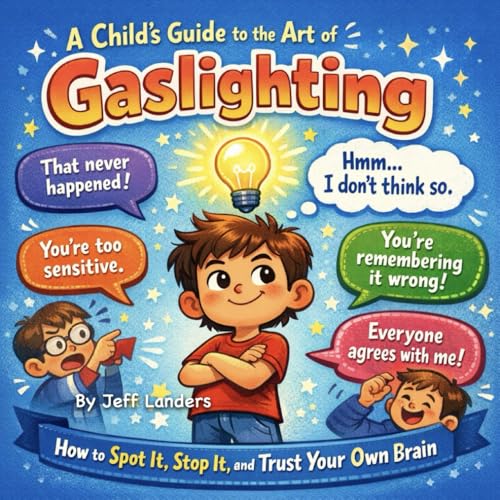
A Children's Guide to Gaslighting
As an affiliate, we earn on qualifying purchases.
As an affiliate, we earn on qualifying purchases.

Self Confidence for Tween Girls: 5 Confidence Tools to Build a Positive Self-Image, Improve Social Skills, Become Stronger, and Find Your Own Unique Style
As an affiliate, we earn on qualifying purchases.
As an affiliate, we earn on qualifying purchases.