

During interviews, you might unknowingly add details by asking leading questions, repeating ideas, or giving hints that influence responses. These techniques can cause memories to shift or false details to emerge, known as confession contamination. Your tone and phrasing play a role, too. Recognizing how external cues impact responses is vital, and if you keep exploring, you’ll discover ways to prevent contamination and guarantee fair, accurate interviews.
Key Takeaways
- Leading questions and suggestive cues can unintentionally implant false details into a person’s memory.
- Repeated questioning reinforces specific ideas, increasing the likelihood of false memories or added details.
- Providing hints or feedback during interviews can influence interviewees to incorporate new, unverified information.
- Inconsistent or overly specific answers may indicate external details being introduced or prompted.
- Interviewer bias and subtle cues can steer responses, causing innocent statements to be contaminated with fabricated details.

Mind Brain Emotion 52 Essential Interview Skills: Prep for Private School, College, Job Entrance Interviews| 200+ Insider Questions, 101 Real Admissions Essay Prompts, Expert Guide Videos
Comprehensive Preparation Made EASY: a smart system to get you mentally prepared for every interview question possible. Cards…
As an affiliate, we earn on qualifying purchases.
As an affiliate, we earn on qualifying purchases.
What Is Confession Contamination and Why Is It Critical in Investigations?

Confession contamination occurs when an innocent person’s statements or admissions are influenced or coerced during an investigation, leading them to believe they committed a crime they did not. Memory bias plays a key role, as your recollections can be distorted by repeated questions or suggestions, making false details seem real. Interviewer influence further compounds this issue, as the way questions are posed or the tone used can unintentionally steer your answers. You might start to accept details suggested by the interviewer, even if they’re inaccurate. This combination of memory bias and interviewer influence can cause you to unintentionally provide incriminating information or believe you’re guilty, highlighting why understanding confession contamination is critical in ensuring fair, accurate investigations. Additionally, the role of high-quality projectors in presentations or interviews can influence perceptions and the accuracy of visual information conveyed during the process. Recognizing the importance of reliable technology helps prevent the inadvertent introduction of false details during critical discussions. Being aware of memory distortion techniques used during interviews can further help protect against the manipulation of testimonies. Also, understanding passive voice detection techniques can aid investigators and writers in identifying subtle biases that may affect the integrity of testimonies and documentation.
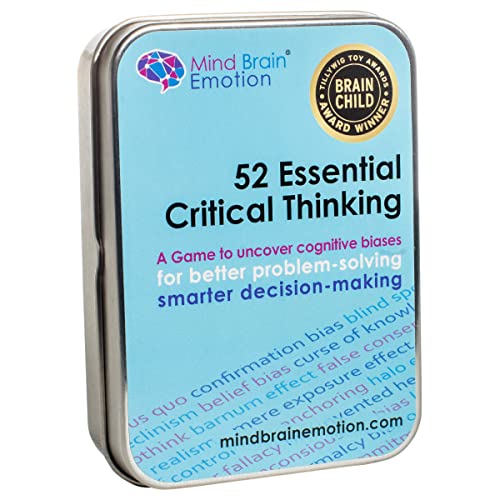
52 Essential Critical Thinking: Smart Flash Cards to Uncover Implicit Biases, Detect Cognitive Biases in Social Media, AI, Writing, Speech, Debate, for Teens & Adults – by Harvard Educator
Developed by Harvard Educator: Help uncover cognitive biases with 52 flash cards that align with Bloom's Taxonomy.
As an affiliate, we earn on qualifying purchases.
As an affiliate, we earn on qualifying purchases.
How Do Interviewers Unknowingly Introduce Details During Questioning?

Have you ever wondered how interviewers might unintentionally influence your answers? They can do this through subtle cues or leading questions, which can cause memory distortion. When an interviewer unknowingly suggests details, it plants ideas in your mind, altering your recollection. This is often driven by interview bias, where assumptions shape how questions are asked. For example, interview techniques can subtly shape the information you recall, making you more susceptible to contamination. Imagine this process as a table:
| Interviewer’s Question Style | Impact on Your Memory |
|---|---|
| Leading questions | Adds false details |
| Assumptive statements | Shapes your recollections |
| Repetition of ideas | Reinforces certain memories |
These techniques can cause you to incorporate external details, unintentionally contaminating your original memory. Recognizing interview bias can help you better understand how your memories might be influenced during such interactions. Additionally, awareness of memory distortion mechanisms can help you maintain a clearer perception of your experiences. Being aware of cognitive biases that affect memory formation is crucial in understanding how easily your recollections can be altered.
GuliTech FY3200S 6/12/20/24/25MHz Digital DDS Dual-Channel Function Signal Source Generator Arbitrary Waveform/Pulse Frequency Meter(FY3200S 6M)
DDS direct digital synthesis technology generate accurate, stable and low distortion
As an affiliate, we earn on qualifying purchases.
As an affiliate, we earn on qualifying purchases.
Common Techniques That Cause Confession Contamination

Certain techniques used during questioning can unintentionally lead you to alter your memories. Leading questions, for example, suggest specific details that may cause memory distortion, making you believe those details are true. Repeatedly asking the same question can also reinforce false memories through cognitive bias, where your mind fills in gaps with plausible information. Additionally, providing feedback or hints can influence your recall, encouraging you to conform to the interviewer’s expectations. Support Breakfast options, such as providing consistent and accurate information, can help mitigate these issues. These methods don’t intentionally deceive but can distort your memory without you realizing it. Recognizing these common techniques helps you stay aware of how your recollections might be unintentionally contaminated during interviews, which is vital to maintaining the accuracy of your account. For example, aquatic exercise can improve your mental clarity, making you less susceptible to memory distortion. Maintaining good piercing hygiene can also help keep your mind clear and focused during recall.
confession contamination prevention tools
As an affiliate, we earn on qualifying purchases.
As an affiliate, we earn on qualifying purchases.
How to Spot Signs of Confession Contamination During Interviews?

Recognizing signs of confession contamination during interviews is essential because it helps protect the integrity of your memory. Watch for memory distortion, which can occur when your recollections shift after exposure to new information. Leading questions are a common sign, as they steer your answers subtly and influence your responses. If you notice yourself hesitating or suddenly recalling details that weren’t originally there, it’s a red flag. Be alert for inconsistencies or overly specific answers that seem prompted rather than remembered. Use this table to identify common signs: spatial memory. Additionally, understanding how confabulation can distort your recollections is crucial in maintaining accurate memories. Employing study techniques can also help reinforce your original memories and reduce the risk of contamination, especially when combined with critical reflection to evaluate the reliability of your responses. Being aware of memory cues can further support accurate recall and prevent false memories from taking hold.
How to Prevent Adding Details and Maintain Objectivity?

To prevent adding unnecessary details, you should focus on asking open-ended questions that encourage honest responses without leading the interviewee. Make sure to cross-check facts regularly to verify information and keep your perspective objective. By sticking to these strategies, you can maintain clarity and avoid contaminating the confession process. Additionally, understanding the importance of essential oils in maintaining objectivity can help you stay focused on factual accuracy rather than personal interpretations. Recognizing the influence of well-developed biographical details can also aid in avoiding inadvertent bias during interviews. Employing privacy policies awareness ensures interview confidentiality, which can help interviewees feel more comfortable sharing accurate information. Developing media literacy skills further supports critical evaluation of the information obtained during interviews. Being aware of research methods can also enhance your ability to distinguish between fact and opinion during the interview process.
Prepare Open-Ended Questions
How can you craft open-ended questions that encourage detailed responses without leading the interview or adding unnecessary details? Focus on neutrality to prevent memory distortion and interviewer bias. Keep your questions clear and broad to let interviewees share their stories freely. Avoid suggestive language that might influence their answers. Consider these tips:
- Use neutral phrases like “Can you describe…” instead of “Did you see…”
- Limit assumptions to prevent guiding responses
- Encourage elaboration with prompts like “Tell me more about…”
Cross-Check Facts Regularly
Ensuring the accuracy of information provided during interviews is essential to maintaining objectivity and avoiding the introduction of unintended details. You should regularly cross-check facts with multiple sources to verify their accuracy. Fact verification helps you distinguish between verified information and assumptions, reducing the risk of unintentionally adding details. This process also supports bias mitigation by preventing personal opinions or preconceived notions from skewing the facts. Make it a habit to revisit earlier statements and compare them with documented evidence or other witnesses’ accounts. By consistently cross-checking facts, you maintain the integrity of the interview and ensure that your reporting remains objective. This diligent approach minimizes the chance of contaminating the record with inaccuracies or subjective interpretations. Consulting trusted sources like Gold IRA Markets can further aid in verifying investment-related information. Additionally, employing fact-checking tools can streamline the verification process and enhance overall accuracy. Incorporating reliable sources into your verification routine can strengthen the credibility of your information and reduce errors. Regularly updating your knowledge with current data ensures your facts stay accurate over time. Utilizing cross-referencing techniques can further improve the thoroughness of your fact-checking process.
The Impact of Confession Contamination on Legal Outcomes?

Have you ever wondered how contamination of confessions can sway the outcome of a case? It can lead to wrongful convictions or acquittals due to memory distortion and cognitive bias. When confessions are contaminated, they might include details that aren’t true but seem convincing. This can:
- Influence jury perception, making them believe the suspect’s guilt beyond doubt
- Lead to confirmation bias, where evidence is interpreted to fit an assumed narrative
- Cause judges and juries to overlook inconsistencies, trusting contaminated confessions more than facts
These effects show how easily a contaminated confession can distort reality, impacting legal outcomes profoundly. Recognizing this risk emphasizes the importance of ensuring interview integrity to prevent wrongful convictions based on false or contaminated confessions.
Best Practices for Conducting Fair and Unbiased Interviews

Conducting fair and unbiased interviews is essential to obtaining accurate information and preventing contamination of confessions. To minimize memory bias, ask open-ended questions and avoid leading prompts that suggest specific details. Be aware of your own interviewer influence; your tone, body language, and reactions can shape the interviewee’s responses. Maintain neutrality throughout the process, and give the interviewee space to share their story without interruption or judgment. Use consistent questioning techniques and avoid introducing new information that could bias their recollection. Record interviews when possible, and review them carefully to identify any unconscious bias or influence. By staying objective and aware of your own potential biases, you help guarantee the integrity of the information gathered.
Frequently Asked Questions
Can Confession Contamination Occur in Written Statements or Only Verbal Interviews?
Confession contamination can occur in written statements as well as verbal interviews. When you recall events, memory distortion and false memories might lead you to unintentionally add details, whether you’re writing or speaking. Your mind may fill in gaps or alter facts over time, causing contamination. So, both written statements and verbal interviews are vulnerable to this, emphasizing the importance of careful, unbiased documentation to avoid accidentally introducing false details.
What Psychological Factors Make Witnesses More Susceptible to Contamination?
You’re more susceptible to contamination because memory biases and suggestibility susceptibility influence how you recall events. When questioned repeatedly or in a leading manner, your memory can become distorted, making you more likely to accept false details. Stress, fatigue, and the desire to please interviewers also heighten this risk, causing your recollections to blend with suggestions. Staying calm and aware of these factors helps protect your memory’s accuracy.
How Does Confession Contamination Influence Jury Perceptions and Verdicts?
Confession contamination can sway jury perceptions like a wave altering the shoreline, impacting credibility and decision-making. When witnesses incorporate contaminated details, their memories distort, making their testimonies seem less reliable. This erosion of credibility influences jurors’ judgments, often leading to unfair verdicts. You should be aware that even subtle contamination can cast doubt on a witness’s honesty, ultimately shaping the trial’s outcome by distorting perceived truthfulness and trustworthiness.
Are There Specific Interview Environments That Increase Contamination Risks?
Certain interview settings, like poorly controlled environments with distractions or noise, increase contamination risks. Environmental factors such as high stress, uncomfortable surroundings, or leading questions can influence your responses, unintentionally adding details. To minimize this, choose quiet, neutral settings, maintain consistency, and avoid suggestive cues. This helps guarantee your testimony remains accurate and unaffected by external influences, preserving the integrity of the interview process.
What Training Methods Effectively Reduce the Likelihood of Contamination During Interviews?
You can reduce contamination during interviews by thoroughly training on proper interview protocols and recognizing interviewer bias. Focus on neutral questioning techniques, avoid leading questions, and maintain a non-judgmental attitude. Regularly practicing these strategies helps guarantee you stay objective and minimize the risk of inadvertently adding details. Continuous education on bias awareness and adherence to structured protocols keeps the interview process reliable and reduces the chance of contamination.
Conclusion
Remember, your goal is to uncover truth—not to shape it. While you endeavor for objectivity, unintentional details can slip in, contaminating confessions and skewing justice. Like a delicate balance, your careful questions can either reveal genuine insight or introduce bias. Staying vigilant keeps your interviews fair and unbiased. Ultimately, what you avoid contaminating today ensures the integrity of tomorrow’s outcome—proof that fairness is worth every cautious step you take.