

When your conversations start feeling more like courtrooms than loving exchanges, you may notice defensive questions, increased suspicion, or abrupt tone shifts. These often stem from insecurity, trust issues, or fear of vulnerability. Recognizing these triggers helps you respond with empathy and create emotional safety. Asking open, gentle questions without sounding accusatory and practicing active listening can transform tension into openness. If you want to learn how to nurture trust and keep communication healthy, keep exploring more solutions here.
Key Takeaways
- Recognize the shift from genuine dialogue to interrogation by monitoring tone, questions, and body language.
- Address underlying insecurities and trust issues to create a safer emotional environment.
- Use active listening, validation, and open-ended questions to foster open and non-defensive communication.
- Avoid accusatory language and defensiveness by maintaining relaxed body language and calm tone.
- Seek external help if recurring conflicts reveal patterns of suspicion and emotional safety breaches.
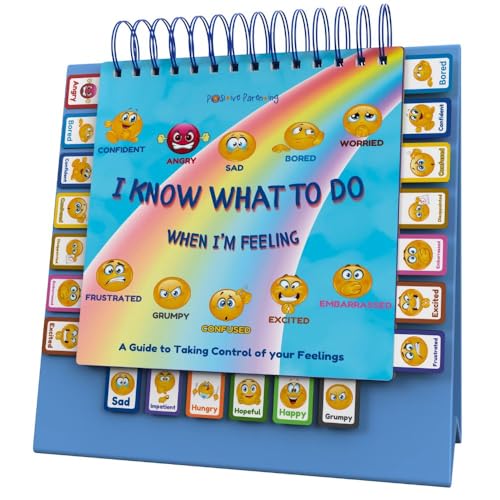
Thought-Spot I Know What to Do Flipbook | Emotions Wheel & Feelings Chart | Emotional Regulation Tool for Home, Class, or Calm Down Corner | Helps Kids Learn Coping Skills | Autism Must-Have
- Emotion Recognition for Kids: Helps children identify and name feelings
- Builds Emotional Vocabulary: Supports communication and social skills
- Coping Strategies Included: Provides calming and self-regulation ideas
As an affiliate, we earn on qualifying purchases.
As an affiliate, we earn on qualifying purchases.
How to Recognize When Your Conversations Feel Like an Interrogation

Have you ever walked away from a conversation feeling more like you were being questioned than simply sharing ideas? If so, you might be sensing that your trust boundaries are being crossed. When conversations become too probing, it can feel like an interrogation rather than a genuine exchange. Emotional openness is essential for healthy dialogue, but if your partner’s questions feel invasive or relentless, it can shut down that openness. Recognizing this shift is vital; you might notice the tone becoming more accusatory or the questions more aggressive. A conversation that feels like an interrogation often signals that your boundaries are being ignored or tested. Trust isn’t built through constant questioning but through respectful, empathetic dialogue that respects both emotional openness and individual limits. Being aware of how Free Floating can influence the flow of conversation helps to identify when boundaries are being crossed. Sometimes, horsepower of electric dirt bikes can serve as a metaphor for the energy or intensity of a conversation, highlighting how important it is to manage that energy carefully to prevent it from becoming overwhelming or invasive. Additionally, understanding the sticking wall decor concept can help you create a physical environment that fosters open communication and reduces tension. Recognizing the importance of Lifevest Advisors can also guide you in seeking professional advice to navigate complex relational issues.

Active Listening Techniques: 30 Practical Tools to Hone Your Communication Skills
As an affiliate, we earn on qualifying purchases.
As an affiliate, we earn on qualifying purchases.
What Triggers Cross-Examination Behavior in Relationships

You might notice cross-examination behavior flare up when insecurity or trust issues surface. Your partner’s communication style can also set off these probing tendencies, especially if questions feel like accusations. Recognizing these triggers helps you understand why conversations turn into interrogations. Additionally, underlying trust-building strategies can influence how these interactions unfold, emphasizing the importance of open and honest dialogue. Sometimes, feelings of vulnerability related to floating on water or emotional exposure can intensify these behaviors, making it crucial to foster a safe environment for sharing. Moreover, understanding the contrast ratio in conversations can help partners gauge the depth and clarity of their communication, reducing misunderstandings. Being aware of factors such as white noise machines that promote calmness may also help create a more secure space for meaningful discussions. Furthermore, integrating energy-efficient cloud solutions can serve as a metaphor for creating sustainable and balanced communication patterns within relationships.
Insecurity and Trust Issues
What sparks someone to scrutinize their partner more intensely? Often, jealousy triggers feelings of insecurity, pushing you to test trust boundaries. When you feel uncertain or threatened, you might start questioning your partner’s actions or motives, seeking reassurance through more frequent or detailed inquiries. These behaviors stem from underlying trust issues or past experiences that make you wary. Instead of openly communicating, you might resort to cross-examination-like questions to find certainty. This pattern can create a cycle where insecurity fuels suspicion, leading to more probing. Recognizing what triggers these tendencies helps you understand your emotional responses. Addressing jealousy triggers and setting clear trust boundaries can reduce the need for constant verification, fostering healthier interactions rooted in confidence rather than doubt. Additionally, understanding your own personality traits can help identify tendencies that contribute to such behaviors and support personal growth.
Communication Style Triggers
Communication style plays a significant role in triggering cross-examination behaviors in relationships. Your body language often reveals more than words, signaling defensiveness or suspicion that can escalate conversations into interrogations. When you display closed-off gestures or avoid eye contact, it may inadvertently trigger your partner’s need to seek reassurance or clarify. Emotional intelligence is vital here; recognizing your own feelings and understanding your partner’s cues help prevent defensive questioning. If you react with hostility or impatience, it can intensify the cycle, turning simple disagreements into cross-examinations. Being mindful of your tone, expressions, and responsiveness allows you to maintain a more open, trusting dialogue. Clear, empathetic communication reduces triggers, fostering understanding rather than suspicion. Regularly practicing preventive maintenance of your communication habits helps keep misunderstandings at bay and promotes healthier interactions. Developing awareness of emotional cues can further enhance your ability to respond appropriately and avoid unnecessary conflicts.

We! Connect Cards – Conversation Cards to Build Trust & Connection – Ideal Office Games, Ice Breakers & Educational Team Building Games – Featured by TEDx (60 Color-Coded Pieces)
- Spark Meaningful Conversations: Turns small talk into real connections
- Engaging and Fast-Paced: Ideal for meetings, workshops, classrooms
- Color-Coded for Depth: Green, blue, purple cards for different levels
As an affiliate, we earn on qualifying purchases.
As an affiliate, we earn on qualifying purchases.
How to Spot Defensive Questions and Understand Their Roots

Recognizing defensive questions can be challenging, but it’s essential for understanding underlying concerns. Defensive questions often stem from discomfort or insecurity, revealing more than the words suggest. To spot them, pay attention to:
- Body language – crossed arms, avoiding eye contact, or tense posture.
- Tone of voice – defensive questions may sound abrupt or dismissive.
- Question phrasing – loaded or accusatory language signals defensiveness.
- Emotional intelligence – understanding your partner’s feelings helps identify when they’re feeling vulnerable or misunderstood. Developing communication awareness can also aid in recognizing when someone is ‘operating defensively,’ as similar principles apply in communication dynamics. Additionally, being aware of emotional cues can help you interpret subtle signs of defensiveness more accurately, especially given how various personal backgrounds influence how individuals express discomfort.

Magicteam Sound White Noise Machine with 20 Non Looping Natural Soothing Sounds and Memory Function 32 Levels of Volume Powered by AC or USB and Sleep Sound Timer Therapy for Baby Kids Adults
- 20 Non-Looping Soothing Sounds: Includes white, brown, pink, blue noise, and nature sounds
- Adjustable Volume & Timer: 32 volume levels and multiple timer options
- Portable & Compact Design: Small size for home, office, or travel use
As an affiliate, we earn on qualifying purchases.
As an affiliate, we earn on qualifying purchases.
Practical Ways to Turn Cross-Examination Into Open Conversation

To turn cross-examination into an open conversation, you need to actively listen and show genuine curiosity. When you truly pay attention, you can respond more thoughtfully and encourage honest dialogue. This approach helps break down defenses and creates a more collaborative exchange. Paying attention to details like filter maintenance can also improve communication by ensuring clarity and reducing misunderstandings. Recognizing the importance of aviation regulations can further foster trust and transparency in your interactions. Incorporating connected appliances into conversations allows for more precise and informed exchanges, enhancing mutual understanding. Understanding comprehensive preparedness can also facilitate more engaging and informed discussions about preferences and experiences.
Embrace Active Listening Skills
Active listening transforms a tense cross-examination into a genuine conversation by showing you’re truly engaged. To do this effectively, focus on these key practices:
- Pay attention to nonverbal cues like nodding or maintaining eye contact, which signals you’re listening.
- Offer emotional validation by acknowledging feelings, such as saying, “I understand that’s difficult.”
- Use brief verbal affirmations like “I see” or “That makes sense” to encourage openness.
- Paraphrase what’s been said to confirm understanding and show you’re actively engaged.
Foster Genuine Curiosity
How can you transform a tense cross-examination into a genuine conversation? Start by cultivating genuine curiosity. Pay close attention to body language—notice when your partner leans in or relaxes—and use it as a cue to ask open-ended questions. Show emotional intelligence by acknowledging their feelings and responses without judgment, creating a safe space for sharing. Instead of sticking strictly to your script, let your curiosity guide the dialogue. Ask why they feel a certain way or what their experience was like. This approach shifts the tone from confrontational to collaborative, encouraging openness. When you demonstrate real interest and interpret nonverbal cues, you foster trust, making the conversation feel less like a court proceeding and more like an authentic exchange. Recognizing reliable, well-researched insights about communication can further help you understand the underlying reasons behind your partner’s reactions. Incorporating active listening techniques can deepen this understanding and promote mutual empathy.
Building Emotional Safety for Honest and Gentle Talks

Creating a space where honesty can flourish starts with building emotional safety. To encourage emotional vulnerability, you need to foster trust through empathetic responses. Here are four ways to do that:
- Listen without interrupting, showing genuine interest.
- Validate feelings, even if you disagree.
- Avoid judgment; focus on understanding.
- Share your own experiences to create connection.
- Incorporate sleep hygiene practices to ensure both partners are well-rested, which can improve emotional regulation and patience in conversations. Prioritizing healthy sleep habits can also reduce irritability and promote a calmer, more receptive mindset during discussions.
When you respond with empathy, you make it safe for your partner to open up. This openness helps prevent conversations from feeling like cross‑examinations and instead fosters gentle, honest dialogue. Remember, emotional safety isn’t built overnight, but consistent empathetic responses create a sturdy foundation for honest conversations. Your effort signals that their feelings are valued, which encourages deeper emotional vulnerability and trust.
Tips for Asking Questions Without Sounding Defensive

Asking questions without sounding defensive requires careful phrasing and a calm tone. Your body language and tone of voice play essential roles. Maintain open posture, avoid crossing your arms, and keep eye contact relaxed. Use a gentle tone, avoiding sarcasm or irritation, to prevent sounding confrontational. Here’s a quick guide:
| Tip | Body Language | Tone of Voice |
|---|---|---|
| Stay open and relaxed | Keep arms uncrossed, lean in slightly | Speak softly and steadily |
| Use neutral phrasing | Nod occasionally to show understanding | Avoid raising your voice |
| Pause before asking | Maintain natural eye contact | Emphasize curiosity, not judgment |
Focusing on these cues helps your questions come across as genuine, not defensive.
When to Seek Help for Patterned Interrogative Communication

Recognizing the signs that your questioning patterns may be problematic is essential for maintaining effective communication. If you notice that your interrogative style causes tension, consider seeking help. Here are four signs you should look for:
- Your partner feels defensive or withdraws during conversations
- Repeated misunderstandings escalate conflicts
- Emotional awareness is lacking, making it hard to gauge feelings
- Conversations often turn into confrontations rather than resolution
If these signs persist, consulting a counselor or therapist trained in conflict resolution can help you develop healthier communication habits. Addressing patterned interrogative communication early improves emotional awareness and fosters understanding, preventing conflicts from spiraling. Recognizing when to seek help ensures your relationship stays constructive and emotionally connected.
Creating a Positive Communication Loop in Your Relationship

Consistently fostering a positive communication loop requires intentional effort to listen actively and respond empathetically. When your partner shares their feelings, offer emotional validation to show you understand and care. This helps build trust and encourages openness. Stay focused on resolving conflicts constructively by avoiding blame and instead seeking solutions together. Practice patience and acknowledge your partner’s perspective, even if you disagree. By creating this cycle of mutual understanding, you reinforce positive interactions and prevent misunderstandings from escalating. Remember, a healthy communication loop isn’t about being perfect but about being consistent in showing empathy, validating emotions, and working collaboratively on conflict resolution. Over time, this approach nurtures a stronger, more resilient connection rooted in respect and genuine care.
Frequently Asked Questions
How Can I Tell if My Partner’s Questions Are Genuinely Caring or Controlling?
You can tell if your partner’s questions are caring or controlling by paying attention to trust issues and communication cues. If they ask out of genuine concern, they’ll listen and respect your answers. But if their questions feel invasive, repetitive, or make you feel pressured, it’s a sign of control. Trust your instincts, and observe whether their inquiries foster openness or create discomfort. Healthy communication builds trust, not fear.
What Are Subtle Signs That My Partner Feels Threatened During Conversations?
You might notice subtle signs your partner feels threatened during conversations through jealousy cues like lingering glances or defensiveness when you mention others. Silence signals, such as sudden quietness or avoiding eye contact, can also reveal discomfort or insecurity. If they become overly defensive or minimize your feelings, these are signs they’re feeling threatened. Trust your instincts and communicate openly to address these feelings before they escalate.
How Do I Approach Difficult Topics Without Triggering a Cross-Examination?
When approaching difficult topics, set clear emotional boundaries to create a safe space. Use active listening to show you’re genuinely interested in understanding your partner’s feelings without interrupting or judging. Keep your tone calm and respectful, and ask open-ended questions to encourage dialogue. This approach helps prevent the conversation from feeling like a cross-examination, fostering trust and open communication rather than defensiveness.
Can Body Language Reveal if Someone Is Feeling Defensive or Interrogated?
Yes, body language can totally spill the beans on whether someone’s feeling defensive or interrogated. Nonverbal cues like crossed arms, avoiding eye contact, or tense posture act like emotional signals screaming, “I’m not okay!” You’ll notice subtle shifts that reveal discomfort or defensiveness, making it easier to adjust your approach. It’s like reading a person’s mind—without the need for a polygraph or a courtroom drama.
What Are Effective Strategies to Rebuild Trust After Tense Interrogative Exchanges?
To rebuild trust after tense exchanges, you should practice emotional vulnerability by openly sharing your feelings and encouraging your partner to do the same. Use active listening to truly understand their perspective without interrupting or judging. Show consistent, honest behavior and patience, and avoid defensiveness. Over time, these strategies foster connection, demonstrate your commitment, and help heal the emotional wounds caused by previous misunderstandings.
Conclusion
Remember, your conversations should feel like a dance, not a courtroom trial. When you shift from interrogation to genuine curiosity, you create a safe space where love can breathe freely. Let your words be gentle melodies, not sharp cross-examinations. By approaching each other with openness and kindness, you’ll turn tense courtroom battles into heartfelt dialogues—building a relationship where trust and understanding blossom like a garden in full bloom.