

The best mental health self-help books split into two camps: science-backed guides written by clinicians, like Why Has Nobody Told Me This Before? (my top overall pick for its evidence-based toolkit), and accessible, action-oriented titles like The Let Them Theory and Stop Overthinking that trade depth for immediate usability. The main tradeoff readers face is depth versus digestibility — The Body Keeps the Score offers the deepest understanding of trauma but demands patience, while shorter, punchier books deliver quick techniques that may not address root causes. Price differences are minimal here, so the real decision is matching a book’s tone and depth to where you are right now. Keep reading for the full breakdown, including who should skip each title.

Turn your wind-down time into listening time
- Thousands of audiobooks, podcasts and originals
- Listen on your phone, tablet or Echo — also offline
- Cancel anytime
Key Takeaways
- Clinical-authority books (Why Has Nobody Told Me This Before?, The Body Keeps the Score) consistently offered deeper, more durable frameworks, while influencer-style titles (The Let Them Theory, The Subtle Art) delivered faster results with less substance.
- Overlapping titles revealed clear substitutes: Stop Overthinking, The Art of Letting Go, and Get Out of Your Head target the same rumination problem with different tones — buying more than one is usually redundant.
- Two books stood out for specific problems rather than general wellness: Set Boundaries, Find Peace for interpersonal stress and It Didn’t Start with You for generational trauma patterns.
- Unfuck Your Brain was the rare title balancing science with plain language, making it the strongest middle ground between academic and pop-psychology offerings.
- The Mountain Is You and Stop Letting Everything Affect You ranked lower for overlap with stronger picks, not for poor quality — both are better as complements than as first purchases.
| Set Boundaries, Find Peace: A Guide to Reclaiming Yourself |  | Best for Relationship-Focused Healing | Format: Paperback, hardcover, ebook, audio | Primary focus: Boundary-setting and relationships | Approach: Practical strategies with conversational scripts | VIEW LATEST PRICE | See Our Full Breakdown |
| The Body Keeps the Score: Brain, Mind, and Body in the Healing of Trauma |  | Best Deep-Dive on Trauma | Format: Paperback, hardcover, ebook, audio | Page count: Approximately 460 pages | Primary focus: Trauma’s effect on brain, mind, and body | VIEW LATEST PRICE | See Our Full Breakdown |
| Get Out of Your Head: Stopping the Spiral of Toxic Thoughts |  | Best for Faith-Based Readers | Format: Hardcover, paperback, ebook, audio | Primary focus: Breaking negative thought patterns | Approach: Faith-informed mindset strategies | VIEW LATEST PRICE | See Our Full Breakdown |
| Stop Letting Everything Affect You: How to Break Free from Overthinking, Emotional Chaos, and Self-Sabotage |  | Best Budget Bundle-Style Pick | Format: Paperback, ebook | Primary focus: Overthinking, emotional chaos, self-sabotage | Approach: Broad practical advice | VIEW LATEST PRICE | See Our Full Breakdown |
| The Art of Letting Go: Stop Overthinking, Stop Negative Spirals, and Find Emotional Freedom |  | Best Short Reset Read | Format: Paperback, ebook | Primary focus: Letting go of overthinking and negative spirals | Approach: Single-concept philosophy with practical strategies | VIEW LATEST PRICE | See Our Full Breakdown |
| The Mountain Is You: Transforming Self-Sabotage Into Self-Mastery |  | Best for Breaking Self-Sabotage Cycles | Author: Brianna Wiest | Format: Paperback, Kindle, Audiobook | Primary Focus: Self-sabotage and self-mastery | VIEW LATEST PRICE | See Our Full Breakdown |
| Unfuck Your Brain: Getting Over Anxiety, Depression, Anger, Freak-Outs, and Triggers with Science |  | Best Science-Backed Pick | Author: Faith G. Harper, LPC-S, ACS, ACN | Format: Paperback, Kindle, Audiobook | Primary Focus: Anxiety, depression, anger, and emotional triggers | VIEW LATEST PRICE | See Our Full Breakdown |
| The Let Them Theory: A Life-Changing Tool That Millions of People Can’t Stop Talking About | 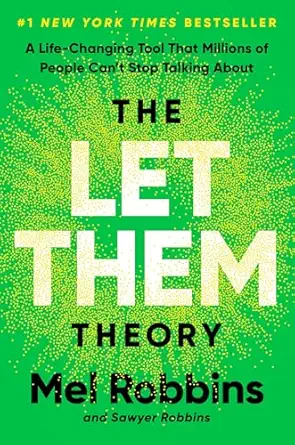 | Best for Relationship Stress | Author: Mel Robbins | Format: Hardcover, Paperback, Kindle, Audiobook | Primary Focus: Releasing control over others’ opinions and behaviors | VIEW LATEST PRICE | See Our Full Breakdown |
| Why Has Nobody Told Me This Before?: An International Bestselling Guide to Mental Health and Emotional Resilience from a Clinical Psychologist | 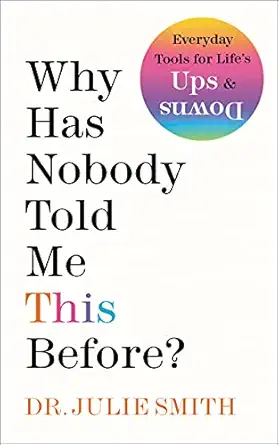 | Best Clinical Perspective | Author: Dr. Julie Smith, Clinical Psychologist | Format: Hardcover, Paperback, Kindle, Audiobook | Primary Focus: Mental health tools and emotional resilience | VIEW LATEST PRICE | See Our Full Breakdown |
| Stop Overthinking: 23 Techniques to Relieve Stress, Stop Negative Spirals, Declutter Your Mind, and Focus on the Present |  | Best Quick-Fix Toolkit | Author: Nick Trenton | Format: Paperback, Kindle, Audiobook | Primary Focus: Overthinking, stress relief, and mental clarity | VIEW LATEST PRICE | See Our Full Breakdown |
| It Didn’t Start with You: How Inherited Family Trauma Shapes Who We Are and How to End the Cycle |  | Best for Intergenerational Healing | Author: Mark Wolynn | Format: Paperback, Hardcover, Kindle, Audiobook | Primary Focus: Inherited family trauma | VIEW LATEST PRICE | See Our Full Breakdown |
| The Subtle Art of Not Giving a F*ck: A Counterintuitive Approach to Living a Good Life |  | Best for Readers Who Hate Self-Help Books | Author: Mark Manson | Format: Paperback, Hardcover, Kindle, Audiobook | Primary Focus: Values, priorities, and accepting limitations | VIEW LATEST PRICE | See Our Full Breakdown |
| mental health self-help book | Format | Primary focus | Approach | Audience level |
|---|---|---|---|---|
| Set Boundaries | Paperback, hardcover, ebook, audio | Boundary-setting and relationships | Practical strategies with conversational scripts | Beginner-friendly |
| The Body Keeps the Score: Brai | Paperback, hardcover, ebook, audio | Trauma’s effect on brain, mind, and body | Clinical research plus case studies | Intermediate to advanced |
| Get Out of Your Head: Stopping | Hardcover, paperback, ebook, audio | Breaking negative thought patterns | Faith-informed mindset strategies | Beginner |
| Stop Letting Everything Affect | Paperback, ebook | Overthinking, emotional chaos, self-sabotage | Broad practical advice | Beginner |
| The Art of Letting Go: Stop Ov | Paperback, ebook | Letting go of overthinking and negative spirals | Single-concept philosophy with practical strategies | Beginner |
| The Mountain Is You: Transform | Paperback, Kindle, Audiobook | Self-sabotage and self-mastery | Reflective essay style with practical strategies | Beginner to intermediate |
| Unfuck Your Brain: Getting Ove | Paperback, Kindle, Audiobook | Anxiety, depression, anger, and emotional triggers | Science-based, CBT-informed with practical exercises | Beginner to intermediate |
| The Let Them Theory: A Life-Ch | Hardcover, Paperback, Kindle, Audiobook | Releasing control over others’ opinions and behaviors | Single-concept mindset framework with examples | Beginner |
| Why Has Nobody Told Me This Be | Hardcover, Paperback, Kindle, Audiobook | Mental health tools and emotional resilience | Clinical techniques organized by topic for on-demand use | All levels, including therapy-adjacent readers |
| Stop Overthinking: 23 Techniqu | Paperback, Kindle, Audiobook | Overthinking, stress relief, and mental clarity | 23 standalone techniques with mindfulness emphasis | Beginner |
| It Didn’t Start with You: How | Paperback, Hardcover, Kindle, Audiobook | Inherited family trauma | Research-informed with practical healing strategies | — |
| The Subtle Art of Not Giving a | Paperback, Hardcover, Kindle, Audiobook | Values, priorities, and accepting limitations | Counterintuitive philosophy with humor | — |
More Details on Our Top Picks
Set Boundaries, Find Peace: A Guide to Reclaiming Yourself
I keep coming back to this pick when the problem isn’t internal chaos but other people overstepping. Where The Art of Letting Go targets the thoughts in your own head, this book zeroes in on the conversations and relationships that drain you, offering scripts and language for saying no without guilt. That specificity is what earns it a spot: boundary advice often stays abstract, while this stays actionable. Compared with Stop Overthinking-style titles in this space, it trades breadth for depth on one skill. The tradeoff is patience — this is a practice book, not a quick fix, and some concepts repeat across chapters. Readers wanting science-heavy grounding may prefer The Body Keeps the Score instead.
Pros:- Actionable scripts and language for real conversations
- Directly targets relationship-driven stress rather than abstract anxiety
- Strong focus on reclaiming personal identity
- Written in a warm, accessible therapy-adjacent voice
Cons:- Concepts repeat across chapters
- Progress requires sustained practice, not passive reading
Best for: People-pleasers and caregivers whose stress comes from unclear limits with family, friends, or coworkers
Not ideal for: Readers seeking a fast, technique-a-chapter read — results build gradually and the material can feel repetitive
- Format:Paperback, hardcover, ebook, audio
- Primary focus:Boundary-setting and relationships
- Approach:Practical strategies with conversational scripts
- Author background:Licensed therapist
- Audience level:Beginner-friendly
- Time commitment:Moderate; ongoing practice required
Our verdict“This is the pick if your mental health struggles trace back to weak boundaries rather than runaway thoughts.”
The Body Keeps the Score: Brain, Mind, and Body in the Healing of Trauma
This is the most rigorous title in the lineup, and nothing else here — including Get Out of Your Head — comes close to its scientific depth. It explains how trauma reshapes the brain and body, then surveys therapeutic paths to recovery, which makes it ideal for readers who want to understand the why before the how. I’d position it as the intellectual anchor of this roundup: if Why Has Nobody Told Me This Before? is a practical toolkit, this is the textbook behind the toolkit. The honest tradeoff is density. At over 400 pages of clinical narrative, it demands real reading stamina, and some case details are heavy. Casual readers chasing quick relief should start lighter.
Pros:- Author is a pioneering, widely respected trauma researcher
- Connects neuroscience to lived experience clearly
- Covers multiple therapeutic approaches in one volume
- Genuinely deep treatment rather than surface-level tips
Cons:- Dense, academic-leaning prose takes effort to get through
- Graphic case accounts can be emotionally taxing
Best for: Readers, students, and support people who want a research-grounded understanding of how trauma works before choosing healing strategies
Not ideal for: Anyone in acute distress wanting immediate coping techniques — it’s long, dense, and emotionally heavy
- Format:Paperback, hardcover, ebook, audio
- Page count:Approximately 460 pages
- Primary focus:Trauma’s effect on brain, mind, and body
- Approach:Clinical research plus case studies
- Author background:Psychiatrist and trauma researcher
- Audience level:Intermediate to advanced
- Time commitment:High; long-form read
Our verdict“Buy it to deeply understand trauma; skip it if you need fast, light relief tools tonight.”
Get Out of Your Head: Stopping the Spiral of Toxic Thoughts
Among the thought-spiral titles here, this one stands out for its warm, faith-inflected voice — it approaches toxic thinking as a spiritual and mental battle rather than a purely clinical one. Compared with Stop Letting Everything Affect You, which covers similar ground in a more secular, generic register, this book offers a stronger personality and a clearer emotional throughline, which matters for readers who want encouragement alongside strategy. It’s more digestible than The Body Keeps the Score by a wide margin, and its guidance is easy to apply same-day. The tradeoff is rigor: there’s little scientific citation, and readers wanting evidence-based techniques or deeper therapeutic frameworks will finish hungry. It’s comfort and redirection, not treatment.
Pros:- Highly accessible, conversational writing style
- Effective for interrupting negative thought spirals quickly
- Encouraging tone that resonates emotionally
- Simple strategies usable immediately
Cons:- Minimal scientific references or clinical grounding
- Faith-leaning framing won’t suit every reader
Best for: Readers who want mindset strategies framed with encouragement and Christian-inflected perspective
Not ideal for: Evidence-seekers and therapy veterans — the guidance is light on science and assumes openness to faith-based framing
- Format:Hardcover, paperback, ebook, audio
- Primary focus:Breaking negative thought patterns
- Approach:Faith-informed mindset strategies
- Audience level:Beginner
- Tone:Encouraging and conversational
- Time commitment:Low to moderate
Our verdict“The right choice if you want a heartfelt, easy read to break thought spirals — the wrong one if you want clinical depth.”
Stop Letting Everything Affect You: How to Break Free from Overthinking, Emotional Chaos, and Self-Sabotage
This title earns its slot as the low-cost, broad-coverage option — it bundles overthinking, emotional chaos, and self-sabotage into one accessible volume, which makes it a sensible first purchase for readers who aren’t sure which problem is driving the others. Compared with The Mountain Is You, which covers self-sabotage with more literary polish, this book is plainer and more workbook-like: less inspiring, more straightforward. It reads faster than The Body Keeps the Score and demands less of you than Set Boundaries, Find Peace. The tradeoff is genericism — the advice covers a lot of ground without going deep on any single issue, and there are few structured tools or exercises. Treat it as a survey course, not a specialty treatment.
Pros:- Covers three common struggles in one inexpensive volume
- Very easy to read with no jargon
- Good starting point for identifying which issue matters most
- Affordable entry into self-help
Cons:- Advice can feel generic and surface-level
- Lacks structured exercises, tools, or worksheets
Best for: Budget-conscious readers who want one affordable book covering overthinking, emotional reactivity, and self-sabotage at once
Not ideal for: Readers who already know their specific struggle — deeper single-topic books will serve them better than this broad overview
- Format:Paperback, ebook
- Primary focus:Overthinking, emotional chaos, self-sabotage
- Approach:Broad practical advice
- Audience level:Beginner
- Tone:Plain and accessible
- Price tier:Budget
- Time commitment:Low
Our verdict“A sensible cheap first step for scattered stress — upgrade to a specialist title once you know your core issue.”
The Art of Letting Go: Stop Overthinking, Stop Negative Spirals, and Find Emotional Freedom
I’d call this the shortest path to a mental declutter in the roundup — it’s built around one core idea (release what you can’t control) rather than a full curriculum. That narrowness is its strength and its weakness. Compared with Stop Overthinking, which lists 23 discrete techniques, this book goes deeper on a single philosophy of letting go, which suits readers overwhelmed by options in the first place. It’s far lighter than The Body Keeps the Score and less script-driven than Set Boundaries, Find Peace. The main caution is credibility: with no ratings history and thin published detail, you’re betting on an unproven title. For a gentle reset between heavier reads, it works; as your primary mental-health resource, I’d look elsewhere.
Pros:- Single focused concept, easy to absorb quickly
- Genuinely calming, low-pressure tone
- Good palate-cleanser between denser self-help reads
- Directly addresses rumination and spiraling
Cons:- No customer ratings or reviews to gauge effectiveness
- Thin published detail on content and author credentials
Best for: Readers who feel overwhelmed by long self-help books and want one gentle, focused idea on releasing overthinking
Not ideal for: Anyone who relies on reviews and proven track records before buying — this title lacks ratings and detailed documentation
- Format:Paperback, ebook
- Primary focus:Letting go of overthinking and negative spirals
- Approach:Single-concept philosophy with practical strategies
- Audience level:Beginner
- Tone:Calm and gentle
- Length:Short-form
- Ratings history:None available
Our verdict“A lightweight, low-commitment reset for overthinkers — not a substitute for a proven, structured guide.”
The Mountain Is You: Transforming Self-Sabotage Into Self-Mastery
Most self-help books tell you what to stop doing; this one focuses on why you keep doing it. That framing is what sets it apart in a crowded field of overthinking titles like Stop Overthinking, which hands you techniques but spends less time on root causes. Wiest’s central argument — that self-sabotage is often a misdirected coping mechanism — reframes the problem in a way that tends to stick with readers long after finishing.
The tradeoff is depth of evidence. Where Unfuck Your Brain leans on cited science, this book is more essayistic and intuition-driven, so readers who want research backing may finish wanting more. Some chapters also circle similar ideas, which can feel repetitive if you’ve already read a lot of personal growth writing. This pick makes the most sense for readers stuck in repeating patterns rather than those seeking a quick tactical fix.
Pros:- Reframes self-sabotage as a solvable coping pattern rather than a character flaw
- Insightful, motivating prose that resonates with readers stuck in repeating cycles
- Practical strategies for emotional resilience and personal growth
- Accessible entry point for readers new to inner-work books
Cons:- Lacks detailed scientific references to back its claims
- Concepts can feel repetitive across chapters
- Too abstract for readers who want step-by-step exercises
Best for: Readers who recognize self-defeating patterns in their career or relationships and want to understand the psychology behind them, not just mask the symptoms
Not ideal for: Readers who want evidence-based, citation-heavy psychology — the science here is light compared to Unfuck Your Brain
- Author:Brianna Wiest
- Format:Paperback, Kindle, Audiobook
- Primary Focus:Self-sabotage and self-mastery
- Approach:Reflective essay style with practical strategies
- Audience Level:Beginner to intermediate
- Scientific Referencing:Minimal — anecdotal and philosophical
Our verdict“Choose this if recurring self-sabotage — not general anxiety or overthinking — is the specific pattern you’re trying to break.”
Unfuck Your Brain: Getting Over Anxiety, Depression, Anger, Freak-Outs, and Triggers with Science
If you want your mental health advice grounded in actual neuroscience and CBT research, this is the strongest option in this batch. Compared with The Mountain Is You, which reads like reflective essays, this book explains the biological machinery behind anxiety, anger, and triggers, then translates it into techniques you can practice. That breadth is unusual: most books here tackle one theme, while this one covers multiple emotional states in a single, blunt-spoken package.
The casual, profanity-laced tone is the dividing line. Some readers find it disarming and refreshing; others will find it grating over a full book. It also demands real commitment — the techniques only work with repetition, so buyers expecting a passive read may be disappointed. Compared with Stop Overthinking‘s quick-list format, this demands more effort but offers a sturdier foundation for long-term change.
Pros:- Grounded in neuroscience and evidence-based methods like CBT
- Covers a wide range of issues: anxiety, depression, anger, and triggers
- Direct, no-nonsense voice that cuts through jargon
- Actionable techniques rather than vague platitudes
Cons:- Requires sustained practice to see results — not a quick fix
- Casual profanity and tone won’t land with every reader
- Broad scope means less depth on any single issue
Best for: Analytically minded readers who want evidence-based explanations for their anxiety, anger, or depression along with actionable CBT-style techniques
Not ideal for: Readers sensitive to crude language, or anyone wanting a light, passive motivational read
- Author:Faith G. Harper, LPC-S, ACS, ACN
- Format:Paperback, Kindle, Audiobook
- Primary Focus:Anxiety, depression, anger, and emotional triggers
- Approach:Science-based, CBT-informed with practical exercises
- Tone:Blunt, irreverent, conversational
- Audience Level:Beginner to intermediate
Our verdict“Pick this if you want the science explained plainly and don’t mind putting in the reps to make the techniques work.”
The Let Them Theory: A Life-Changing Tool That Millions of People Can’t Stop Talking About
Where the other books in this lineup turn inward, this one targets the emotional drain caused by other people. Its single core idea — letting others be who they are instead of managing their behavior — is a narrow tool, but a powerful one for readers whose anxiety centers on approval-seeking and control. Compared with Set Boundaries, Find Peace, which offers structured boundary-setting frameworks, this book works at the level of mindset rather than scripts and conversation tactics.
That singularity is both its appeal and its limit. If your struggles are internal — rumination, self-sabotage, low mood — Stop Overthinking or The Mountain Is You will serve you better, since this book barely touches those areas. The hype around it is real, but so is the risk that a one-theory book feels thin if you expect a broad mental health guide. Buy it for the specific problem of other people’s opinions running your life.
Pros:- One memorable, easy-to-apply concept you can start using immediately
- Especially effective for approval-seeking and control-related stress
- Backed by enormous reader popularity and word-of-mouth momentum
- Light, readable structure that doesn’t demand prior psychology knowledge
Cons:- Single-theory content may feel repetitive or thin for the price
- Doesn’t address internal struggles like depression or self-sabotage
- Heavy hype can inflate expectations beyond what one idea delivers
Best for: People-pleasers and chronic overthinkers whose stress comes from trying to control others’ opinions, approval, or behavior
Not ideal for: Readers seeking a broad mental health guide covering anxiety, depression, or trauma — this is a single-concept book
- Author:Mel Robbins
- Format:Hardcover, Paperback, Kindle, Audiobook
- Primary Focus:Releasing control over others’ opinions and behaviors
- Approach:Single-concept mindset framework with examples
- Tone:Motivational, conversational
- Audience Level:Beginner
Our verdict“Worth it if other people’s judgments are your main source of stress; skip it if your struggles are mostly internal.”
Why Has Nobody Told Me This Before?: An International Bestselling Guide to Mental Health and Emotional Resilience from a Clinical Psychologist
This is the closest thing in the batch to therapy distilled into book form. Written by a practicing clinical psychologist, it mirrors the tools a therapist would actually walk you through — mood management, anxiety tools, coping with criticism — which gives it a credibility that essay-driven titles like The Mountain Is You can’t match. Compared with Unfuck Your Brain, the tone is warmer and more clinical-patient, less punk, which will suit readers who found that book’s voice off-putting.
The structure is a feature and a flaw: it’s organized so you can jump straight to the chapter matching your current struggle, but read cover to cover it can feel like a reference manual rather than a narrative journey. It also sits closer to self-guided therapy than light motivation, so buyers wanting an energizing read may find it workmanlike. For building a durable emotional toolkit, though, it’s the most professionally anchored pick here.
Pros:- Written by a practicing clinical psychologist with real therapeutic tools
- Dip-in format lets you target the specific struggle you’re facing today
- Covers resilience-building across anxiety, low mood, and stress
- Balances professional rigor with plain, non-jargon language
Cons:- Reference-style structure can feel dry read front to back
- Less motivational energy than personality-driven titles
- Tools require deliberate practice, not just reading
Best for: Readers who want therapist-grade coping tools and emotional resilience strategies from a credentialed clinician, especially between or before therapy sessions
Not ideal for: Readers wanting an inspirational narrative arc — this is a practical toolkit, not a motivating story
- Author:Dr. Julie Smith, Clinical Psychologist
- Format:Hardcover, Paperback, Kindle, Audiobook
- Primary Focus:Mental health tools and emotional resilience
- Approach:Clinical techniques organized by topic for on-demand use
- Tone:Warm, professional, accessible
- Audience Level:All levels, including therapy-adjacent readers
Our verdict“The best choice if you want credible, therapist-style techniques in book form rather than motivation or a single big idea.”
Stop Overthinking: 23 Techniques to Relieve Stress, Stop Negative Spirals, Declutter Your Mind, and Focus on the Present
This is the most action-oriented, low-commitment option in the lineup. Instead of building one big argument like The Let Them Theory or exploring root causes like The Mountain Is You, it delivers 23 discrete techniques you can skim, pick from, and apply the same day. For someone in the middle of a negative spiral at 11 p.m., that grab-and-go format is genuinely more useful than a 300-page exploration of why you spiral.
The compromise is depth and staying power. Techniques this briefly presented tend to relieve symptoms without addressing what drives them, so readers with chronic rumination may find the relief temporary — the deeper work is better served by Why Has Nobody Told Me This Before? or Unfuck Your Brain. Coverage also skews toward stress and focus rather than depression or trauma. As an affordable, immediate intervention toolkit, though, it earns its slot.
Pros:- 23 bite-sized techniques you can apply immediately
- Extremely low time commitment — skim and pick what works
- Strong focus on mindfulness and present-moment awareness
- Typically one of the most affordable options in the category
Cons:- Treats symptoms more than underlying causes
- Techniques are described briefly, with little scientific grounding
- Can feel generic if you’ve read other mindfulness-based titles
Best for: Busy or overwhelmed readers who want short, immediately usable stress-relief techniques without committing to a dense psychology book
Not ideal for: Readers with deep-rooted rumination or trauma who need root-cause work, not symptom management
- Author:Nick Trenton
- Format:Paperback, Kindle, Audiobook
- Primary Focus:Overthinking, stress relief, and mental clarity
- Approach:23 standalone techniques with mindfulness emphasis
- Tone:Direct, practical, motivational
- Audience Level:Beginner
- Time Commitment:Low — designed for quick application
Our verdict“A pragmatic first buy for stress and mental clutter when you want relief this week, not a journey of self-discovery.”
It Didn’t Start with You: How Inherited Family Trauma Shapes Who We Are and How to End the Cycle
Most books in this roundup treat anxiety and overthinking as personal problems to fix in the present, but It Didn’t Start with You takes a different angle: some of what you carry may not have started with you at all. Mark Wolynn argues that inherited family trauma — patterns passed down through generations — can shape everything from relationship habits to unexplained fears, and he pairs that framing with concrete strategies for ending the cycle.
Compared with The Body Keeps the Score, which leans heavily on clinical neuroscience and can feel dense, this option is more accessible and action-oriented for readers who want healing tools rather than a science lecture. The tradeoff is depth: it does not match the Body Keeps the Score’s research rigor, and readers looking for quick daily exercises like those in Stop Overthinking may find the reflective, family-history work slower going.
Pros:- Frames personal struggles through family history, a lens most self-help books ignore
- Combines research with practical healing strategies rather than pure theory
- More accessible and compassionate than dense clinical trauma texts
- Helps readers understand wounds they could not previously name
Cons:- Healing work requires digging into family history, which can be emotionally heavy
- Less immediate and tactical than technique-based books like Stop Overthinking
- Lighter on hard science than comparable trauma titles
Best for: Readers who suspect their struggles trace back to family patterns and want a compassionate, structured path to breaking them
Not ideal for: Readers wanting quick-fix techniques or an exercise-a-day format — the work here is introspective and slower to pay off
- Author:Mark Wolynn
- Format:Paperback, Hardcover, Kindle, Audiobook
- Primary Focus:Inherited family trauma
- Approach:Research-informed with practical healing strategies
- Genre:Self-help / Psychology
- Publisher:Penguin Books
- Language:English
Our verdict“This pick makes the most sense for readers ready to trace their patterns back through generations instead of only managing symptoms in the present.”
The Subtle Art of Not Giving a F*ck: A Counterintuitive Approach to Living a Good Life
After eleven books of earnest exercises and therapy-adjacent language, The Subtle Art of Not Giving a F*ck is the palate cleanser of this lineup. Mark Manson’s pitch is blunt: stop chasing positivity, accept life’s limitations, and choose what actually deserves your attention. Where Get Out of Your Head and Stop Overthinking work to dismantle negative spirals with structured techniques, Manson argues the spirals themselves come from caring too much about the wrong things.
That counterintuitive stance is exactly why it lands for readers who bounce off traditional self-help — the humor and candor make hard truths go down easy. The tradeoff is real, though: there is no workbook, no step-by-step program, and no clinical grounding like Why Has Nobody Told Me This Before? offers. It is a mindset shift, not a treatment plan, and the profanity-laced tone will alienate some readers entirely.
Pros:- Refreshingly blunt voice that cuts through self-help clichés
- Strong central idea about choosing what to care about
- Highly readable and fast-paced compared with clinical titles
- Broad appeal — works for readers new to the genre and burned out on it
Cons:- No structured exercises or techniques to actually apply
- Blunt tone and frequent profanity alienate some readers
- Weaker on clinical grounding than therapist-authored picks in this roundup
Best for: Skeptical readers who find typical self-help books preachy and want a blunt, funny push to reprioritize their attention
Not ideal for: Readers managing acute anxiety or depression who need structured, therapist-informed tools — or anyone put off by strong language
- Author:Mark Manson
- Format:Paperback, Hardcover, Kindle, Audiobook
- Primary Focus:Values, priorities, and accepting limitations
- Approach:Counterintuitive philosophy with humor
- Genre:Self-help / Personal development
- Publisher:Harper
- Language:English
- Notable Distinction:International bestseller
Our verdict“Choose this if you want a mindset reset delivered with attitude; skip it if you need an actual toolkit.”

How We Picked
I judged each book against four criteria: evidence base (does the author have clinical credentials or cite real research?), actionability (can a reader apply something within the first few chapters?), accessibility (tone, length, and jargon level), and specificity (does it solve a defined problem or vaguely gesture at wellness?). Books that name a clear problem and give a workable method ranked higher than those offering motivation without structure. I also weighed redundancy across the lineup — when multiple books tackle overthinking, only the strongest execution earns a top spot.
The ranking reflects a simple philosophy: depth earns the top positions, but only when it stays readable. A clinically rigorous book you finish beats a brilliant one you abandon, so accessibility acted as a tiebreaker throughout. Books aimed at narrow audiences (family trauma, boundaries) were slotted by how well they serve that audience, not by general appeal.
| mental health self-help book | Format | Audience level |
|---|---|---|
| Set Boundaries | Paperback, hardcover, ebook, audio | Beginner-friendly |
| The Body Keeps the Score: Brai | Paperback, hardcover, ebook, audio | Intermediate to advanced |
| Get Out of Your Head: Stopping | Hardcover, paperback, ebook, audio | Beginner |
| Stop Letting Everything Affect | Paperback, ebook | Beginner |
| The Art of Letting Go: Stop Ov | Paperback, ebook | Beginner |
| The Mountain Is You: Transform | Paperback, Kindle, Audiobook | Beginner to intermediate |
| Unfuck Your Brain: Getting Ove | Paperback, Kindle, Audiobook | Beginner to intermediate |
| The Let Them Theory: A Life-Ch | Hardcover, Paperback, Kindle, Audiobook | Beginner |
| Why Has Nobody Told Me This Be | Hardcover, Paperback, Kindle, Audiobook | All levels, including therapy-adjacent readers |
| Stop Overthinking: 23 Techniqu | Paperback, Kindle, Audiobook | Beginner |
| It Didn’t Start with You: How | Paperback, Hardcover, Kindle, Audiobook | — |
| The Subtle Art of Not Giving a | Paperback, Hardcover, Kindle, Audiobook | — |
Factors to Consider When Choosing Mental Health Self-help Books
Choosing a mental health self-help book is less about finding the “best” title and more about matching the book to your current state, your reading habits, and the specific problem you’re trying to solve. These are the factors that actually changed the rankings.
Author Credentials Versus Lived Experience
The single biggest differentiator in this category is who wrote the book. Clinicians like the authors of Why Has Nobody Told Me This Before? and The Body Keeps the Score ground their advice in decades of practice and research, which matters when a technique could affect your wellbeing. Personality-driven authors, by contrast, often excel at motivation and relatability but may oversimplify conditions that have real neurological components. A common mistake is assuming a bestselling title equals expert guidance — sales reflect marketing and cultural moment, not accuracy. If you’re dealing with anything beyond everyday stress, credential-backed authors are worth prioritizing. For mild rumination or motivation slumps, a strong communicator without letters after their name can still deliver real value.
Depth Versus Speed of Results
Ask yourself honestly whether you want to understand your mind or change a behavior this week. Dense, research-heavy books build durable mental models but demand sustained attention — many readers abandon them a third of the way through, which helps no one. Shorter, technique-driven books give you something to try immediately, which builds momentum, but the effects often fade once the book closes. The practical move is sequencing rather than choosing: start with an accessible title to get traction, then graduate to a deeper work once you’ve proven you’ll actually read it. Readers who buy the thick clinical book first frequently end up buying nothing else. Match the format to your attention, not your ambition.
Matching the Book to Your Specific Problem
“Mental health” covers wildly different needs: anxiety, trauma, overthinking, boundary-setting, and inherited family patterns each demand different approaches. A book about toxic thought spirals will do little for someone whose real issue is an inability to say no, and vice versa. Before buying, name your problem in one sentence and check the book’s subtitle against it — subtitles in this genre are unusually honest about content. The biggest wasted spending in this category comes from buying for the problem you wish you had rather than the one you actually have. It’s also worth noting that trauma-focused books like The Body Keeps the Score can be emotionally heavy; readers in an acute crisis may be better served by gentler entry points first.
Tone and Readability
Some readers respond to profanity-laced, blunt talk; others find it grating and dismissive. Tone is not a trivial factor — a book whose voice annoys you will go unread regardless of quality. Swearing, humor, and tough-love framing work well for readers alienated by therapy-speak, while clinical calm suits those who want reassurance and precision. Sample the first few pages before committing, since voice is apparent immediately. Also consider format: audiobooks suit commuters and work especially well for narrative-driven titles, while exercise-heavy books need print or ebook for the worksheets and re-reading. A mismatch here is the quietest reason self-help purchases fail.
Avoiding Redundant Purchases
Because overthinking and anxiety titles dominate this genre, it’s easy to buy three books that repackage the same cognitive-behavioral techniques. Before adding a second book on the same topic, check whether it offers a genuinely different method or just different packaging. A smarter library combines one book per problem area — one on rumination, one on boundaries, one on trauma — rather than stacking competitors. Subscriptions like Kindle Unlimited also let you preview many of these titles cheaply before committing. And remember that no book replaces professional care; if a book keeps resonating because your situation keeps worsening, that’s a signal to talk to a therapist, not to buy another title.
Frequently Asked Questions
Can a self-help book actually replace therapy?
For everyday stress, mild rumination, and motivation slumps, a well-chosen book can produce genuine change — the technique-based titles in this roundup mirror exercises used in real therapy. But books can’t diagnose you, adapt to your responses, or notice what you’re avoiding, which is where therapists earn their fee. If you’re dealing with trauma, persistent depression, or thoughts of self-harm, books work best as a supplement to professional care rather than a substitute. A reasonable rule: if a book’s ideas keep hitting nerve after nerve, that’s useful information to bring to a clinician. Several titles here, especially the clinically authored ones, explicitly tell readers when to seek more help — take that advice seriously.
Should I start with The Body Keeps the Score if I have trauma?
It depends on where you are in your healing. The Body Keeps the Score is the most thorough explanation of how trauma affects the brain and body, which is invaluable for understanding what’s happening to you — but it’s dense, long, and emotionally heavy, and some readers in acute distress find it overwhelming. If you’re newly exploring trauma, a gentler, more structured entry point often works better, with the deeper book as a second step once you feel steadier. Readers with inherited or family-pattern trauma may actually get more from It Didn’t Start with You, which addresses generational dynamics the bigger book doesn’t focus on. Depth is valuable, but only if you finish the book.
Why Has Nobody Told Me This Before? versus Unfuck Your Brain — which should I buy?
Both are science-grounded, but they differ in scope and tone. Why Has Nobody Told Me This Before? comes from a clinical psychologist and reads like a portable therapy toolkit covering a broad range of emotional struggles with calm authority. Unfuck Your Brain is punchier, uses blunt casual language, and focuses more narrowly on anxiety, anger, and trigger responses — it suits readers who find conventional therapy-speak off-putting. If you want one comprehensive reference, the former is the stronger single purchase. If you know anxiety is your main issue and you want zero fluff, the latter gets to techniques faster. They also pair well together if your budget allows two books.
Viral popularity cuts both ways. The core concept is genuinely useful — releasing control over other people’s opinions and actions is a real stress-reducer — and the book explains it more thoroughly than any short video can. The honest drawback is that it’s one central idea stretched across a full book, so readers who grasped the concept from summaries may find the middle repetitive. Compared with deeper titles on this list, it offers less depth on why your mind clings to control in the first place. It makes the most sense for readers who want a simple, single-principle approach they can apply immediately. If you prefer method variety over one big idea, the overthinking-focused titles will serve you better.
Do I need multiple books if I struggle with overthinking?
Usually not — this is the most redundant niche in the roundup. Stop Overthinking, The Art of Letting Go, Get Out of Your Head, and Stop Letting Everything Affect You all target rumination with overlapping cognitive techniques, differing mainly in tone and length. Pick the one whose voice clicks with you, apply it thoroughly for a month, and only add another if the first approach genuinely doesn’t resonate. Stacking similar books can become its own form of avoidance — researching solutions feels productive but isn’t the same as practicing them. A better second purchase targets a different problem entirely, like boundaries or self-sabotage, once rumination techniques are in place.
Conclusion
For best overall, Why Has Nobody Told Me This Before? earns the top slot for its rare combination of clinical authority and readability — it’s the one title that serves almost any reader well. The best value pick is Unfuck Your Brain, which delivers science-backed techniques at a lower page count and typically lower price than its competitors. Best for beginners goes to The Let Them Theory, whose single-concept approach is the gentlest on-ramp into self-help reading. For readers wanting premium depth, The Body Keeps the Score is the deepest, most research-rich investment in this lineup — treat it as the graduate-level option. Specific needs round out the list: Set Boundaries, Find Peace for interpersonal stress, It Didn’t Start with You for generational trauma, and Stop Overthinking for readers who want techniques, not theory. Whatever you choose, one finished and applied book beats a shelf of abandoned ones — pick the title that matches your problem and your patience, and start there.