

You might confess to something you didn’t do because of strong external pressures like police interrogations, social influence, or authority figures. Stress and anxiety can impair your judgment, making you more suggestible and prone to doubting your own memory. Repeated questions or leading statements can create false memories, convincing you that you’re guilty. If you stay curious, you’ll discover how these factors work together to lead innocent people to confess under pressure.
Key Takeaways
- Peer pressure and social influence can compel individuals to falsely confess to escape discomfort or conformity.
- Stress and anxiety impair judgment, making false confessions more likely under interrogation.
- Repeated questioning and leading statements can create false memories, convincing individuals they committed the crime.
- Internal doubts and subconscious beliefs in guilt can lead to confessions despite innocence.
- Authority figures’ suggestions and external pressures shape perceptions, increasing vulnerability to false admissions.

People often confess to things they didn’t do, and understanding why this happens can be surprising. One major factor is peer pressure. When you’re in a situation where everyone around you is insisting that you’re guilty, it’s easy to start doubting yourself. You might feel overwhelmed, anxious, or even scared of the consequences, which can lead you to falsely admit to something just to end the ordeal. Peer pressure creates a powerful urge to conform, making it seem like confessing is the easiest way to escape the discomfort. Over time, this external influence can override your own memories and perceptions, leading you to believe you committed an act you didn’t actually do.
Peer pressure can cause innocent people to doubt themselves and falsely confess to crimes they didn’t commit.
Another key reason people confess to false crimes is the influence of false memories. Your brain is highly suggestible, especially when under stress or in a highly charged environment like police interrogations. Through repeated questioning, leading statements, or the power of suggestion, you might start to develop vivid memories of events that never took place. Once these false memories form, it becomes harder to differentiate between what’s real and what’s imagined. This can cause you to genuinely believe you committed the act, even though your initial memory was different. The human mind is complex, and it’s capable of creating detailed, convincing recollections of events that never happened, especially when authority figures or investigators imply certain details. Memory distortion is a common phenomenon in such cases. Additionally, the brain’s tendency to fill in gaps with plausible details can lead to the formation of these false memories over time. Recognizing the influence of suggestion can help in understanding how memories are shaped and manipulated. It’s important to realize that suggestibility varies among individuals, making some more vulnerable to these influences than others.
You might also find yourself confessing because of the fear of facing harsher consequences if you don’t. The pressure to please authorities or avoid punishment can cloud your judgment, making it seem like confessing is the only way out. Sometimes, your desire to protect someone else or to be cooperative can lead you to admit guilt falsely, especially if you’re convinced that doing so might bring leniency or reduce your sentence. Your subconscious might also convince you that confessing will make the situation go away faster, even if it’s not true. Moreover, stress and anxiety can significantly impair your ability to think clearly, increasing the likelihood of false confessions.
In these moments, your mind is vulnerable to external influences and internal doubts. Peer pressure can push you to confess, while false memories can convince you that you’re guilty when you’re not. Recognizing these factors is vital, especially if you or someone you know faces accusations. Understanding the power of suggestion and social influence helps shed light on why innocent people sometimes admit to crimes they didn’t commit, often under circumstances that seem overwhelming or intimidating.

EMT National Training AEMT Practice Questions & Study Guide
Used Book in Good Condition
As an affiliate, we earn on qualifying purchases.
As an affiliate, we earn on qualifying purchases.
Frequently Asked Questions
Can Mental Health Issues Influence False Confessions?
Yes, mental health issues can influence false confessions. If you experience mental health challenges, you might be more susceptible to false memories during coercive interrogations. These pressures can lead you to believe in a false memory or feel compelled to confess, even if you’re innocent. Your mental state can make it harder to resist manipulative tactics, increasing the risk of false confessions during intense or coercive interrogative situations.
Do Cultural Factors Affect Confession Tendencies?
Think of confession as a boat steering through stormy waters; cultural factors like pressure and stigma can push you toward shores you’d rather avoid. You might confess to escape social stigma or because cultural pressure makes silence feel unsafe. These influences shape your tendency to confess, even falsely, as you seek to restore harmony or avoid shame. So, yes, cultural factors greatly affect how and when you’re willing to confess.
How Do False Confessions Impact Legal Outcomes?
False confessions can seriously skew legal outcomes, leading to wrongful convictions. When you rely on false memories shaped by intense interrogation tactics, you risk accepting confessions that aren’t truthful. This misleads investigations and courts, potentially sending innocent people to prison. Recognizing how manipulation during interrogations influences confessions is vital to guarantee justice. You must scrutinize the methods used to obtain confessions and protect against the impact of false memories.
Are False Confessions More Common in Certain Age Groups?
False confessions are more common among younger individuals, especially teens, who often lack the maturity to navigate intense interrogation tactics. Imagine a young person trapped in a maze, pressured by peer pressure and aggressive questioning, feeling overwhelmed and falsely admitting guilt. Studies show that adolescents are more susceptible to these tactics, making age a significant factor. This vulnerability highlights the importance of understanding how interrogation methods impact different age groups.
What Are Effective Strategies to Prevent Wrongful Confessions?
To prevent wrongful confessions, you should guarantee interrogations are limited in length to reduce fatigue, which can lead to false memories. Train law enforcement to recognize signs of interrogation fatigue and avoid leading questions that may cause innocent people to doubt their memories. Allow suspects access to legal counsel, and document the process thoroughly. These steps help protect against false confessions influenced by fatigue and false memories.
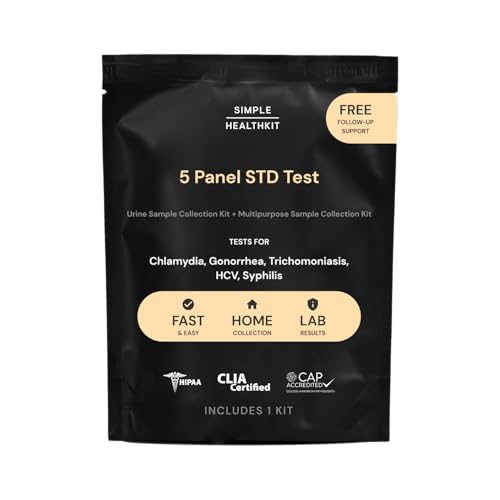
Simple HealthKit At-Home 5-Panel STD Test Kit for Chlamydia, Gonorrhea, Trichomoniasis, HCV & Syphilis – STD HCV Test Kit – Free Follow-Up/Telehealth & High Quality Lab Results
Tests for 5 STDs: An easy-to-use 5-Panel STD test with simple, fast, and private results. Simple HealthKit's 5-Panel…
As an affiliate, we earn on qualifying purchases.
As an affiliate, we earn on qualifying purchases.
Conclusion
Sometimes, you might find yourself letting go of the truth, not because it’s easier, but because it feels safer. Confessing to what you haven’t done can be a way of seeking peace or avoiding the storm of guilt. Remember, it’s okay to hold onto your story—your silence can be your strength. In the end, true courage is knowing when to speak and when to quietly preserve your own truth.

luckdoor Silicone Magnetic Balls Fidget Toys for Adults & Teens,4PCS Stress Relief Sensory Toys for Autism ADHD Anxiety,Fun Textures Gadgets,Office Desk Toy,Stocking Stuffer for Men Women Teen Gift
【Creative Design】Unlike conventional magnetic toys, the silicone magnetic ball features a large central magnet encased within a textured…
As an affiliate, we earn on qualifying purchases.
As an affiliate, we earn on qualifying purchases.
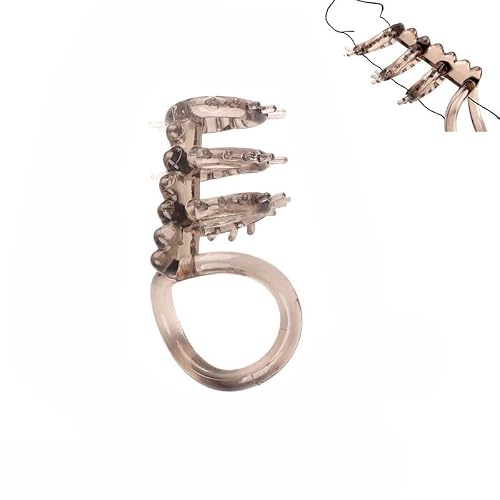
Male Black Silicone Fitness Training Accessory,Lobster Shaped Ring Accessory,Confession Gift
High quality silicone material: Made of high-quality, skin safe silicone, this product is completely odorless and pore free….
As an affiliate, we earn on qualifying purchases.
As an affiliate, we earn on qualifying purchases.