

You’re most vulnerable to suggestibility and compliance if you seek social acceptance or feel unsure of your own judgment. People who want to please authority figures or peers often go along with decisions, even if they conflict with their beliefs. When you fear rejection or feel uncertain, you’re more likely to be influenced by external pressures. Understanding why these tendencies occur can help you recognize when you might be acting out of conformity—stay tuned to learn how to maintain your independence.
Key Takeaways
- Individuals seeking social acceptance, such as adolescents or those with low self-esteem, are more susceptible to peer influence.
- People in authoritative roles or environments may comply more due to perceived legitimacy and social conditioning.
- Vulnerability increases with a desire to avoid conflict, seek approval, or maintain harmony within groups.
- Those with limited critical thinking skills or awareness of external influences are more prone to suggestibility.
- Cultural norms and social hierarchies can enhance susceptibility, especially when respect for authority is deeply ingrained.

Have you ever wondered why some people easily go along with suggestions or requests, even when they might not fully agree? It all comes down to suggestibility and compliance, two psychological tendencies that shape how people respond to external influences. When you’re in situations where others are involved, peer influence plays a big role. If your friends or colleagues are making a certain choice or endorsing a particular idea, you might find yourself going along just to fit in or avoid conflict. Peer influence taps into our innate desire for social acceptance, making it easier to follow the crowd even if it contradicts your personal beliefs or preferences. This is especially true in groups where conformity is valued, and standing out might lead to social rejection. Your natural inclination to connect and belong can blur your judgment, leading you to comply with group norms or suggestions without fully considering whether they’re right for you.
Authority pressure is another powerful factor that influences suggestibility. When someone in a position of authority—be it a boss, teacher, or expert—gives a directive or recommendation, you might feel compelled to obey, even if it conflicts with your own instincts or opinions. Authority figures often carry perceived legitimacy and expertise, which can override your critical thinking. You might think, “They must know what’s best,” and surrender your own doubts or hesitations. This tendency is reinforced by social conditioning and cultural norms that emphasize respecting authority. As a result, you may comply with instructions or suggestions simply because of the authority figure’s status, not because you genuinely believe they’re right.
In many cases, the pressure to conform to peer influence or authority can make you vulnerable to making decisions you wouldn’t normally make on your own. The desire to avoid conflict, gain approval, or simply because it feels easier to go along can override your personal judgment. Recognizing these tendencies is the first step in understanding why you might be suggestible in certain situations. It helps you become more aware of when external pressures are influencing your choices and encourages you to pause and evaluate whether you’re acting out of genuine conviction or just responding to external cues. Being aware of peer influence and authority pressure allows you to maintain your independence and make decisions based on your true beliefs, rather than simply succumbing to external forces. Additionally, understanding decoding slang and informal language can help you better recognize social cues and influences that affect communication and decision-making in everyday interactions.

Building Self-Esteem
Used Book in Good Condition
As an affiliate, we earn on qualifying purchases.
As an affiliate, we earn on qualifying purchases.
Frequently Asked Questions
How Can Individuals Protect Themselves From Undue Influence?
To protect yourself from undue influence, strengthen your psychological resilience and practice critical thinking. Question messages you receive, consider multiple perspectives, and verify information before accepting it as true. Set boundaries to avoid manipulation and stay aware of your emotional state, which can affect susceptibility. By maintaining a healthy skepticism and developing mental fortitude, you can better resist undue influence and make autonomous decisions confidently.
What Are Common Signs of High Suggestibility?
Your mind may be a chameleon, easily swayed by peer pressure and authority influence. Signs of high suggestibility include quick compliance without question, a tendency to mirror others’ opinions, and discomfort when asserting independence. You might find yourself silently agreeing to things you’re unsure about or feeling a strong urge to conform. Recognizing these signs helps you stand firm against undue influence, safeguarding your autonomy amid external pressures.
Do Age or Gender Affect Susceptibility to Influence?
You might notice that age differences and gender variations can influence how susceptible you are to influence. Younger individuals often show higher suggestibility, while older adults may be less affected. Gender variations also play a role, with some studies indicating women might be more receptive to persuasion than men. Recognizing these factors helps you understand your own vulnerabilities and adapt your approach when communicating or influencing others.
Can Training Reduce Tendencies to Comply Excessively?
Training can definitely reduce your tendencies to comply excessively by building your confidence and fostering mindful resistance. When you learn to recognize pressure cues and practice assertiveness, you become less vulnerable to undue influence. This proactive approach helps you stand firm in your decisions, ensuring you’re not swayed easily. With consistent effort, you’ll develop stronger boundaries, making it easier to resist compliance that doesn’t align with your values or needs.
How Does Cultural Background Influence Suggestibility?
Your cultural background influences your suggestibility by shaping your attitude toward social conformity and adherence to social norms. If you come from a culture that emphasizes collectivism and harmony, you’re more likely to conform and be influenced by group opinions. Conversely, in individualistic cultures, you might resist suggestion more. Understanding these cultural differences helps you recognize how social norms and cultural values impact your susceptibility to influence.

Analogies for Critical Thinking, Grade 3 from Teacher Created Resources
Analogies for critical thinking book
As an affiliate, we earn on qualifying purchases.
As an affiliate, we earn on qualifying purchases.
Conclusion
Now that you understand who’s most vulnerable to suggestibility and compliance, imagine what it could mean in real life. Could someone you trust manipulate your choices without you realizing? The line between influence and coercion is thinner than you think. Stay alert, question what you’re told, and never underestimate the power of awareness. Because the next time you’re swayed, it might just be more than you bargained for—something that could change everything.

Assertiveness Training: This Book Includes: Assertiveness Training & Mental Toughness. Assertiveness for Women and Men. Develop Confidence, Self Discipline and Control Your Anger.
As an affiliate, we earn on qualifying purchases.
As an affiliate, we earn on qualifying purchases.
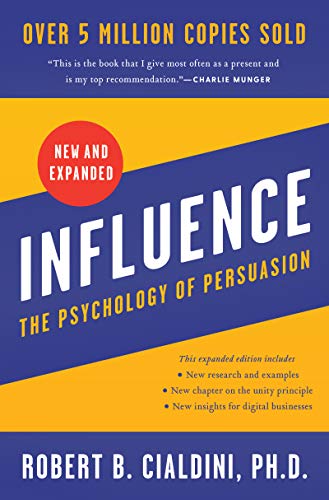
Influence, New and Expanded: The Essential Guide to the Psychology of Influence and Persuasion in Everyday Life
As an affiliate, we earn on qualifying purchases.
As an affiliate, we earn on qualifying purchases.