If you notice feelings of anxiety, irritability, or emotional exhaustion after consuming true crime stories, it’s a sign you need a break. Signs like difficulty sleeping, feeling overwhelmed, or avoiding certain topics also point to secondary trauma. Your emotional resilience weakens when exposure becomes overwhelming, so taking scheduled breaks and curating your content can help. Keep an eye on your reactions—if these signs persist, there’s more to explore to protect your mental health.
Key Takeaways
- Increased irritability, anxiety, or emotional exhaustion after consuming true crime content signals the need for a break.
- Difficulty sleeping or persistent feelings of helplessness indicate emotional overload requiring self-care.
- Avoidance of certain stories or compulsive viewing patterns suggest mental fatigue and the need to pause.
- Recognizing mood changes or signs of burnout shows it’s time to step back and process feelings.
- Implementing scheduled breaks and curating content helps protect mental health from secondary trauma.
Understanding How True Crime Can Impact Your Mental Health

While immersing yourself in true crime stories can be fascinating, it can also take a toll on your mental health. Constant exposure to disturbing details and graphic descriptions can challenge your emotional resilience, leaving you feeling overwhelmed or anxious. Over time, this can subtly erode your mental well-being, leading to feelings of helplessness or fear that linger beyond your screen or book. Your mind may start to hyper-focus on safety or justice issues, disrupting your daily life. Recognizing how these stories influence your emotional resilience is essential. Protecting your mental well-being involves understanding that while true crime can be intriguing, it’s important to set boundaries and take breaks when needed. Prioritizing your mental health helps you stay balanced amidst the intense narratives. Additionally, paying attention to content intensity can help you gauge when it’s time to step back and protect your emotional health. Being aware of emotional triggers can further help you identify when your mental health might be at risk. Developing an understanding of cognitive effects can support your emotional resilience and help you recover from exposure to distressing content. Incorporating self-care strategies can also mitigate the impact of distressing stories on your mental well-being.
Recognizing the Signs of Secondary Trauma From Crime Stories
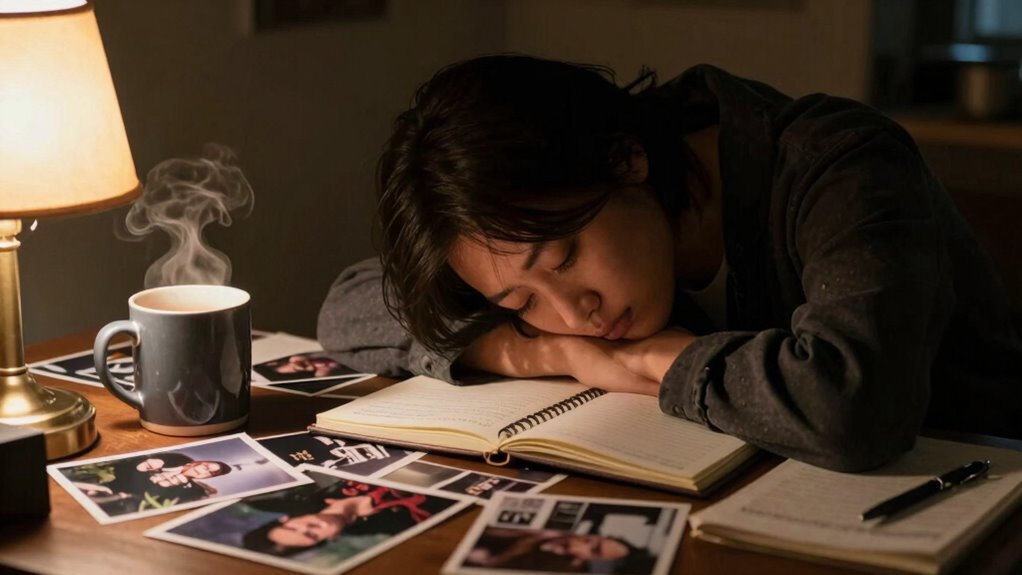
Secondary trauma can subtly creep into your life when you consume crime stories, often without you realizing it. You might notice increased irritability, difficulty sleeping, or feelings of anxiety after bingeing on true crime. These are signs that your emotional resilience may be weakening, and stress management strategies are needed. Pay attention to emotional shifts, such as feeling overwhelmed or experiencing a sense of helplessness unrelated to your actual circumstances. If you find yourself avoiding certain stories or feeling emotionally drained, it’s a clear sign to pause and reassess. Recognizing these signs early helps you protect your mental health and maintain balance. Additionally, understanding how mind and body respond to stress can aid in developing healthier coping mechanisms. Building emotional resilience and managing stress effectively are key to preventing secondary trauma from taking hold. Practicing self-care techniques can further strengthen your ability to cope and recover from emotional strain, especially when you’re aware of stress response and its effects on overall well-being. Being mindful of your emotional boundaries can also help prevent overstimulation from distressing content and promote healthier viewing habits. Developing awareness of emotional triggers related to crime stories can help you set necessary limits to safeguard your mental health.
Behavioral Clues That You Need a Break From True Crime

When you start noticing changes in your behavior after consuming true crime stories, it’s a clear sign that you might need a break. You may feel emotionally exhausted, find yourself compulsively listening even when it’s affecting your mood, or notice increased irritability. These signs indicate that your mental health is taking a hit. Being aware of behavioral changes associated with trauma can help you improve your writing and communication skills. Recognizing patterns of emotional exhaustion is crucial in preventing burnout and maintaining a healthy balance in consuming content. Additionally, understanding the horsepower of electric dirt bikes can serve as a metaphor for the energy drain caused by overexposure to distressing stories. Monitoring your mental health indicators can guide you in taking timely breaks to preserve your well-being.
Practical Tips to Recover and Protect Your Mind

To recover and protect your mind from the effects of consuming true crime, it’s essential to establish healthy boundaries and routines. A mental detox can help clear negative thoughts and reduce stress. Focus on activities that boost your emotional resilience, like exercise or mindfulness. Here are three practical tips:
- Limit exposure: Set specific times for consuming true crime content and avoid binge-watching. Recognizing your emotional triggers can help you manage your consumption more effectively. Being aware of your mental health can guide you in making healthier decisions about media intake.
- Practice self-care: Engage in hobbies, spend time with loved ones, or relax with calming activities.
- Create a supportive environment: Surround yourself with positive influences and share your feelings with trusted friends or family.
- Maintain your mental health by understanding how self-awareness and routines can reduce overall stress and create a more balanced environment. Being mindful of your mental state can help you recognize signs of secondary trauma early and take appropriate action. Developing emotional resilience can further strengthen your ability to cope with distressing content.
These steps help you rebuild mental strength and prevent secondary trauma from taking over your well-being. Protecting your mind is a crucial part of your overall health.
When to Seek Help for Secondary Trauma

Maintaining healthy boundaries and routines can greatly reduce the impact of consuming true crime, but sometimes, despite these efforts, emotional strain persists. If you notice persistent feelings of anxiety, hopelessness, or emotional exhaustion, it may be time to seek help. Joining a support group can provide a safe space to share experiences and gain perspective from others facing similar challenges. Additionally, exploring therapy options, such as counseling or trauma-focused therapy, can help you process your emotions healthily. Recognizing when secondary trauma affects your daily life is vital. Don’t hesitate to reach out for professional support if your symptoms worsen or don’t improve. Developing a digital-friendly environment at home may also help manage emotional stress by promoting healthy habits. Creating a stress-reducing environment through mindful organization can further support your emotional well-being. Being aware of emotional resilience strategies can empower you to cope more effectively with ongoing stress. Incorporating mental health resources into your routine can provide additional support and guidance. Seeking help is a sign of strength and an essential step toward recovery and emotional well-being.
Maintaining a Healthy True Crime Routine Without Overdoing It

While immersing yourself in true crime stories can be fascinating, it’s important to set boundaries to protect your mental health. To maintain a healthy true crime routine without overdoing it, focus on managing your stress and establishing media boundaries. Here are three tips to help you stay balanced:
- Limit your exposure—set specific times for listening or watching, and avoid bingeing.
- Take regular breaks to process what you’ve consumed and practice stress management techniques.
- Curate your media sources, choosing content that’s informative without being overly graphic or sensationalized. Being aware of emotional responses can help you recognize when it’s time to step back and prioritize your well-being.
Frequently Asked Questions
Can Secondary Trauma Affect My Physical Health?
Yes, secondary trauma can affect your physical health. You might notice psychosomatic symptoms like headaches, fatigue, or stomach issues. It also impacts your immune response, making you more vulnerable to illness. When you’re constantly exposed to distressing stories, your body reacts as if you’re in danger, which can lead to long-term health problems. Taking breaks helps protect your physical health and restores your emotional well-being.
How Long Does Secondary Trauma Usually Last?
Secondary trauma can last anywhere from weeks to several months, depending on how much emotional exhaustion and compassion fatigue you experience. If you notice persistent feelings of sadness, irritability, or difficulty focusing, it’s a sign you need a break. Taking time off, practicing self-care, and seeking support can help reduce the duration of secondary trauma. Remember, healing takes time, so prioritize your mental health and give yourself space to recover.
Are Certain Types of Crime Stories More Triggering?
Think of crime stories as a storm; some are like gentle rain, while others unleash a hurricane. Certain types, especially those with graphic content and intense emotional triggers, hit harder and linger longer. Cases involving child abuse or brutal violence tend to be more triggering. You’ll find yourself more affected, like shadows creeping in your mind, so it’s wise to set boundaries and take breaks when stories become too overwhelming.
Is It Normal to Feel Guilty After Watching True Crime?
Yes, it’s normal to feel guilty after watching true crime, especially if it triggers emotional resilience or brings trauma acknowledgment. You might wonder if you’re overreacting, but your feelings are valid. Recognize that secondary trauma can affect anyone, and taking breaks helps you process these emotions healthily. Prioritize self-care, set boundaries, and remember that acknowledging your feelings is a step toward maintaining your mental well-being.
Can Secondary Trauma Impact My Relationships?
Secondary trauma can be a silent storm that erodes your relationships. When emotional exhaustion takes hold, it’s like a fog that dims your connection with others. You might find it harder to set boundaries or fully engage, causing misunderstandings or distance. To protect your bonds, recognize the signs early, prioritize self-care, and practice boundary setting. Taking care of yourself helps you nurture healthy relationships, even amid the storm.
Conclusion
Remember, while true crime can be fascinating, it’s essential to listen to your mind. If you notice signs of secondary trauma, take a break and prioritize your mental health. The theory that stepping away restores balance isn’t just a myth—it’s backed by evidence. Trust your instincts, set boundaries, and seek support if needed. Protecting your well-being allows you to enjoy your interests without risking burnout or harm.