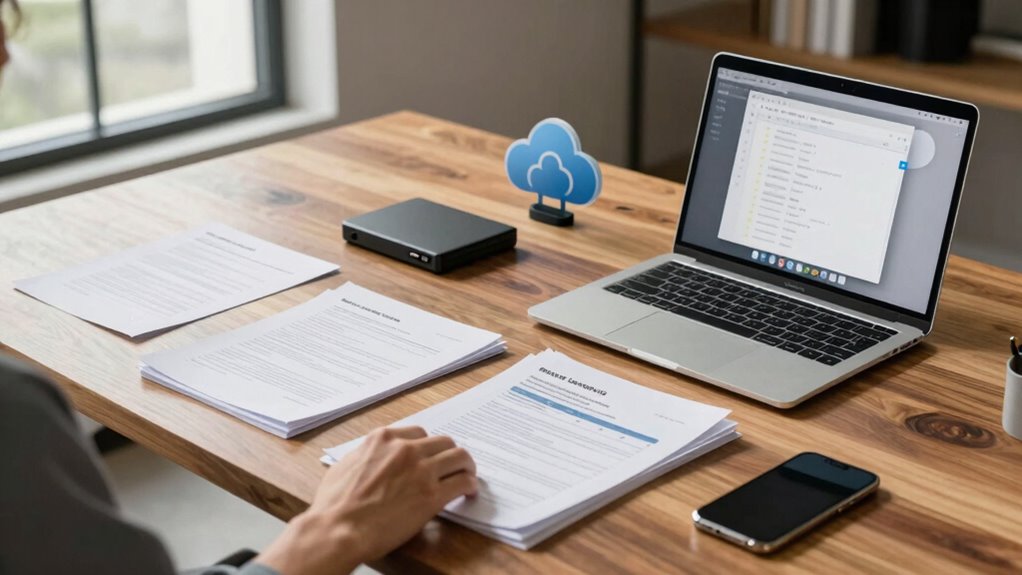

Splitting your documents across multiple storage methods boosts security, reduces redundancy, and enhances resilience. By isolating sensitive files in secure environments like encrypted cloud storage, you protect against data breaches. It also helps you optimize access control, making it easier to manage permissions and streamline workflows. Combining various storage solutions prevents total data loss if one system fails. To learn how to implement this smart strategy effectively, keep exploring the key benefits and best practices.
Key Takeaways
- Enhances security by isolating sensitive data in dedicated, encrypted storage environments.
- Improves resilience through redundancy, reducing risk of total data loss.
- Optimizes performance by storing frequently accessed files in faster locations.
- Facilitates tailored access controls and workflows for different document types.
- Supports cost efficiency by archiving less critical data separately from active files.
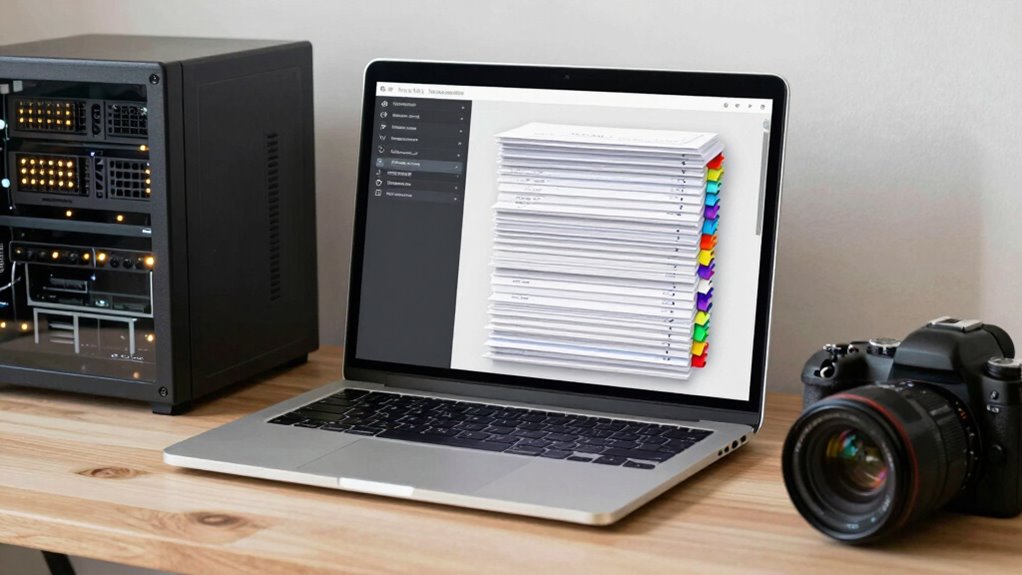
Have you ever wondered how to efficiently organize large or sensitive documents? Splitting your documents across multiple storage methods can be a game-changer. Instead of relying solely on one system, you distribute your data to optimize security, accessibility, and reliability. This approach helps you avoid common pitfalls like data redundancy, where identical copies of data end up scattered across different locations, creating confusion and increasing storage costs. By carefully managing where and how your documents are stored, you ensure that redundancies are minimized and that your data remains consistent across systems.
Splitting documents across multiple storage methods enhances security, reduces redundancy, and ensures data consistency.
One of the key benefits of splitting documents across multiple storage methods is enhanced access control. When you keep sensitive information in a dedicated, secure environment—such as encrypted cloud storage—you can set specific permissions to control who views or edits those files. Meanwhile, less sensitive documents can be stored in more accessible locations, like local drives or less restrictive cloud platforms. This layered approach allows you to tailor access based on the sensitivity of each document, reducing the risk of unauthorized access or data breaches. It also streamlines workflow, because users only see the data relevant to their role or project, while sensitive information remains protected.
Another advantage is increased resilience. Relying on a single storage method can leave your documents vulnerable to system failures, cyberattacks, or accidental deletion. By splitting data across different systems—say, combining cloud storage with physical backups—you create multiple layers of protection. If one storage method fails or becomes compromised, your information isn’t lost because copies exist elsewhere. This redundancy helps ensure business continuity and quick recovery, especially when sensitive or mission-critical documents are in play. Additionally, understanding storage diversity can help you choose the most effective combination of storage solutions for your needs. Incorporating backup strategies further safeguards your data against unforeseen events, reinforcing your overall security framework. Recognizing the importance of data compartmentalization can also help prevent a single breach from exposing all your information at once. Embracing diverse storage options can also optimize costs and performance tailored to different types of data.
Moreover, splitting documents can improve efficiency. You can organize your files based on usage patterns, storing frequently accessed data in faster, more convenient locations, while archiving older or less critical documents elsewhere. This strategic segmentation reduces clutter and makes retrieval faster. It also makes managing updates easier—when changes are made to a document stored in one system, you can synchronize or replicate those updates in other locations, maintaining data integrity without overwhelming your storage resources. This method fosters a more streamlined workflow and better resource allocation.
In essence, splitting documents across multiple storage methods isn’t just about spreading data around—it’s about creating a smarter, more secure, and more resilient document management system. It allows you to balance accessibility with security, reduce redundancy, and enhance control over your information. By thoughtfully employing different storage options, you ensure your documents are protected, easy to access, and well-organized, no matter how large or sensitive they are.
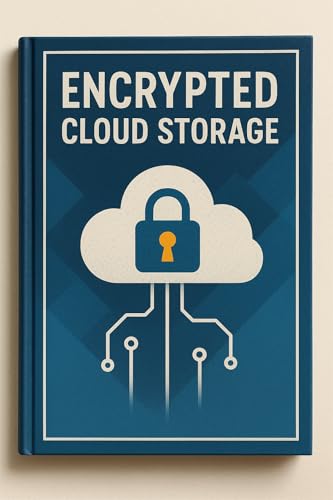
Encrypted Cloud Storage (Privacy & Security)
As an affiliate, we earn on qualifying purchases.
As an affiliate, we earn on qualifying purchases.
Frequently Asked Questions
How Do I Ensure Data Security Across Multiple Storage Methods?
To guarantee data security across multiple storage methods, you should implement robust encryption strategies for all data, both at rest and in transit. Additionally, establish strict access controls, giving permissions only to authorized users. Regularly update security protocols, monitor access logs, and use multi-factor authentication to prevent unauthorized access. Combining these measures helps safeguard your data, regardless of where it’s stored, ensuring thorough protection across all storage methods.
What Are the Cost Implications of Splitting Documents?
Splitting documents across multiple storage methods might seem costly at first, but it actually boosts cost efficiency and storage scalability immensely. You avoid bottlenecks and prevent one system from becoming overwhelmed, saving money long-term. While initial setup costs could be higher, the flexibility and growth potential you gain make it a smart investment. Over time, this approach minimizes expenses, maximizes efficiency, and keeps your storage system adaptable for future needs.
How Do I Manage Version Control With Multiple Storage Locations?
You manage version control across multiple storage locations by implementing robust metadata management and strict access permissions. Track document versions using consistent naming conventions and metadata tags to easily identify updates. Regularly synchronize your storage systems, and restrict access to authorized users. This approach helps prevent conflicts, guarantees everyone works on the latest version, and keeps your documents organized and secure across different storage methods.
Can Splitting Documents Affect Compliance With Legal Regulations?
Splitting documents can impact legal considerations and regulatory compliance if you’re not careful. You need to guarantee that the storage methods meet all legal requirements for security, retention, and audit trails. If you fail to adhere to these standards, it could lead to compliance violations or legal issues. So, always verify that each storage method aligns with relevant regulations to maintain compliance and protect sensitive information.
What Tools Are Available to Facilitate Multi-Method Document Storage?
You can use tools like cloud integration platforms and access management solutions to facilitate multi-method document storage. Cloud services such as Dropbox, Google Drive, or specialized enterprise solutions enable seamless integration across different storage methods. Access management tools guarantee secure, controlled access to your documents, regardless of where they’re stored. These tools help you maintain compliance, improve collaboration, and streamline document management across multiple storage platforms effectively.
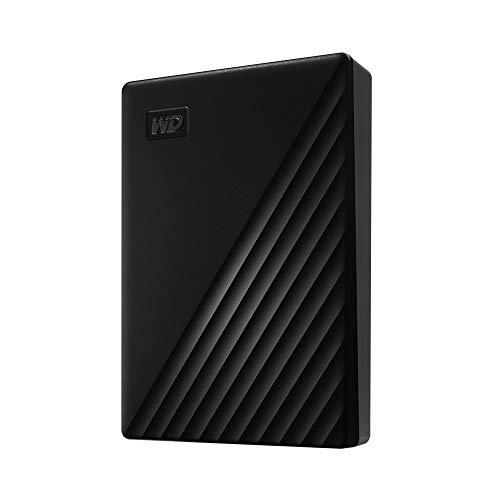
WD 4TB My Passport, Portable External Hard Drive, Black, backup software with defense against ransomware, and password protection, USB 3.1/USB 3.0 compatible – WDBPKJ0040BBK-WESN
- Design: Slim, durable portable hard drive
- Capacity: Up to 6TB storage capacity
- Backup Software: Includes device management and ransomware protection
As an affiliate, we earn on qualifying purchases.
As an affiliate, we earn on qualifying purchases.
Conclusion
By splitting your documents across multiple storage methods, you enhance security, improve access speed, and reduce risks of data loss. Consider that 60% of organizations that diversify their storage report fewer data breaches and faster recovery times. This approach isn’t just about organization—it’s about resilience. So, take control of your data, adopt a multi-method storage strategy, and watch your efficiency and security levels soar. Your data’s safety depends on smart, strategic choices.

Power Backup Systems for Data Centers: UPS, Generators, and Redundancy
As an affiliate, we earn on qualifying purchases.
As an affiliate, we earn on qualifying purchases.
![Free Fling File Transfer Software for Windows [PC Download]](https://m.media-amazon.com/images/I/41Vq6ZqHfjL._SL500_.jpg)
Free Fling File Transfer Software for Windows [PC Download]
- User-Friendly FTP Interface: Intuitive and easy to navigate
- Reliable Site Maintenance: Ensures stable FTP connections
- FTP Automation & Sync: Automates and synchronizes transfers
As an affiliate, we earn on qualifying purchases.
As an affiliate, we earn on qualifying purchases.