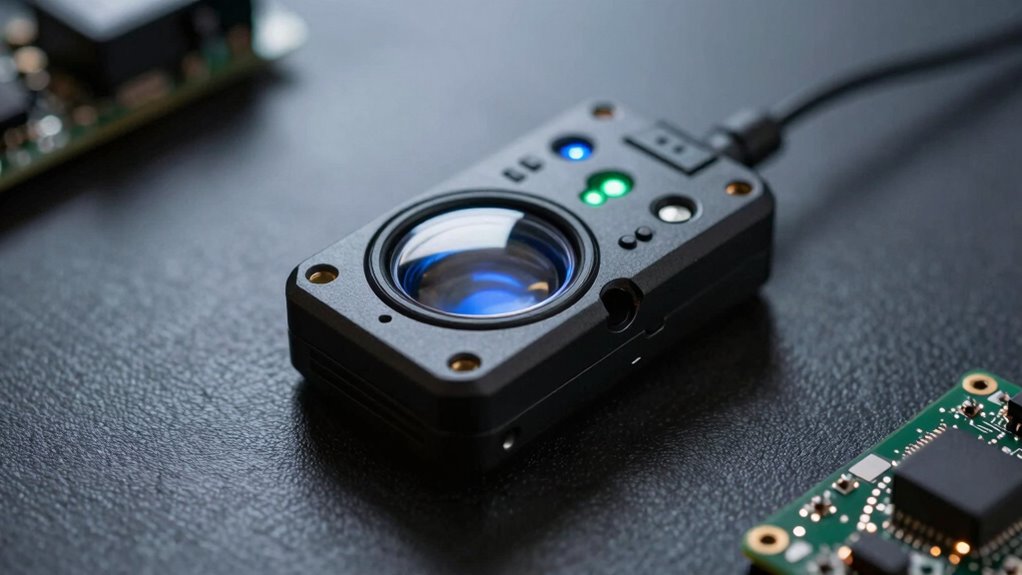

RF bug detectors work by scanning for radio frequency signals emitted by hidden surveillance devices. As you use the device, it detects electromagnetic signals that stand out from normal background noise, helping you locate suspicious transmitters. These tools analyze signal strength and frequency patterns to identify potential bugs and pinpoint their location. By understanding how these signals behave, you can improve your chances of finding covert devices, and if you keep exploring, you’ll discover even more about their capabilities.

Turn your wind-down time into listening time
- Thousands of audiobooks, podcasts and originals
- Listen on your phone, tablet or Echo — also offline
- Cancel anytime
Key Takeaways
- RF bug detectors scan for unusual electromagnetic signals that may indicate hidden transmitters or eavesdropping devices.
- They analyze signal strength and frequency to locate the source of potential covert transmissions.
- Devices differentiate between background noise and suspicious signals using pattern recognition.
- Modern detectors are portable and sensitive, capable of detecting a broad range of frequencies in real-time.
- They help users identify and locate hidden bugs while complying with legal regulations.
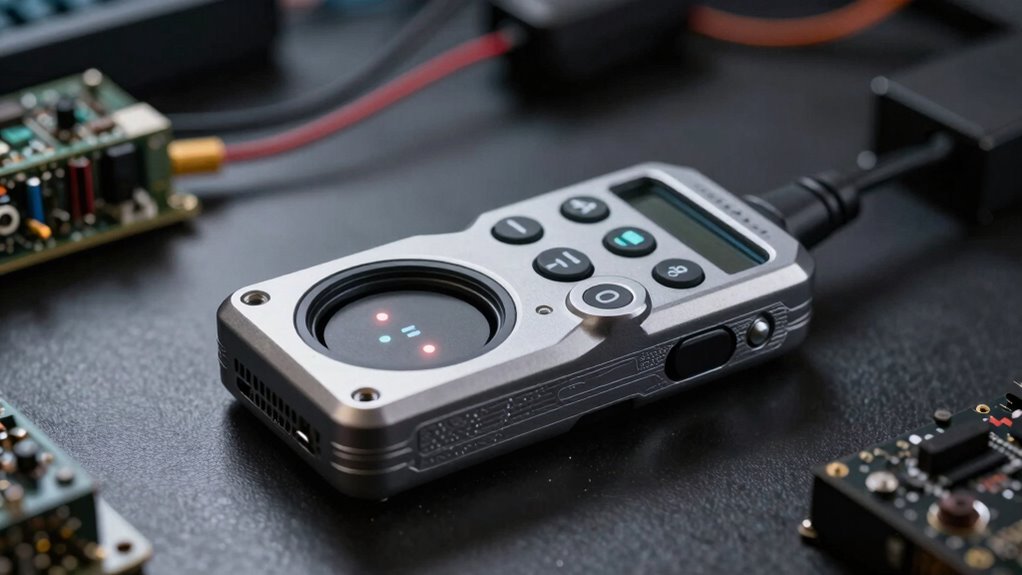
In today’s world, where privacy can easily be compromised, RF bug detectors serve as essential tools for safeguarding your space. These devices scan for radio frequency signals that unauthorized surveillance gadgets emit, helping you identify hidden bugs or eavesdropping devices. Understanding how RF bug detectors work in real life involves knowing their technological foundation and the legal landscape that surrounds their use. Legally, you need to be aware of regulations governing the use of such devices. In many jurisdictions, owning or operating RF detectors is legal for personal security or professional reasons, but using them to interfere with communications or access private information may be prohibited. Being aware of these legal considerations ensures you stay within the law and avoid potential penalties or legal disputes.
The historical development of RF bug detectors traces back to the Cold War era, when surveillance technology advanced rapidly. Initially, these detectors were bulky and specialized, used mainly by government agencies and intelligence services to hunt for covert listening devices. Over time, technological progress made them more accessible and user-friendly. Today’s RF bug detectors are compact, portable, and highly sensitive, capable of scanning a broad range of frequencies. They work by detecting the electromagnetic signals emitted by hidden transmitters, often pinpointing their location through signal strength and frequency analysis. When you operate an RF bug detector, it searches for anomalous signals that don’t match normal background noise, alerting you to potential bugs. The development of RF bug detectors has made them more versatile and effective for a variety of security applications. Additionally, advancements in detection technology continue to improve their accuracy and ease of use. Moreover, understanding the different types of signals that these devices can detect helps users better interpret their findings and distinguish between benign and malicious sources. Recognizing the signal patterns can also aid in quickly identifying the presence of covert surveillance, making these devices invaluable in various security scenarios. Staying informed about evolving surveillance techniques can further enhance your ability to effectively use RF bug detectors.
As an affiliate, we earn on qualifying purchases.
Frequently Asked Questions
Can RF Bug Detectors Detect All Types of Hidden Listening Devices?
RF bug detectors can’t detect all types of hidden listening devices because of wireless vulnerabilities and signal interference. Some bugs use advanced encryption or ultra-low power signals, making detection tricky. Additionally, signal interference from other electronic devices can mask the bugs’ signals or create false alarms. So, while RF detectors are useful, they don’t guarantee complete security against every hidden listening device. Always combine methods for better protection.
How Often Should You Test Your Environment With an RF Detector?
You should test your environment with an RF detector at least once a month, especially if you notice unusual signal interference. Regular testing guarantees your device stays calibrated and sensitive to hidden bugs. Coincidences like increased interference or strange noises can signal a breach, so staying vigilant helps protect your privacy. Frequent checks help catch threats early, giving you peace of mind and confidence that your space remains secure.
Are RF Bug Detectors Effective Against Encrypted or Digital Signals?
RF bug detectors are generally effective against digital detection and unencrypted signals, but they struggle with encrypted signals. Encrypted signals are designed to prevent unauthorized access, making them harder to detect. Digital detection can identify many common bugs, but if signals are heavily encrypted or use advanced digital methods, the detector’s effectiveness decreases. So, while they’re useful tools, they may not catch every encrypted or sophisticated digital signal.
What Is the Average Cost of a Reliable RF Bug Detector?
A reliable RF bug detector typically costs between $200 and $1,000. The price largely depends on its signal strength and device sensitivity; higher-end models can detect even weak signals from long distances. Cheaper devices might miss subtle transmissions, so investing in a more expensive detector guarantees better detection capabilities. When choosing one, consider your specific needs, like the environment you’ll use it in, to get the best value.
Do RF Bug Detectors Work Through Walls or Only in Open Spaces?
Think of RF bug detectors like a lighthouse scanning through fog; they mainly detect wireless signal frequencies in open spaces, with limited detection range. They struggle to see through walls because signals weaken or get blocked, much like sound muffled by a door. So, in real life, these detectors work best in open areas, but detection range limitations mean they might miss bugs hidden behind thick walls or multiple barriers.
As an affiliate, we earn on qualifying purchases.
Conclusion
In the relentless battle against hidden spies, RF bug detectors are your ultimate allies, wielding the power to uncover secret eyes lurking in the shadows. They don’t just detect; they banish covert surveillance like a superhero sweeping through a city of secrets. With these devices, you’re wielding an almost supernatural shield, turning the tables on espionage and paranoia. Stay vigilant, stay protected—because in the world of hidden ears, you’re the one holding the truth’s sword.
As an affiliate, we earn on qualifying purchases.
As an affiliate, we earn on qualifying purchases.
Evergreen bestsellers Picks
bestsellers
As an affiliate, we earn on qualifying purchases.

![I Made Tinnitus My Friend, Then It Disappeared [Video]](https://thedarkpsychology.com/wp-content/uploads/2026/08/i-made-tinnitus-my-friend-then-it-disappeared-video-featured-560x300.jpg)