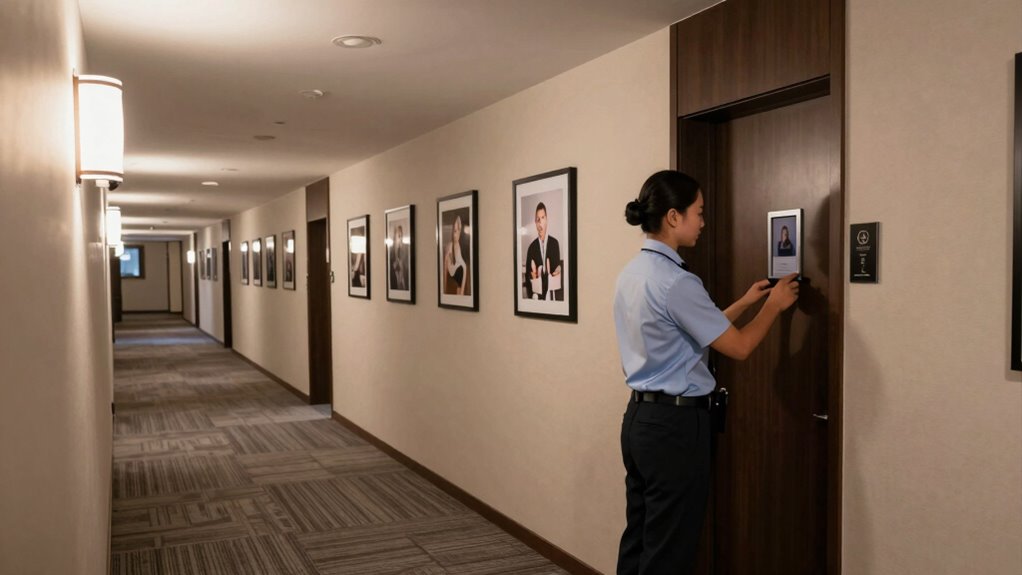

Hotel privacy checks are usually sensible when they focus on security measures like keycard access and surveillance cameras in public areas, but they feel invasive if staff constantly monitor private spaces or ask too many personal questions. Watching your online activity or unannounced room entries can cross the line into overreach. To stay comfortable, trust your instincts, voice concerns, and ask about policies. Stick around, and you’ll discover how to balance safety with your privacy during your stay.

Get self-care and calm essentials delivered free — and shop member deals
- Fast, free delivery on millions of items
- Access to Prime Big Deal Days deals on October 6–7
- Prime Video, Amazon Music and more included
Key Takeaways
- Understand standard security measures like keycard access and cameras, and differentiate them from invasive practices.
- Communicate concerns to hotel staff about privacy boundaries and request alternatives if needed.
- Review the hotel’s privacy policy regarding data collection and online monitoring practices.
- Recognize signs of overreach, such as frequent room checks or excessive surveillance, and escalate concerns.
- Trust your instincts and advocate for a balance between safety and personal privacy during your stay.
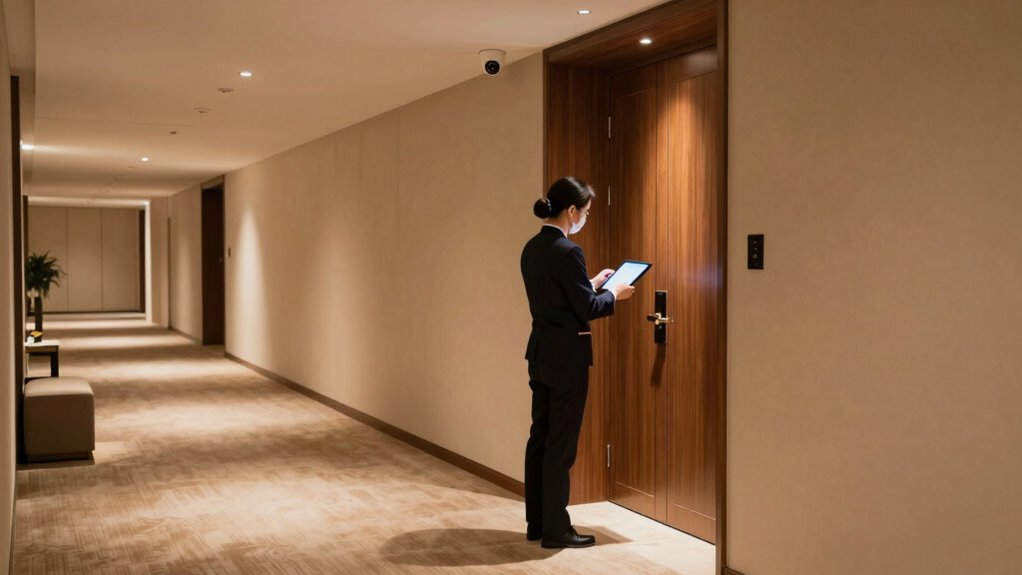
Have you ever wondered whether your privacy is truly protected during a hotel stay? It’s a valid concern, especially since you’re trusting a business with your personal space and information. When you check into a hotel, your guest privacy should be a priority, but it’s also important to recognize where boundaries are set and where they might be pushed. Hotel security measures are designed to safeguard your belongings and personal data, but some practices can feel intrusive or raise questions about what’s acceptable. Understanding what’s reasonable and what’s overreach can help you navigate your stay more confidently.
Hotels typically implement security protocols like keycard access, security cameras, and staff background checks to protect your guest privacy. These measures are generally sensible, aimed at preventing theft, unauthorized access, or disturbances. For example, surveillance cameras in public areas serve a clear purpose and are standard across the industry. However, when cameras are placed in private spaces like hallways outside rooms or in elevators, it can feel invasive. It’s essential to be aware of where security measures are in place and to voice concerns if you find them excessive or intrusive. Likewise, hotel staff have a duty to respect your privacy, but sometimes their presence or actions can cross the line—such as unannounced room entries or excessive questioning about your plans. Maintaining a balance between necessary security and respecting guest privacy is key.
Some hotels go beyond basic security and introduce monitoring systems that track Wi-Fi usage or collect data about your online activities. While these might be justified for network security, they can also feel like an invasion of privacy if not transparently communicated. You should be cautious about what information you share and inquire about data collection policies upfront. Additionally, understanding guest privacy rights can help you advocate for yourself in these situations. It’s also helpful to be aware that some hotel security protocols—like monitoring online activity—are increasingly common but should always be balanced with privacy considerations. As technology advances, hotels may introduce new monitoring practices, which makes it even more crucial to stay informed about what is standard and what crosses ethical boundaries. Recognizing the extent of surveillance and its implications is an important part of protecting your privacy. Being aware of privacy concerns in the context of hotel security can help you identify when measures are becoming overly invasive. On the other hand, some security practices spiral into paranoia—like frequent room checks or overly aggressive surveillance—that can make your stay less comfortable and more stressful. It’s a fine line between ensuring safety and intruding on personal space.
Ultimately, your role is to stay informed and vigilant. Read the hotel’s privacy policy, ask questions about security measures, and trust your instincts. If something doesn’t sit right, don’t hesitate to request a different room or escalate your concerns. Hotel security is vital, but it shouldn’t come at the expense of your guest privacy. Striking that balance is about knowing what’s sensible and recognizing when security measures are spiraling into overreach. By staying proactive, you can enjoy your stay with peace of mind—knowing your privacy is respected while your safety is prioritized.
As an affiliate, we earn on qualifying purchases.
Frequently Asked Questions
Can Hotel Privacy Policies Vary Significantly Between Countries?
Yes, hotel privacy policies can vary markedly between countries because of cultural differences and varying privacy expectations. In some places, you might find more relaxed policies, while others prioritize strict privacy measures. You should always check local customs and hotel policies before your stay. Understanding these differences helps you set realistic expectations and guarantees your privacy needs are respected, no matter where you travel.
Are There Legal Limits to Hotel Surveillance?
You’ll be surprised to learn that laws on hotel surveillance vary, but guest consent is often legally required. Hotels must follow strict limits, especially regarding data encryption to protect your info. In many places, they can’t monitor your room without permission, ensuring your privacy rights are respected. Always read policies carefully and ask questions if you feel uncomfortable—your privacy is protected by law in numerous jurisdictions.
How Can Guests Protect Their Data During Check-In?
To protect your data during check-in, focus on digital security and personal privacy. Use strong, unique passwords when accessing hotel Wi-Fi or apps, and avoid sharing unnecessary personal details. Turn off location services if not needed and verify the hotel’s Wi-Fi is secure before connecting. Always read privacy policies, and consider using a VPN for added security. These steps help safeguard your information and maintain your privacy throughout your stay.
Do Hotels Share Guest Information With Third Parties?
Hotels generally don’t share your guest data with third parties without your consent, but some may do so for marketing or partner collaborations. Always review the privacy policy to understand how your information’s handled. Be cautious, as sharing guest data can lead to privacy breaches. If you’re concerned, ask the hotel directly about their data-sharing practices and request that your information not be shared with third parties.
What Rights Do Guests Have to Access Their Privacy Data?
You have the right to access your privacy data, and hotels must respect this. They typically require your guest consent before collecting or processing your information, and you can request details about how long they retain your data. If you’re concerned, ask the hotel about their data retention policies and how they handle your information, ensuring your privacy rights are protected under applicable laws.
portable door lock for hotel rooms
As an affiliate, we earn on qualifying purchases.
As an affiliate, we earn on qualifying purchases.
Conclusion
Remember, hotel privacy checks are like walking a tightrope—you want to stay secure without losing your sense of freedom. Be vigilant, ask questions, and trust your instincts. Think of your privacy as a delicate glass sculpture: handle it with care, but don’t let fear shatter your experience. Striking that balance keeps your stay safe and enjoyable, turning a simple trip into a treasured memory—where peace of mind shines as brightly as the city lights outside your window.
As an affiliate, we earn on qualifying purchases.
As an affiliate, we earn on qualifying purchases.
Halloween Picks
halloween
As an affiliate, we earn on qualifying purchases.