

After narcissistic abuse, setting boundaries can feel tough because you worry about appearing cruel or harsh. You might fear others’ disappointment or anger, which makes it hard to prioritize your needs. Remember, boundaries are about protecting your mental health and self-respect, not punishing others. Recognizing this helps you see boundaries as empowering rather than mean. If you keep exploring, you’ll discover ways to rebuild confidence and stand firm in your limits.
Key Takeaways
- Fear of appearing cruel stems from beliefs that boundaries are selfish or harsh, conflicting with self-respect.
- Narcissistic abuse distorts perception, making boundaries feel like rejection or punishment to avoid perceived conflict.
- Concerns about hurting others often mask fears of rejection, shame, or unresolved guilt from past manipulation.
- Establishing boundaries challenges false narratives that prioritizing oneself is unkind or unjustified.
- Building emotional resilience helps reframe boundaries as acts of self-care, reducing fears of being perceived as cruel.

Recovering from narcissistic abuse requires setting clear boundaries to protect your emotional well-being. After enduring manipulation and emotional exploitation, you might find yourself hesitant to establish limits, fearing you’ll come across as cruel or unkind. This fear often stems from the intense confusion and guilt narcissists instill, making it feel wrong to prioritize your own needs. But remember, boundaries aren’t about punishment or being mean—they’re about safeguarding your mental health and fostering emotional resilience. When you set firm limits, you reclaim your power and start rebuilding your self-empowerment. It’s a crucial step toward healing, even if it feels uncomfortable at first.
You might worry that saying no or enforcing boundaries will hurt others’ feelings or lead to conflict. This concern is natural, especially if you’re used to accommodating others to avoid their anger or disappointment. However, the truth is that boundaries allow you to communicate your needs clearly, helping others understand your limits without guilt or shame. By doing so, you reinforce your self-esteem and demonstrate that your well-being matters. Over time, this consistency boosts your emotional resilience, making it easier to stand firm in your choices and resist manipulation. It’s a process of learning to prioritize yourself without feeling guilty for doing so. Recognizing that boundaries are a form of personal empowerment can help you reframe your perspective and ease your fears.
The fear of looking cruel is often rooted in the distorted beliefs that your needs are selfish or that setting boundaries makes you a bad person. But in reality, boundaries are expressions of self-respect. They give you permission to protect your mental health and maintain a sense of control. When you practice self-empowerment through boundary-setting, you challenge the false narrative that your well-being is secondary. This shift not only reduces your anxiety about appearing harsh but also helps you develop emotional resilience, enabling you to handle difficult conversations with confidence. Recognizing that boundaries are a form of self-respect can help reframe your perspective and ease your fears. Additionally, understanding the importance of healthy boundaries can give you a clearer framework for establishing them effectively.
Establishing boundaries also involves understanding the psychological impact of narcissistic abuse, which can influence how you perceive your own needs and limits. Ultimately, establishing boundaries after narcissistic abuse is a crucial step toward reclaiming your life. It’s about recognizing that your needs are legitimate and that you have the right to protect yourself from further harm. While it might feel uncomfortable initially, each boundary you set strengthens your self-empowerment and resilience. Over time, you’ll see that boundaries aren’t cruel—they’re essential for your healing and growth. They help you rebuild trust in yourself and foster healthier relationships grounded in respect and understanding.

Set Boundaries, Find Peace: A Guide to Reclaiming Yourself
As an affiliate, we earn on qualifying purchases.
As an affiliate, we earn on qualifying purchases.
Frequently Asked Questions
How Long Does It Typically Take to Heal From Narcissistic Abuse?
Healing from narcissistic abuse varies for everyone, but it often takes several months to years. During this time, building emotional resilience helps you recover and regain trust in yourself. Practicing self-compassion is essential, as it allows you to process pain without guilt or shame. Be patient and gentle with yourself, acknowledging progress along the way. With consistent effort, you’ll gradually restore your sense of safety and empowerment.
Can Setting Boundaries Trigger Further Narcissistic Manipulation?
Yes, setting boundaries can trigger further narcissistic manipulation if you’re not cautious. Narcissists often use emotional triggers and manipulation tactics to test your limits, making you doubt your boundaries. They may escalate their behavior to regain control or guilt-trip you. To protect yourself, clearly communicate your boundaries, stay consistent, and stay aware of manipulation tactics. Trust your instincts and seek support if you sense ongoing manipulation.
What Are Signs of Healthy Boundaries After Abuse?
You’ll notice healthy boundaries bloom like resilient flowers, standing tall despite storms. You feel emotionally independent, no longer tethered by guilt or fear. You prioritize self-care strategies, nurturing your well-being. Signs include clear communication, respect for your limits, and a sense of safety in interactions. These boundaries empower you to reclaim your space, showing you’re committed to your healing journey and fostering healthier relationships free from manipulation.
How Do I Rebuild Trust in Myself and Others?
To rebuild trust in yourself and others, practice self-compassion and acknowledge your progress. Focus on small, consistent steps that demonstrate your reliability and set healthy boundaries. Cultivate emotional resilience by allowing yourself to feel and process emotions without judgment. Over time, these habits strengthen your confidence, helping you re-establish trust and develop healthier relationships, all while nurturing a kinder, more forgiving attitude toward yourself.
Is It Normal to Fear Losing the Abusive Person if I Set Boundaries?
Yes, it’s normal to fear losing the abusive person when you set boundaries, especially if you’ve developed emotional dependency and fear rejection. You might worry that asserting yourself will lead to abandonment or further harm. These fears stem from past experiences with manipulation and control. Remember, setting boundaries is a crucial step toward healing and protecting your well-being, and it doesn’t mean you’re being cruel—you’re prioritizing your safety and self-respect.
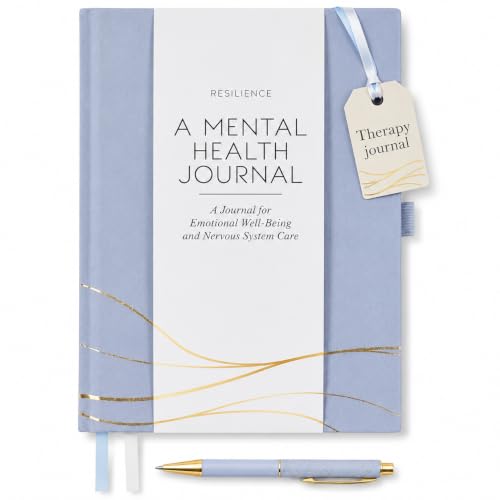
Mental Health Journal for Anxiety & Nervous System Regulation Guided Prompts
MENTAL HEALTH JOURNAL THAT TEACHES YOUR NERVOUS SYSTEM FIRST: Nearly 100 pages of nervous system education opens this…
As an affiliate, we earn on qualifying purchases.
As an affiliate, we earn on qualifying purchases.
Conclusion
Remember, reclaiming your boundaries isn’t about being cruel; it’s about caring for yourself. Embrace the empowering experience of establishing limits, even if it feels unfamiliar or frightening. With patience, persistence, and a touch of bravery, you’ll break free from the burden of past boundaries and build a brave new boundary-strong future. Trust yourself, take tiny steps, and transform trepidation into triumph—because your peace, your power, and your boundaries are worth it.

So, What Is Assertiveness?: An Assertiveness Training Course
As an affiliate, we earn on qualifying purchases.
As an affiliate, we earn on qualifying purchases.

The Little Frog's Guide to Self-Care Card Deck: 52 Affirmation Cards for Self-Love and Empowerment
As an affiliate, we earn on qualifying purchases.
As an affiliate, we earn on qualifying purchases.