
Emotional incest happens when a parent relies on you to meet their emotional needs, creating boundaries that blur the lines between parent and child. This can leave you feeling unsafe, manipulated, and emotionally drained. Signs include keeping family secrets, feeling responsible for your parent’s feelings, or being confided in about adult issues. If this sounds familiar, understanding more can help you recognize and heal from these unhealthy dynamics.

Turn your wind-down time into listening time
- Thousands of audiobooks, podcasts and originals
- Listen on your phone, tablet or Echo — also offline
- Cancel anytime
Key Takeaways
- Emotional incest involves unhealthy boundary crossing where a parent relies on a child for emotional support meant for adult relationships.
- Such closeness can create confusion, guilt, and shame, making children feel responsible for their parent’s feelings.
- This dynamic often remains hidden through secrets or conversations centered on the parent’s issues, eroding safety and trust.
- Recognizing and establishing clear emotional boundaries is essential for healing and restoring a sense of safety.
- Support from therapists and support groups helps rebuild healthy boundaries and emotional resilience.
emotional boundary setting books
As an affiliate, we earn on qualifying purchases.
As an affiliate, we earn on qualifying purchases.
What Is Emotional Incest and How Does It Differ From Healthy Family Closeness?
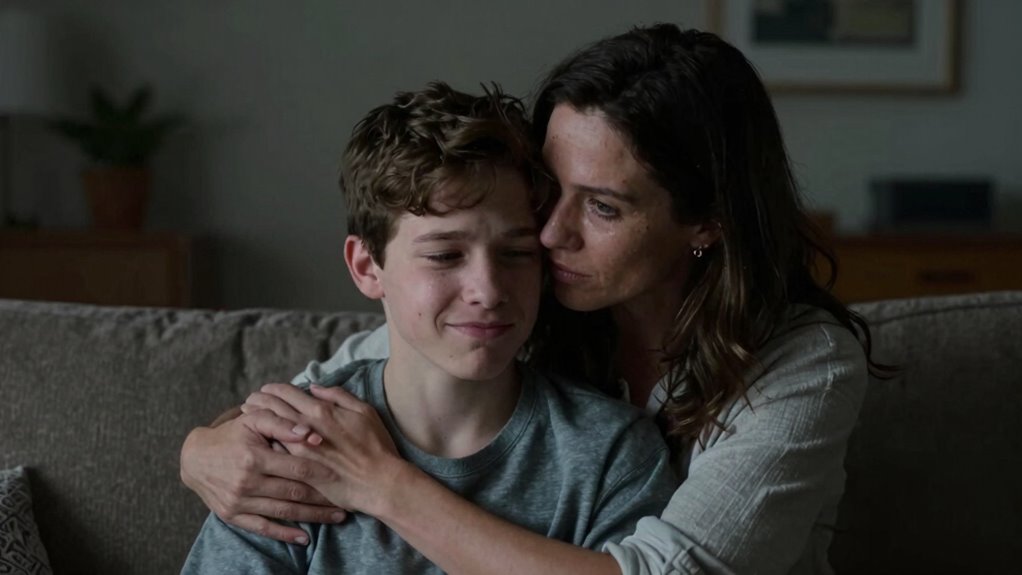
Emotional incest occurs when a parent relies on their child to fulfill emotional needs that should be met by adult relationships, blurring the boundaries between parent and child. Unlike healthy family closeness, where emotional support flows naturally without crossing boundaries, emotional dependency creates an imbalance. You might find yourself turning to your parent for reassurance or guidance that’s inappropriate for your age, feeling overly responsible for their feelings. This confusion of roles damages the family boundaries, making it hard to distinguish healthy support from problematic dependency. It’s important to recognize that real closeness respects boundaries and allows both parent and child to maintain their independence. Emotional incest distorts this dynamic, leading to confusion, stress, and long-term emotional challenges. Recognizing the impact of family dynamics on emotional health is essential for healing and establishing healthier relationships. Understanding how boundaries are maintained can help prevent this kind of emotional confusion from occurring.
therapist recommended boundary tools
As an affiliate, we earn on qualifying purchases.
As an affiliate, we earn on qualifying purchases.

Recognizing emotional incest can be challenging because its signs often hide behind seemingly normal family interactions. You might notice family secrets kept from outsiders or a child feeling responsible for a parent’s emotions. Emotional manipulation is subtle but persistent—your parent may rely on guilt, shame, or undue influence to control your feelings or decisions. Look for behaviors where boundaries feel blurred, such as confiding in you about adult issues or expecting you to fulfill emotional needs beyond your age. You might sense that conversations revolve around your parent’s problems, with little regard for your own. These hidden behaviors often mask an unhealthy dynamic, making it difficult to see the manipulation behind the closeness. Recognizing these signs is the first step toward understanding emotional incest.
emotional resilience support groups
As an affiliate, we earn on qualifying purchases.
As an affiliate, we earn on qualifying purchases.
How Emotional Incest Affects a Child’s Mental and Emotional Health
When emotional boundaries are blurred within a family, children often absorb the weight of adult issues and emotional responsibilities that aren’t theirs to carry. This confusion damages their understanding of healthy family boundaries, leaving them overwhelmed and anxious. You might notice feelings of guilt, shame, or confusion, as they struggle to process inappropriate emotional roles. Over time, this can lead to low self-esteem, difficulty trusting others, and emotional regulation problems. Emotional incest disrupts a child’s ability to develop a secure sense of self, making it hard to establish healthy relationships later on. The lack of clear family boundaries blurs the lines between support and enmeshment, leaving children vulnerable to emotional distress and long-term mental health challenges. Recognizing the nature of emotional boundaries is essential for understanding and addressing these issues, especially since such boundary violations can often be subtle and hard to identify without awareness of family dynamics. Developing an understanding of healthy family roles can help in identifying and preventing emotional boundary violations. Additionally, understanding free floating emotional states can assist in recognizing when boundaries are being compromised, as these emotional states often reflect underlying boundary issues that are not immediately visible.
As an affiliate, we earn on qualifying purchases.
Healing From Emotional Incest: Setting Boundaries and Moving Forward
Healing from emotional incest begins with establishing clear boundaries to restore a healthy sense of self and regain control over your emotional well-being. Trust boundaries help you define what’s acceptable and protect your emotional space, allowing you to rebuild confidence in yourself and others. It’s essential to communicate these boundaries openly and consistently, even if it feels uncomfortable at first. As you set boundaries, you strengthen your emotional resilience—your ability to recover from past wounds and face future challenges with stability. Recognizing and addressing emotional dysregulation can further support your journey toward recovery. Remember, healing isn’t linear; it requires patience and self-compassion. Prioritizing your needs and honoring your feelings create a foundation for genuine healing and healthier relationships moving forward. Recognizing the importance of emotional security can further support your journey toward recovery.
Resources and Support for Survivors and Families

Moving forward in your recovery journey, finding the right resources and support can make a significant difference. Building strong emotional boundaries is essential to protect yourself and foster healing. Support networks, including therapists, support groups, and trusted friends, provide a safe space to share experiences and gain insights. Professional counseling specializes in steering through emotional incest, helping you recognize unhealthy patterns and develop coping strategies. Support groups connect you with others who understand your journey, reducing feelings of isolation. Remember, healing is a process, and accessing these resources empowers you to reclaim your sense of safety and independence. Emotional boundaries are crucial in establishing a healthy sense of self and preventing codependent dynamics. Developing an understanding of skin health and practicing good skincare can also support your emotional well-being by boosting confidence. Don’t hesitate to seek help—your emotional well-being is worth it, and you deserve support every step of the way.
Frequently Asked Questions
Can Emotional Incest Occur Between Siblings or Only Parent-Child?
Emotional incest can happen between siblings, not just parent-child relationships. You might find sibling boundaries blurred, where one sibling relies heavily on the other for emotional support, crossing healthy limits. This disrupts family dynamics, making interactions feel unsafe or unbalanced. Recognizing these patterns helps you set boundaries and foster healthier relationships, ensuring everyone feels secure and respected within the family.
What Long-Term Relationship Issues Stem From Emotional Incest?
You may face long-term issues like difficulty establishing healthy boundaries, struggles with trust rebuilding, and challenges in forming genuine connections. Emotional incest blurs boundaries, erodes trust, and hampers emotional independence. These issues cause confusion, foster dependency, and lead to insecurity in your relationships. Recognizing these patterns helps you develop boundaries awareness and work toward healing, enabling you to build more authentic, safe, and trusting relationships in the future.
How Can a Family Prevent Emotional Incest From Developing?
To prevent emotional incest, you should establish healthy boundaries early and encourage open communication within your family. Make sure each member understands personal limits and respects others’ emotions. Regularly check in about feelings and concerns, fostering a safe space for honesty. By setting clear boundaries and maintaining open dialogue, you help create a family environment where emotional closeness feels safe, supportive, and respectful for everyone involved.
Is Emotional Incest More Common in Certain Cultures or Families?
You might notice emotional incest more often in cultures with strict family secrecy or where close family bonds blur boundaries. In such environments, cultural norms can unintentionally normalize inappropriate emotional closeness, making it seem acceptable. As a result, you might find it harder to recognize unhealthy dynamics. Being aware of these influences helps you set healthier boundaries and seek support if needed, ensuring emotional safety for everyone involved.
Are There Specific Therapies Designed to Address Emotional Incest Recovery?
Yes, specific therapies like trauma-focused cognitive-behavioral therapy (TF-CBT) and Eye Movement Desensitization and Reprocessing (EMDR) are tailored for emotional incest recovery. These therapeutic approaches help you process past trauma and rebuild safety. Healing strategies may also include family therapy and support groups, which guide you through understanding boundaries and fostering healthy relationships. You should work closely with a mental health professional to find the best approach for your healing journey.
Conclusion
Understanding emotional incest helps you recognize when family closeness crosses boundaries. Think of it like a garden: healthy relationships are like well-tended plants, thriving with love and respect. But emotional incest is like invasive weeds — they look familiar but can choke out healthy growth. By setting boundaries and seeking support, you can heal and restore balance. Remember, nurturing safe, respectful connections allows true closeness to blossom, fostering emotional health for everyone involved.
Halloween Picks
halloween
As an affiliate, we earn on qualifying purchases.