A safe contact map helps you quickly identify who to call, text, or avoid during a crisis to protect your safety and emotional health. It clearly groups emergency contacts, trusted friends, mental health professionals, and those to steer clear of, often using color codes or symbols. By organizing your contacts this way, you can act fast and stay calm when moments get overwhelming. Keep exploring to learn how to create and maintain an effective map tailored for your needs.

Turn your wind-down time into listening time
- Thousands of audiobooks, podcasts and originals
- Listen on your phone, tablet or Echo — also offline
- Cancel anytime
Key Takeaways
- Clearly categorize contacts as emergency, support, or avoidance using color codes or symbols for quick reference.
- Identify primary emergency contacts and establish alternative ways to reach them during crises.
- Regularly update your map to reflect changes in contact availability, roles, or support capacity.
- Use the map to prioritize trusted individuals who can provide emotional support or emergency assistance.
- Recognize and avoid contacts that may increase stress or hinder safety during critical situations.
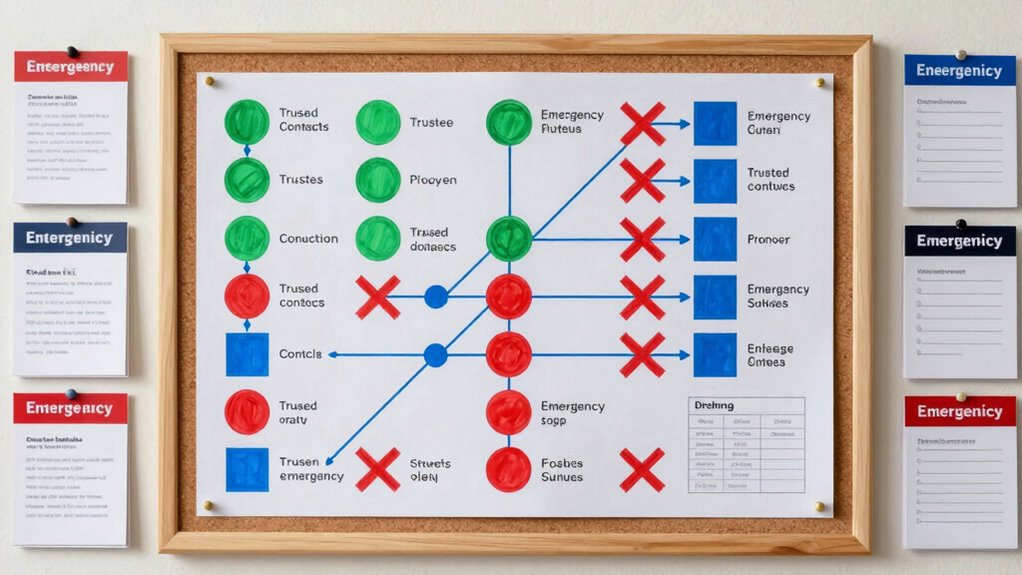
A Safe Contact Map is a powerful tool designed to visualize interactions while prioritizing safety and security. It helps you organize who to call, text, or avoid during different situations, especially in times of crisis. When you create a clear map, you immediately know who provides emotional support and who should be contacted for emergencies. This clarity reduces panic and confusion, allowing you to respond effectively when it matters most. Whether it’s a personal emergency, mental health concern, or a sudden crisis, having a well-structured contact map keeps you grounded. Creating a clear visual reference** can also help you identify gaps in your support network and ensure all key contacts are accounted for. Start by identifying your emergency contacts—these are the people you trust the most in urgent situations. They can include family members, close friends, or mental health professionals. Make sure these contacts are easily accessible, saved in your phone with clear labels, and include alternative ways to reach them if needed. Emergency contacts are your primary line of support, and having them prioritized guarantees you can act swiftly without hesitation. For non-urgent situations, your contact map should also include those who offer emotional support, like trusted friends or therapists. These individuals can help you process feelings, offer guidance, or simply listen when you’re overwhelmed. It’s equally important to recognize who to avoid during a crisis. Not everyone is equipped to handle high-stress situations or provide meaningful support, and some relationships might even become more stressful in tense moments. Your map should clearly mark those contacts you should avoid reaching out to in emergencies, whether due to past conflicts, unsupportive behavior, or other reasons. This prevents you from wasting valuable time on unhelpful interactions and helps you focus on trusted sources. Creating your Safe Contact Map involves more than just listing names; it’s about understanding the role each person plays and how they can support you. Use symbols or color codes to distinguish between emergency contacts, emotional supporters, and contacts to avoid. Incorporating support network awareness into your map can further enhance your preparedness by highlighting the strengths and weaknesses of your current contacts. Additionally, understanding psychological assessments can aid in recognizing which individuals are best suited to provide support based on their traits and tendencies. A comprehensive understanding of supportive traits can help you select the most reliable contacts for different types of crises. Keep the map updated regularly—people’s circumstances change, and so do your needs. During a crisis, having this visual reference can help you stay calm, make decisions faster, and ensure that your safety and emotional well-being are prioritized. Remember, your map is a tool for security, guiding you to the right support at the right time,** without unnecessary stress or delay.
As an affiliate, we earn on qualifying purchases.
Frequently Asked Questions
How Often Should I Review and Update My Contact Map?
You should review and update your contact map at least every three to six months. Regular contact frequency checks guarantee your emergency contacts are current and reliable. Set an update schedule that aligns with major life changes, like moving or changing phone numbers. This way, you stay prepared and connected to the right people when a crisis arises, minimizing confusion and delays during critical moments.
What Should I Do if I Don’T Recognize a Number in My List?
If you don’t recognize a number in your list, stay cautious. Don’t answer immediately, especially if it’s an unknown caller. Let it ring or send a text asking who they are. If it’s an emergency contact or someone important, they’ll usually leave a message or call again. Avoid sharing personal info until you verify the caller’s identity. Trust your instincts, and prioritize your safety in any uncertain situation.
Can I Include Mental Health Resources in My Contact Map?
Did you know that 1 in 4 adults experiences mental health issues annually? Yes, you can include mental health resources in your contact map. It’s crucial to have emergency contacts for mental health crises, such as crisis hotlines or therapists, readily accessible. By doing so, you guarantee support is just a call or text away, helping you or others navigate difficult moments with professional guidance.
How Do I Prioritize Contacts for Different Types of Crises?
To prioritize contacts for different crises, consider your emergency preparedness plan. Identify trusted contacts for each situation—like family for emotional support or medical professionals for health issues. Make sure each contact is reliable and easily accessible. Clearly label their roles in your contact map. This way, during a crisis, you quickly reach the right person, reducing stress and ensuring a swift response.
Is It Safe to Share My Contact Map With Others?
Did you know that nearly 70% of people worry about privacy concerns when sharing personal information? Sharing your contact map can be risky if you don’t follow proper sharing protocols. It’s generally safe if you trust the recipients and set clear boundaries, but avoid sharing it with strangers or unsecured platforms. Always consider privacy concerns and establish sharing protocols to protect your contacts and maintain control over your information.
crisis safety contact list template
As an affiliate, we earn on qualifying purchases.
As an affiliate, we earn on qualifying purchases.
Conclusion
Having a safe contact map puts you in control during a crisis. It’s easy to overlook, but knowing exactly who to call, text, or avoid can make all the difference in staying safe and calm. Think of it as your personal emergency blueprint—like a GPS guiding you through tough moments. Even if you’re worried about remembering every contact, keep it simple: list key people first. This quick reference can truly save you when it matters most.
mental health support contact card
As an affiliate, we earn on qualifying purchases.
As an affiliate, we earn on qualifying purchases.
As an affiliate, we earn on qualifying purchases.
Fall Picks
fall essentials
As an affiliate, we earn on qualifying purchases.