
To spot fear‑obligation‑guilt (FOG) in real time, use a FOG Detector Worksheet to stay alert to subtle cues like mood shifts, pressure, or discomfort during interactions. Notice emotional responses such as obligation, shame, or defensiveness, and observe external signals like tone or body language. Recording these reactions helps you recognize patterns and set boundaries early. Continuing with these strategies reveals how to respond effectively and maintain your emotional balance.
Key Takeaways
- Familiarize yourself with FOG signs and emotional cues to quickly identify influence tactics during interactions.
- Use the worksheet to observe and record real-time feelings, reactions, and external signals indicating FOG triggers.
- Analyze interaction patterns to distinguish genuine needs from pressure, obligation, or guilt-based influences.
- Employ reflection tables to interpret deeper meanings behind signals, helping set boundaries and protect well-being.
- Regular review of worksheet entries enhances awareness, improves response strategies, and fosters emotional resilience.
As an affiliate, we earn on qualifying purchases.
What Is FOG? Understanding Fear, Obligation, and Guilt
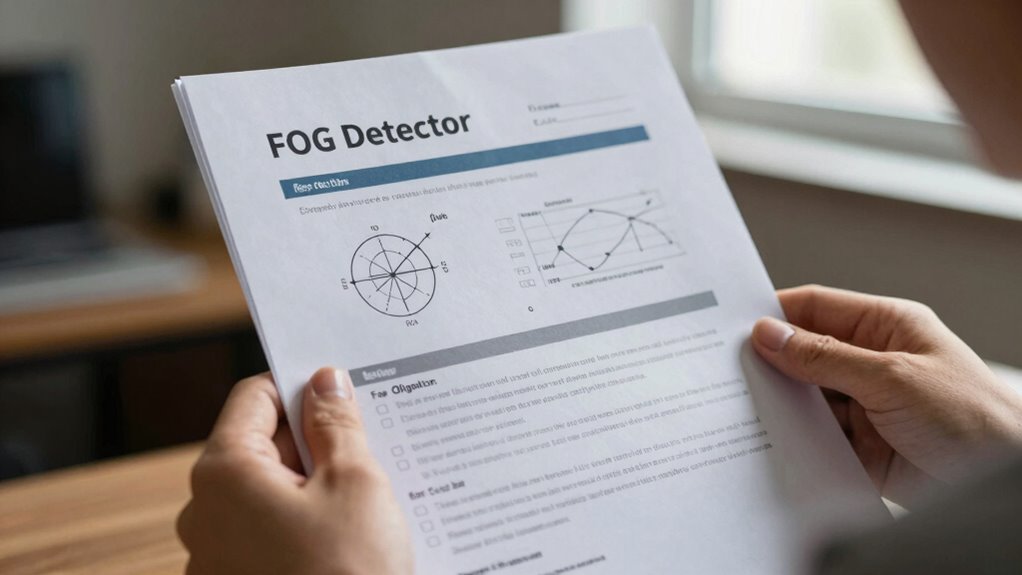
Have you ever felt pressured to do something because you were afraid, felt obligated, or guilted into it? That’s the essence of FOG—fear, obligation, and guilt driving your actions. Emotional awareness plays a key role here; recognizing these feelings helps you understand why you’re doing something. When you pay attention to your emotions, you can identify whether fear, obligation, or guilt is influencing your decisions. Boundary setting becomes essential to break free from this pressure. By establishing clear limits, you protect your emotional space and prevent FOG from controlling your choices. Learning to distinguish these feelings empowers you to respond consciously rather than react automatically. This awareness is the first step to regaining control over your actions and fostering healthier interactions. Being mindful of your emotional responses can also help you recognize sensations like discomfort, which often accompany FOG. Additionally, understanding the concept of Free Floating can help you realize that these feelings are not fixed and can be managed through intentional self-awareness. Recognizing the impact of emotional triggers can further support your ability to manage FOG effectively. Developing skills in self-awareness can significantly improve your capacity to respond to manipulation and emotional pressure.
As an affiliate, we earn on qualifying purchases.
Recognizing FOG Signs During Interactions
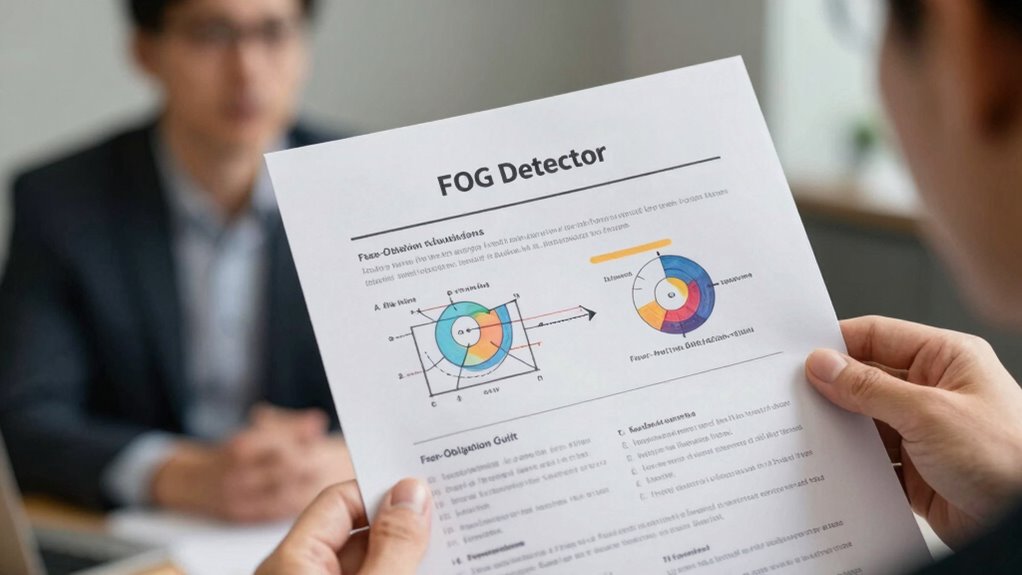
During interactions, recognizing FOG signs requires you to stay alert to subtle cues that indicate someone is trying to influence your feelings. Pay attention to emotional awareness—the signs that your mood shifts unexpectedly or you feel pressured. Guilt trips, subtle blame, or insistence on compliance can signal FOG tactics. Setting boundaries helps protect your emotional space and prevents manipulation. Watch for these signs:
| FOG Sign | Emotional Response | Boundary Setting Tip |
|---|---|---|
| Guilt-inducing comments | Feelings of obligation or shame | Clearly state your limits |
| Subtle blame | Defensive or anxious feelings | Firmly reinforce boundaries |
| Overly persistent requests | Frustration or discomfort | Politely decline or pause |
| Avoidance of direct questions | Confusion or hesitation | Redirect focus or ask for clarity |
| Emotional appeals | Overwhelm, confusion | Reaffirm your boundaries |
Additionally, being aware of your own reactions helps you recognize when you might be influenced by emotional manipulation, allowing you to respond more effectively. Developing emotional awareness can enhance your ability to detect and counteract FOG tactics in real time. Recognizing signs such as ear wax odor or other subtle cues can aid in understanding underlying motives, even when they are not overt. Cultivating this awareness also helps you differentiate between genuine concerns and manipulative tactics, strengthening your emotional resilience. Being mindful of subtle emotional cues can further improve your capacity to identify covert influences as they occur.
self-reflection journal for emotional resilience
As an affiliate, we earn on qualifying purchases.
As an affiliate, we earn on qualifying purchases.
How to Use the FOG Detector Worksheet Step-by-Step

To effectively use the FOG Detector Worksheet, start by familiarizing yourself with the different FOG signs and their emotional responses. This boosts your emotional awareness, helping you identify when guilt, obligation, or fear is surfacing during interactions. Next, observe your feelings and reactions carefully, noting any signs of FOG. Use the worksheet to record specific cues, emotions, and triggers you experience. This process encourages clear boundary setting, as you distinguish between genuine needs and FOG-driven pressures. Recognizing patterns through emotional awareness can help you anticipate and manage FOG triggers more effectively. As you progress, review your entries regularly to notice patterns and refine your responses. Developing a deeper understanding of mental health awareness and related psychological concepts can enhance your ability to recognize FOG indicators early. Staying consistent with this step-by-step approach helps you develop greater emotional awareness and strengthens your ability to set healthy boundaries, reducing the influence of FOG in your interactions.
As an affiliate, we earn on qualifying purchases.
How to Spot FOG Cues Instantly and Respond
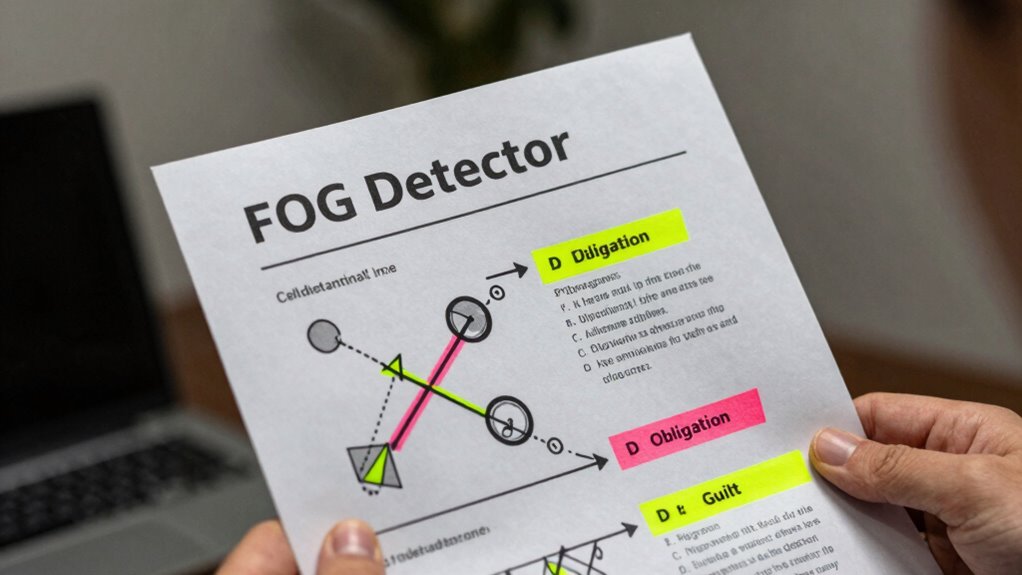
Recognizing FOG cues instantly can substantially improve your ability to respond thoughtfully and maintain healthy boundaries. To do this, develop emotional awareness so you notice subtle shifts in your feelings and reactions when someone pushes your limits. Pay attention to physical signals like tension or discomfort, as well as instinctual feelings of guilt or obligation. Once you spot these cues, practice boundary setting by calmly acknowledging your emotions and asserting your needs. Respond with clear, respectful communication rather than reactive or defensive language. The key is staying present and aware, so you can act intentionally instead of falling into FOG’s trap. Cultivating awareness of style and communication cues can further enhance your response effectiveness. Developing an understanding of emotional triggers can help you identify FOG cues more quickly. With consistent awareness, you’ll respond more effectively, protecting your emotional space and reinforcing your boundaries in real time.
Interpreting FOG Signals and Setting Boundaries

Interpreting FOG signals requires paying close attention to your internal responses and external cues. When you notice feelings of discomfort or anxiety, recognize these as signs to evaluate your emotional boundaries. Observe communication cues like tone, body language, or sudden silence, which often reveal underlying FOG signals. Setting boundaries helps protect your well-being and clarifies your limits. Use this table to reflect on deeper meanings behind your responses:
| Internal Response | External Cue |
|---|---|
| Feeling pressured or anxious | Tone of voice or abrupt changes |
| Emotional overwhelm | Body language or physical distance |
| Guilt or obligation felt | Lack of genuine engagement |
| Need for clarity | Ambiguous or vague communication |
Practical Tips for Managing FOG in Daily Life and Relationships
Managing FOG in your daily life and relationships requires practical strategies that help you stay grounded and assertive. One key approach is developing emotional awareness, so you can identify when feelings of guilt or obligation are clouding your judgment. Recognize these emotions early and question whether they align with your values. Boundary setting is equally essential; clearly communicate your limits and prioritize your needs without feeling guilty. Practice saying no when necessary and reaffirm your boundaries consistently. These steps empower you to stay focused on what’s best for you, reducing FOG’s influence. Additionally, understanding the importance of body jewelry measurements and materials can provide natural ways to support your mental clarity and emotional well-being. By staying aware of your emotions and setting firm boundaries, you create a healthier environment where you can think clearly and act confidently, even when external pressures try to sway you. Cultivating emotional resilience can further enhance your ability to navigate challenging situations with confidence and calmness, especially when you recognize the role of inner wisdom in guiding your decisions. Incorporating knowledge of pinball machine weights and technology can also serve as a metaphor for understanding your inner strength and the importance of maintaining balance amidst external pressures.
Frequently Asked Questions
Can FOG Be Completely Eliminated From Interactions?
Fog can’t be completely eliminated from interactions because emotional awareness and behavioral patterns influence how we communicate. You might reduce misunderstandings by recognizing when fear, obligation, or guilt cloud your conversations. By staying mindful and observing these patterns, you can create clearer, more authentic interactions. While total elimination is unlikely, consistent practice helps you navigate and lessen fog, fostering healthier and more honest connections with others.
How Long Does It Typically Take to Recognize FOG Cues?
You can usually recognize fog cues within seconds, but perception delay varies based on your awareness and experience. Recognition speed depends on how familiar you are with fear-obligation-guilt patterns and your attentiveness during interactions. The more mindful you are, the quicker you’ll spot these cues. Over time, your perception delay shortens, enabling you to respond faster and manage emotional dynamics more effectively.
Are There Specific Personality Types More Prone to FOG?
You might find that certain personality traits, like high anxiety or low emotional resilience, make you more prone to fog. People who tend to be overly empathetic, people-pleasers, or struggle with boundaries are often more sensitive to fear, obligation, and guilt cues. These traits can cloud judgment and make it harder to see through fog. Recognizing this helps you stay alert and better handle emotional triggers before they take hold.
How Does FOG Differ Across Cultures or Age Groups?
You’ll notice that fog varies across cultures and age groups due to cultural nuances and age-related perceptions. In some cultures, guilt may be more socially accepted, intensifying fog, while others emphasize independence, reducing it. Age influences how you experience fog too; younger people might be more aware of social pressures, making fog more prominent, whereas older individuals often develop resilience. Recognizing these differences helps you better understand and manage your own fog responses.
What Are Common Mistakes When Responding to FOG Signals?
Did you know that 65% of communication barriers stem from misinterpreted emotional triggers? When responding to fog signals, you often make mistakes like reacting impulsively or ignoring underlying fears, which worsens misunderstandings. To avoid this, stay aware of your emotional triggers, listen actively, and clarify intentions. This approach helps you navigate fog signals effectively, fostering clearer communication and reducing unnecessary guilt or obligation.
Conclusion
By learning to spot FOG in real time, you gain the power to protect your boundaries and trust your instincts. Sometimes, it’s no coincidence that the right moment to pause appears — it’s a sign to listen deeper. When you recognize fear, obligation, or guilt guiding your reactions, you can choose clarity over chaos. Remember, awareness is your best tool; with practice, you’ll find that true connection unfolds naturally, without losing yourself.