
TL;DR

Turn your wind-down time into listening time
- Thousands of audiobooks, podcasts and originals
- Listen on your phone, tablet or Echo — also offline
- Cancel anytime
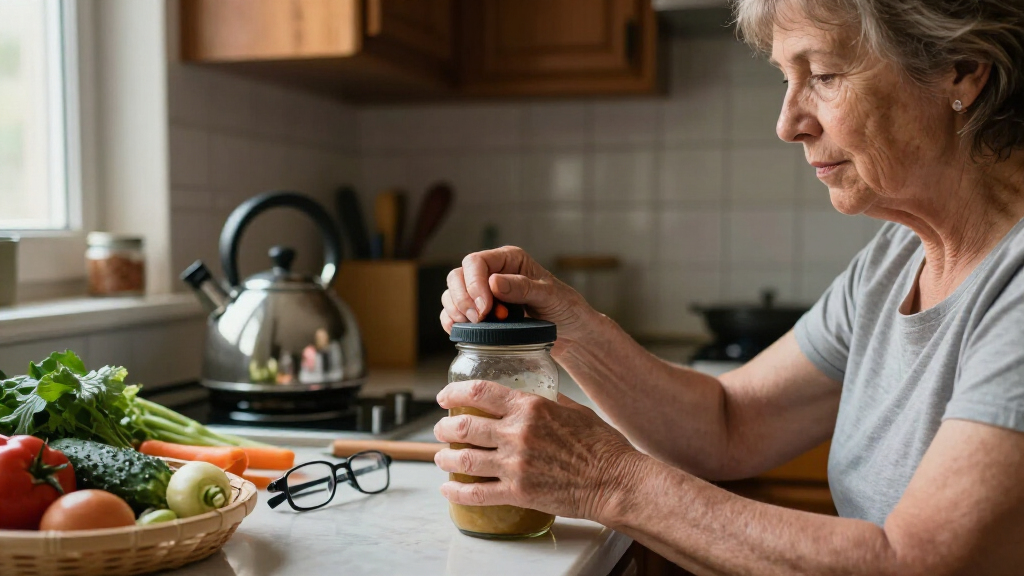
Search and coverage interest is visibly rising around the theme of no longer being able to do things the way one used to — a wellness topic tied to aging, injury, illness and life change. The trend is confirmed as a spike in attention, but the specific trigger for the current wave is unconfirmed.
Around the wellness topic “When You Can’t Do Things the Way You Used To”, online interest is spiking, according to trend-tracking metadata surfaced through a wellness content feed. The phrase describes a long-recognized human experience — adjusting when injury, illness, aging, or life change makes former routines, abilities, or paces of living impossible to sustain — and the current wave of attention suggests a growing audience actively seeking guidance on it. What is driving the spike is not yet confirmed.
The verified fact at this stage is narrow: the topic is circulating in a wellness category via an RSS-tracked feed, indicating elevated search and coverage interest relative to its usual baseline. No specific event, public figure statement, study release, or publication launch has been identified as the trigger. This article therefore treats the trend itself — not any particular incident — as the news development.
The subject matter is well established in health and psychology literature. Clinicians and researchers have long documented that adjusting to functional change — whether from chronic illness, injury, aging, caregiving demands, or major life transitions — is a common psychological challenge. Longstanding frameworks such as grief models applied to non-death losses, rehabilitation psychology, and acceptance-based therapies address exactly this experience: mourning a former self or former capacity while rebuilding a workable present.
Interest in this theme typically rises in periods when large numbers of people face disrupted routines or diminished capacity — for example, after widespread illness, during economic stress that forces career or lifestyle changes, or as aging populations confront physical limits. Any or all of these could plausibly be feeding the current attention, but the metadata does not specify a cause, and no source has publicly claimed one.
Why Renewed Attention to Lost Abilities Matters
Public interest spikes in wellness topics matter because they often signal unmet need. When many people simultaneously search for help with coping after losing former abilities, it suggests that a substantial share of the population is quietly struggling with change — whether physical, cognitive, professional, or social — and looking for practical frameworks rather than platitudes.
Health authorities, including bodies like the World Health Organization and national health services, have long framed healthy aging and chronic-disease adaptation as public health priorities, emphasizing that adjustment support affects mental health outcomes, treatment adherence, and quality of life. A visible surge of interest can also shape what publishers, clinicians, and app makers produce next, potentially widening access to credible guidance — or, conversely, opening space for poorly sourced content.
For readers, the significance is direct: recognizing this as a common, legitimate experience reduces isolation and encourages seeking qualified help rather than self-diagnosis or silent struggle.
The Long History of Adjustment Research
The idea that losing a former way of functioning is a genuine psychological loss is decades old. Rehabilitation psychology, which grew alongside modern medicine’s ability to survive illness and injury, has long studied how people adapt to permanent or long-term change. Grief frameworks extended beyond death — sometimes called “living losses” or non-finite loss — were formalized by researchers in the 1980s and 1990s to describe experiences like chronic illness and disability.
More recently, acceptance-based approaches, notably Acceptance and Commitment Therapy, have emphasized psychological flexibility: accepting what cannot be changed while committing to valued action within new limits. Public discussion of long-term symptoms after viral illness, post-concussion limits, long COVID, and age-related physical change has repeatedly pushed this topic into mainstream wellness conversations in recent years.
None of these established threads, however, has been confirmed as the driver of the current spike.
What the Trend Data Does Not Show
The trigger for the spike is unconfirmed. It is not known whether the interest stems from a news event, a viral article or social media discussion, a seasonal pattern (such as post-holiday reflections or new-year health resolutions), a public figure’s disclosure, or gradual organic growth in an aging or chronically ill population’s online behavior.
It is also unclear who is searching: whether the interest comes primarily from older adults, people with chronic illness or injury, caregivers, or people navigating career and lifestyle disruption. The feed metadata does not provide demographic or geographic breakdowns, and no named individuals, organizations, or publications have been confirmed as attached to this wave of attention.
What Watchers of the Trend Should Track
If the spike is event-driven, a specific trigger — a study, article, broadcast segment, or public statement — should surface in coverage within days, at which point this story would shift from trend observation to event reporting. If it is organic, expect continued growth in published guides, expert commentary, and clinical resources on adjusting to functional and lifestyle change.
Readers dealing with this experience personally should rely on qualified professionals — physicians, physical therapists, and licensed mental health providers — for individual guidance, and treat general wellness content, including this trend report, as orientation rather than advice.
Key Questions
What exactly is confirmed about this story?
Only the trend itself: elevated search and coverage interest around the topic of no longer being able to do things the way one used to, detected via a wellness content feed. No specific event or statement has been verified as the cause.
Why would interest in this topic spike?
Plausible drivers include aging populations, chronic illness and long-term symptom awareness, injury recovery, and lifestyle or career disruption. Historically these themes correlate with attention cycles in wellness media, but the current trigger is unknown.
Is struggling with lost abilities a recognized health issue?
Yes. Rehabilitation psychology and grief research have long recognized adjustment to functional loss as a common psychological process. Anyone experiencing persistent distress should consult a qualified health professional.
Does the spike indicate a wider health problem?
Not necessarily. Search interest reflects curiosity and need for information, not diagnosed conditions. No inference about population health can be drawn from this metadata alone.
Where can I get reliable help with this?
Qualified sources include primary care physicians, rehabilitation specialists, and licensed mental health professionals. National health services and major health organizations also publish vetted guidance on adjusting to chronic illness, injury, and aging-related change.
Source: rss
Fall Picks
fall essentials
As an affiliate, we earn on qualifying purchases.