
TL;DR
Search interest in whether older adults should prioritize strength training or cardio is rising. Experts emphasize both are important, but definitive guidance remains unclear. This trend reflects ongoing debates in aging fitness strategies.
Recent data shows a surge in online interest regarding whether aging individuals should prioritize strength training or cardio exercises. A metabolic health expert highlights that while both forms of exercise offer benefits, clear, evidence-based guidance on which should be prioritized remains elusive, making this a relevant topic for older adults seeking effective fitness strategies.

Turn your wind-down time into listening time
- Thousands of audiobooks, podcasts and originals
- Listen on your phone, tablet or Echo — also offline
- Cancel anytime
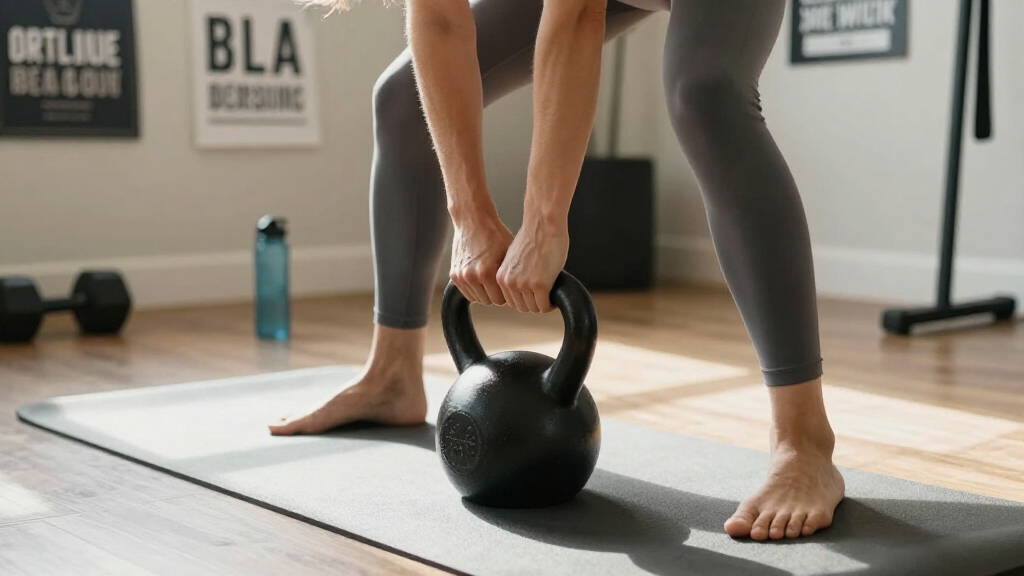
The trend appears to be driven by increasing awareness of the importance of physical activity for healthy aging, with many searching for guidance on optimizing workout routines. Experts note that strength training helps preserve muscle mass and bone density, which decline with age, potentially reducing fall risk and frailty. Conversely, cardio exercises improve cardiovascular health, endurance, and metabolic function, which are also critical for aging populations.
Current research supports both exercise types, but there is no definitive consensus on whether one should be prioritized over the other for older adults. The debate is fueled by differing interpretations of studies and the practical considerations of individual health conditions. Some health authorities recommend a balanced approach, combining both, but individual needs can vary significantly.
Why This Trend Matters for Aging Fitness Strategies
This rising interest underscores the ongoing challenge for older adults and health practitioners to determine the most effective exercise focus for aging populations. Clarifying whether strength or cardio should take precedence could influence public health recommendations, exercise programming, and individual choices, ultimately impacting health outcomes and quality of life in later years.
Popular right now

De'Longhi La Specialista Touch Semi-Automatic Espresso Machine with Grinder

Philips 3300 Series Fully Automatic Espresso Machine with LatteGo

Dyson V8 Cyclone Cordless Vacuum
As an affiliate, we earn on qualifying purchases.
Current Understanding of Exercise Priorities in Aging
It is well-established that both strength training and cardiovascular exercise confer health benefits for older adults. Strength training can help combat sarcopenia, the age-related loss of muscle mass, and improve bone health. Cardio workouts are associated with better heart health, improved insulin sensitivity, and increased endurance. Despite these known benefits, guidance on prioritization remains mixed, partly due to differing interpretations of research and individual health factors.
The trend of increased search interest likely reflects broader societal shifts towards healthy aging and personalized fitness. It also coincides with more accessible information about exercise routines for seniors, yet definitive, universally accepted recommendations are lacking. Experts agree that a combined approach is generally advisable, but the debate about which should be emphasized more continues.
Unconfirmed Guidance and Ongoing Research Gaps
While both strength and cardio exercises are recognized as beneficial, there is no clear, evidence-based consensus on which should be prioritized for aging individuals. The existing studies often have conflicting results, and individual health conditions complicate blanket recommendations. Researchers acknowledge that more targeted, long-term studies are needed to clarify the most effective exercise focus for different age and health profiles.
Future Directions in Aging Exercise Recommendations
Researchers and health authorities are expected to continue investigating the relative benefits of strength versus cardio exercises for older adults. Future studies may lead to more personalized guidelines based on health status, mobility, and specific aging concerns. Meanwhile, experts recommend a balanced routine that includes both types of activity, tailored to individual capabilities and preferences.
Key Questions
Should older adults focus more on strength training or cardio?
Currently, experts suggest a balanced approach, as both are important. The optimal emphasis depends on individual health, goals, and medical advice.
Is there a clear scientific consensus on exercise prioritization for seniors?
No, the research provides strong support for both, but definitive guidance on prioritization remains lacking due to conflicting findings and individual differences.
Can I do both strength and cardio exercises safely as I age?
Yes, with proper guidance and medical clearance, combining both types of exercise is generally safe and beneficial for most older adults.
How should I start if I want to improve my fitness at an older age?
Consult with healthcare professionals to develop a personalized plan that gradually incorporates strength and cardio exercises suited to your health status.
Will future research clarify which exercise type is more important?
Ongoing studies aim to better understand this, but current evidence supports a balanced approach until more definitive guidance is available.
Source: rss