
TL;DR

Turn your wind-down time into listening time
- Thousands of audiobooks, podcasts and originals
- Listen on your phone, tablet or Echo — also offline
- Cancel anytime
Researchers have announced a new sustainable method using spirulina to combat vitamin B12 deficiency. This breakthrough could provide a plant-based, eco-friendly alternative to traditional supplements, but further testing is needed.
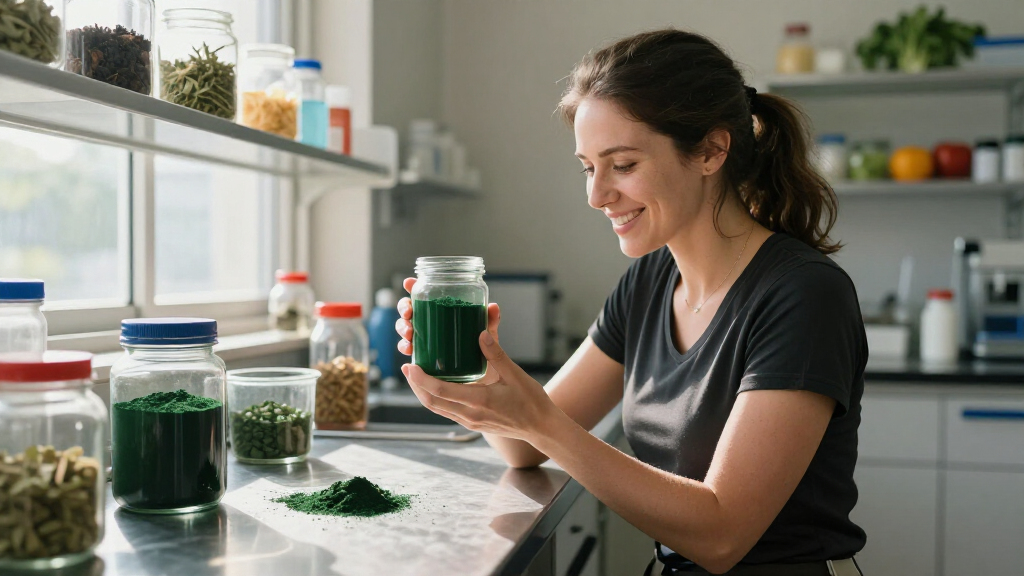
Researchers have introduced a novel, sustainable method utilizing spirulina to combat vitamin B12 deficiency, a widespread nutritional concern affecting millions globally. The development, announced in recent scientific circles, offers a plant-based alternative to traditional B12 supplements, which often rely on animal-derived sources or synthetic production. This breakthrough could significantly impact public health and environmental sustainability, especially as demand for vegan and eco-friendly nutrition options rises.
The new approach involves cultivating spirulina, a blue-green algae known for its high nutritional profile, in environmentally controlled systems optimized for B12 production. According to the research team, this method not only enhances the vitamin’s bioavailability but also reduces the carbon footprint associated with traditional B12 manufacturing. While the specific techniques are still under peer review, preliminary data suggest that spirulina can be a reliable, sustainable source of vitamin B12 when processed correctly.
Experts involved in the project emphasize that this solution could benefit populations with limited access to animal products or synthetic supplements. The research is currently in the experimental phase, with ongoing trials to confirm the stability, safety, and efficacy of the spirulina-derived B12. The team has indicated that initial results show promising levels of bioavailable vitamin B12, comparable to conventional supplements, but full validation is pending peer-reviewed publication.
Potential Impact on Sustainable Nutrition and Public Health
This development could transform how vitamin B12 deficiency is addressed worldwide, especially among vegans, vegetarians, and populations with limited access to animal products. As B12 deficiency can lead to serious health issues such as anemia and neurological problems, a plant-based, environmentally friendly source offers a promising alternative to current supplementation methods. Additionally, the sustainability aspect aligns with global efforts to reduce the environmental impact of food production, potentially decreasing reliance on animal agriculture and synthetic manufacturing processes.
As an affiliate, we earn on qualifying purchases.
Growing Interest in Plant-Based B12 Solutions Amid Environmental Concerns
Vitamin B12 deficiency affects an estimated 10-15% of the global population, with higher prevalence among vegans and those with limited access to animal products. Traditionally, B12 is obtained through animal-derived foods or synthetic supplements, which can be costly or environmentally intensive to produce. Recent years have seen increasing interest in plant-based sources and sustainable production methods, driven by both consumer demand and environmental considerations.
Spirulina has long been recognized as a nutrient-dense algae, rich in proteins, vitamins, and minerals. However, its potential as a reliable B12 source has been debated, with previous studies indicating variability in B12 content depending on cultivation and processing methods. The current research aims to address these limitations by developing controlled cultivation techniques that maximize B12 yield and bioavailability.
This trend in exploring algae-based nutrition solutions is partly driven by broader shifts toward sustainable food sources, with the algae industry expanding rapidly in recent years. The recent spike in coverage and scientific interest appears to be a response to both the nutritional needs and environmental goals of modern society.
As an affiliate, we earn on qualifying purchases.
Unconfirmed Aspects and Pending Validation of B12 Efficacy
While initial data are promising, it remains uncertain whether the spirulina-derived vitamin B12 will meet all safety and efficacy standards required for widespread use. The research is still undergoing peer review, and long-term stability, bioavailability, and potential side effects need further investigation. Additionally, regulatory approval processes are yet to be initiated or completed.
As an affiliate, we earn on qualifying purchases.
Next Steps Include Peer Review and Large-Scale Trials
The research team plans to publish detailed findings in a peer-reviewed journal shortly, followed by larger clinical trials to validate the nutritional benefits and safety of the spirulina-based B12. Regulatory submissions and potential commercialization efforts are expected to follow, aiming to bring this sustainable solution to market within the next few years.
As an affiliate, we earn on qualifying purchases.
Key Questions
How does spirulina compare to traditional B12 supplements?
Preliminary results suggest that spirulina can produce bioavailable vitamin B12 comparable to synthetic supplements, but full validation is pending peer review and clinical trials.
Is this solution suitable for vegans and vegetarians?
Yes, as spirulina is a plant-based algae, it offers a sustainable, vegan-friendly source of vitamin B12 once fully validated and approved.
When might this new method become available for consumers?
If validation and regulatory approval proceed smoothly, commercial availability could be expected within three to five years.
Are there any risks associated with consuming spirulina-derived B12?
Risks are currently unknown; ongoing research aims to establish safety, but consumers should wait for regulatory approval before widespread use.
Could this approach replace synthetic B12 production entirely?
Potentially, if proven effective and scalable, spirulina-based B12 could reduce reliance on synthetic manufacturing, but this is still under investigation.
Source: rss
Fall Picks
fall essentials
As an affiliate, we earn on qualifying purchases.