
TL;DR

Turn your wind-down time into listening time
- Thousands of audiobooks, podcasts and originals
- Listen on your phone, tablet or Echo — also offline
- Cancel anytime
Health authorities warn of an increase in Cyclospora infections linked to contaminated produce. Experts recommend specific hygiene practices to prevent infection. The situation is ongoing, with investigations continuing into outbreak sources.
Health officials have confirmed an increase in Cyclospora infections linked to contaminated fresh produce, prompting urgent public health advisories. The parasite causes severe intestinal illness and poses a significant risk to consumers if proper precautions are not followed.
According to the Centers for Disease Control and Prevention (CDC), there have been over 200 reported cases of Cyclospora infections across multiple states in the past month. The parasite, which is transmitted through ingestion of contaminated food or water, causes symptoms such as diarrhea, cramping, nausea, and fatigue. Investigations are ongoing to identify the specific sources of contamination, but preliminary evidence points to imported fresh produce, including berries and leafy greens.
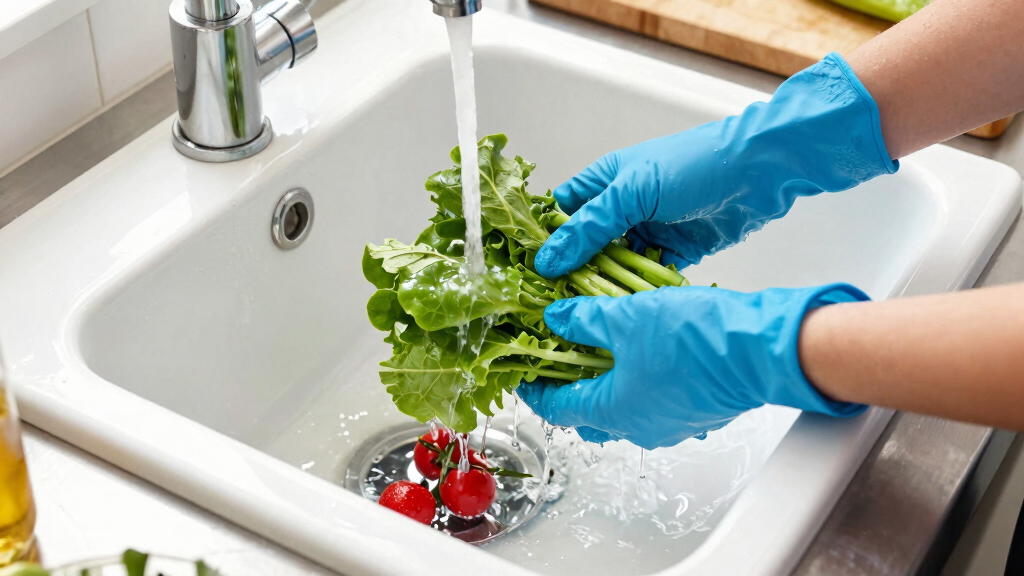
Health authorities recommend thorough washing of all fruits and vegetables with clean water, peeling produce when possible, and practicing good hand hygiene before handling food. No specific treatments are currently available to eliminate Cyclospora from contaminated food, making prevention critical.
Health Risks and Prevention Strategies for Consumers
The rise in Cyclospora cases highlights the importance of food safety practices and awareness among consumers. Severe gastrointestinal illness can lead to dehydration and complications, especially in vulnerable populations such as the elderly, children, and immunocompromised individuals. Following recommended hygiene measures can significantly reduce the risk of infection and help prevent further outbreaks.
produce wash for fruits and vegetables
As an affiliate, we earn on qualifying purchases.
As an affiliate, we earn on qualifying purchases.
Recent Outbreaks and Food Safety Concerns
In recent weeks, multiple outbreaks of Cyclospora have been reported across the United States, with the CDC and FDA investigating links to imported produce from specific regions. Historically, Cyclospora outbreaks have been associated with contaminated berries and leafy greens, often linked to international suppliers. The parasite thrives in warm, moist environments, making certain produce more susceptible to contamination during growing and processing.
Previous outbreaks have underscored the challenges in controlling Cyclospora, as it cannot be killed by standard washing or cooking, emphasizing the need for strict food safety protocols at all stages of production and distribution.
“Consumers should wash all produce thoroughly and practice good hand hygiene to reduce the risk of Cyclospora infection.”
— Dr. Jane Smith, CDC Epidemiologist
As an affiliate, we earn on qualifying purchases.
Unconfirmed Sources and Ongoing Investigations
While investigations are underway, it is not yet confirmed which specific farms or suppliers are responsible for the contamination. The full scope of the outbreak and the exact pathways of transmission remain under review, and additional cases may be reported as testing continues.
As an affiliate, we earn on qualifying purchases.
Next Steps in Outbreak Response and Consumer Guidance
Health agencies will continue monitoring case reports and conducting laboratory testing to identify contamination sources. Public health officials are expected to update safety guidelines and issue recalls if specific contaminated products are confirmed. Consumers are advised to stay informed through official channels and follow hygiene recommendations as the investigation proceeds.
As an affiliate, we earn on qualifying purchases.
Key Questions
What foods are most likely to be contaminated with Cyclospora?
Fresh produce such as berries, leafy greens, and herbs have been linked to previous outbreaks and are considered higher risk, especially if imported from regions with less stringent safety controls.
Can cooking kill Cyclospora?
No. Cyclospora is resistant to standard cooking temperatures, so thorough washing and hygiene practices are essential for prevention.
How can I reduce my risk of infection?
Wash all fruits and vegetables with clean water, peel produce when possible, wash hands thoroughly before handling food, and avoid consuming produce from untrusted sources during outbreaks.
Are there any treatments for Cyclospora infection?
Yes. Antibiotics like trimethoprim-sulfamethoxazole are effective, but only upon diagnosis. Prevention remains the best approach to avoid infection.
What should I do if I experience symptoms after eating produce?
If you develop symptoms such as diarrhea, nausea, or cramps, consult a healthcare provider promptly for diagnosis and treatment.
Source: google-trends
Fall Picks
fall essentials
As an affiliate, we earn on qualifying purchases.