
TL;DR

Get self-care and calm essentials delivered free — and shop member deals
- Fast, free delivery on millions of items
- Access to Prime Big Deal Days deals on October 6–7
- Prime Video, Amazon Music and more included
Thorsten Meyer AI has published a guide comparing three student-planning resources while outlining a two-to-three-hour process for creating a customized digital planner. Its findings show that the products serve different audiences, and only one reviewed workbook includes AI prompts directly.
Thorsten Meyer AI has published a guide comparing three student-planning products and setting out a two-to-three-hour setup process for students who want to organize assignments, deadlines and study schedules with artificial intelligence. The report finds that the reviewed options differ sharply in purpose, with only one directly offering AI prompts for student-success planning.
The comparison covers the AI-Powered Student Success Planning Workbook, the book The Power of AI for Educators and the SUNEE Student Planner for 2026-2027. Thorsten Meyer AI categorizes the workbook as best suited to career and technical education, alternative education and opportunity-youth programs. It includes AI prompts and advising resources, but the source says detailed specifications and customer reviews were unavailable.
The educator-focused book provides AI integration strategies for teachers and school administrators, according to the report. It is not a student planner and does not offer a direct scheduling system. The SUNEE paper planner, measuring 6.5 by 8.3 inches and covering July 2026 through June 2027, offers weekly and monthly pages, tabs, pockets and goal-setting sections, but no AI functions.
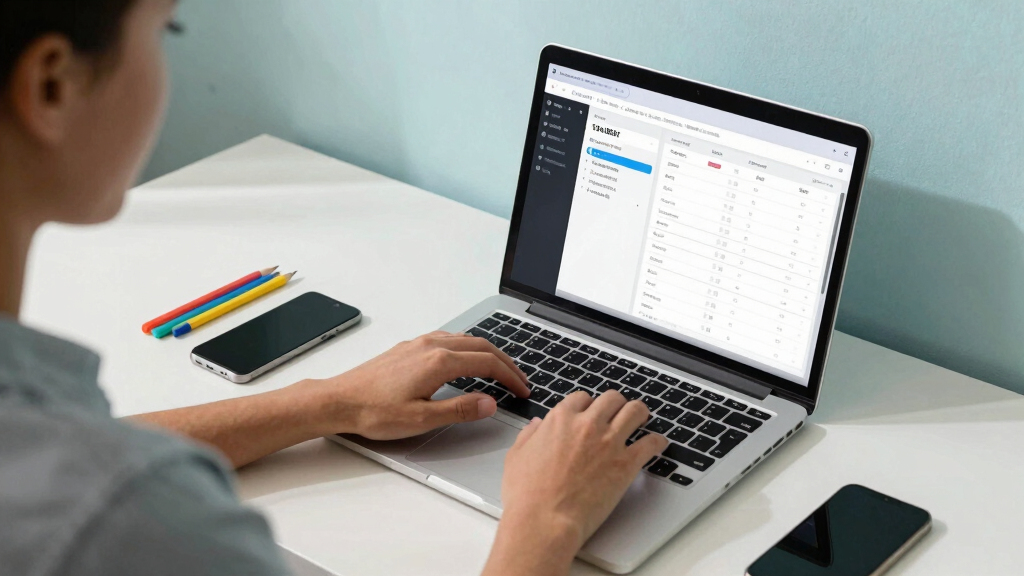
For students building a digital planner, the guide recommends using a computer or tablet, an AI service such as Notion AI or ChatGPT, and a calendar application such as Google Calendar. Students are advised to gather their academic timetable, deadlines and recurring tasks before setup. The process assumes basic experience with web applications and account connections, and the estimated completion time is two to three hours.
Different Tools Serve Different Students
The comparison shows that the label “AI student planner” can cover products with very different functions. A workbook containing prompts may support advising and individualized learning plans, while an educator strategy book addresses teaching practice rather than student scheduling. A paper planner can provide dependable offline organization but cannot automatically sort tasks, generate study plans or synchronize deadlines.
That distinction matters because students may otherwise buy a resource that does not match their needs. Those seeking automated planning and calendar integration would still need to configure a digital system, even after purchasing one of the reviewed products. Students who want a ready-made schedule may find the SUNEE planner simpler, while specialized programs may gain more from the workbook’s advising framework.
As an affiliate, we earn on qualifying purchases.
From Paper Schedules to AI
Traditional academic planners organize work through weekly and monthly layouts. AI-supported systems can add task classification, suggested study blocks and rewritten action lists, although their usefulness depends on the quality of the information entered and the platform’s available features. The Thorsten Meyer AI guide combines a product comparison with instructions for assembling such a system from existing digital services.
The source also states that it may earn commissions from qualifying Amazon purchases. That affiliate relationship does not establish that the products are ineffective, but readers should distinguish the publisher’s evaluations from independent testing or customer evidence. No controlled performance comparison, long-term student trial or pricing analysis is included in the supplied material.
“This planner excels for specialized educational programs needing tailored success tools but isn’t ideal for everyday student scheduling.”
— Thorsten Meyer AI, on the AI-Powered Student Success Planning Workbook
As an affiliate, we earn on qualifying purchases.
Evidence Gaps Limit Product Comparison
It is not clear from the supplied source whether the three products were tested through extended classroom or student use. The workbook reportedly lacks customer ratings and detailed specifications, while the guide provides no comparable information on prices, privacy protections or subscription costs for the suggested AI platforms. The material also does not establish whether calendar connections require paid accounts.
The report does not provide evidence that any reviewed option improves grades, attendance or assignment completion. Claims about personalization, workload reduction and engagement should be treated as publisher or product-positioning claims unless supported by independent research. The best choice remains dependent on a student’s program, budget and preferred planning method.
Google Calendar student organization
As an affiliate, we earn on qualifying purchases.
As an affiliate, we earn on qualifying purchases.
Students Must Test Their Workflow
Students following the guide would next select a paper, workbook or digital format, enter confirmed class dates and deadlines, and test whether reminders and suggested study blocks match their actual workload. A short trial can reveal duplicated calendar entries, unrealistic schedules or tasks that need manual adjustment.
Anyone using an AI service should review its privacy and data-retention settings before entering grades, disability information or other sensitive records. Students should also verify AI-generated schedules against official school calendars and instructor instructions. The source does not announce a later test, updated comparison or follow-up publication.
As an affiliate, we earn on qualifying purchases.
Key Questions
Which reviewed product includes AI features?
The AI-Powered Student Success Planning Workbook is the only reviewed product described as directly including AI prompts and tools. It is aimed mainly at specialized education and advising programs.
Is the educator book a student planner?
No. The Power of AI for Educators is described as a strategy book for teachers and administrators, not a scheduling tool students can use directly.
Does the SUNEE planner use artificial intelligence?
No. The SUNEE 2026-2027 planner is a paper weekly and monthly planner. Its strengths are portability and a ready-made academic-year layout.
How long does a customized digital planner take to set up?
The guide estimates two to three hours for users with basic digital skills. Setup time may vary with the number of courses, deadlines and app connections.
What information should students prepare?
Students should gather their class timetable, assignment deadlines and recurring academic tasks. They should check every generated plan against official course information before relying on it.
Source: Thorsten Meyer AI
Halloween Picks
halloween
As an affiliate, we earn on qualifying purchases.