
TL;DR

Turn your wind-down time into listening time
- Thousands of audiobooks, podcasts and originals
- Listen on your phone, tablet or Echo — also offline
- Cancel anytime
Bird flu is rapidly spreading among wild bird populations. Authorities warn that backyard bird feeders may facilitate the virus’s transmission, potentially worsening outbreaks. Precautionary measures are advised.
Health officials have confirmed that the highly contagious bird flu is currently spreading across multiple regions in North America and Europe. Authorities warn that backyard bird feeders could exacerbate the situation by facilitating the transmission among wild bird populations, which could then spread to domestic poultry and potentially impact human health. This development underscores the importance of taking preventive measures at the community level to control the outbreak.
Recent surveillance from wildlife agencies indicates a significant increase in bird flu cases among wild bird populations, including waterfowl and raptors. The virus, identified as H5N1, has been detected in multiple states and countries, prompting health and wildlife officials to issue warnings about the risks associated with backyard bird feeders. Experts say that feeding stations can concentrate birds in small areas, increasing the likelihood of virus transmission through direct contact or contaminated surfaces.
According to the U.S. Department of Agriculture (USDA), several cases of bird flu have been confirmed on poultry farms, raising concerns about spillover from wild birds. The Centers for Disease Control and Prevention (CDC) emphasizes that while the risk of human infection remains low, the virus’s spread among bird populations could have serious ecological and economic consequences. Officials recommend that backyard bird watchers remove or clean feeders regularly and avoid feeding sick or dead birds.
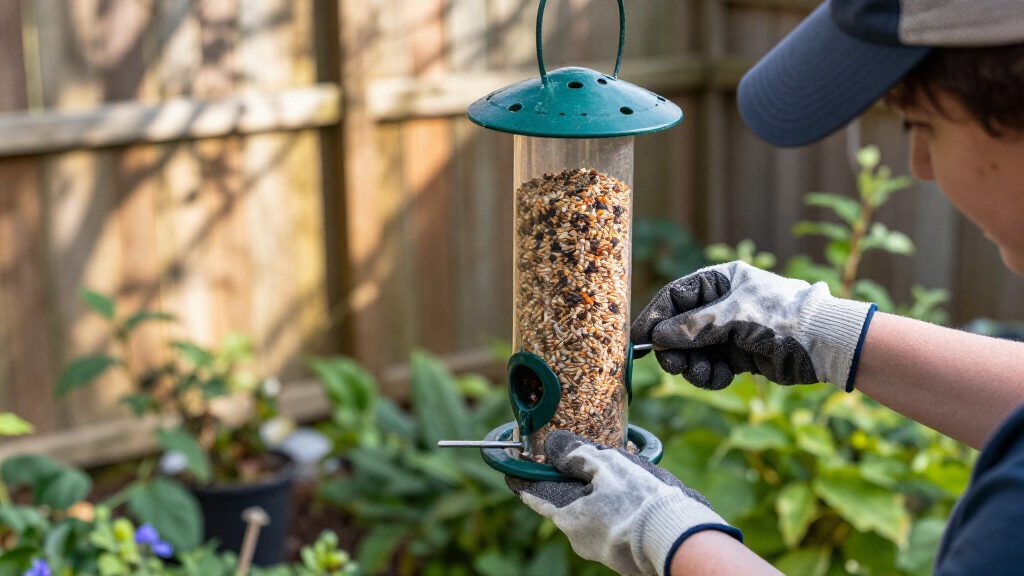
Why Backyard Feeders Could Worsen Bird Flu Spread
The warning about backyard feeders is significant because it highlights a simple yet effective way for the virus to spread among wild bird populations. Increased bird congregation at feeders can facilitate transmission of the virus through saliva, feces, and contaminated surfaces. This could lead to larger outbreaks, affecting not only wild bird populations but also domestic poultry, which can have dire economic impacts. Furthermore, while human infection remains rare, the potential for the virus to mutate or recombine raises concerns about zoonotic transmission.
As an affiliate, we earn on qualifying purchases.
Recent Bird Flu Outbreaks and Community Impact
Bird flu, particularly the H5N1 strain, has been detected in wild bird populations in North America and Europe since early 2023. The virus has caused significant mortality among waterfowl and raptors, with outbreaks also reported on poultry farms. Historically, bird flu outbreaks have led to large-scale culling of poultry to prevent spread, causing economic losses for farmers. The current surge is notable for its rapid geographic spread and the involvement of multiple wild bird species, increasing the complexity of control efforts.
Wildlife agencies have been monitoring the situation closely, issuing advisories to prevent human exposure and reduce opportunities for bird-to-bird transmission. The role of backyard feeders has come under scrutiny as a potential factor in amplifying the spread, prompting calls for public awareness campaigns and behavioral changes among bird enthusiasts.
“Feeding stations can inadvertently create hotspots where the virus can easily spread among birds, especially during peak migration seasons.”
— Dr. Lisa Monroe, Wildlife Disease Expert
As an affiliate, we earn on qualifying purchases.
Uncertainties About Transmission Risks and Human Impact
It is not yet clear how significantly backyard feeders contribute to the overall spread of bird flu compared to natural transmission among wild birds. While experts warn of increased risks, quantitative data on the impact of feeders is limited. Additionally, the potential for the virus to mutate and infect humans remains low but cannot be ruled out entirely, and ongoing surveillance is needed to assess this risk.
As an affiliate, we earn on qualifying purchases.
Next Steps for Monitoring and Prevention
Wildlife and health agencies will continue to monitor bird flu outbreaks, with increased testing of wild and domestic birds. Public health officials plan to issue further guidance on bird feeding practices and may implement restrictions or advisories if outbreaks worsen. Researchers are also studying the virus’s transmission dynamics to better understand the role of human activity, including backyard feeders, in disease spread.
In the coming weeks, authorities expect to evaluate the effectiveness of current preventive measures and adjust recommendations accordingly. Public cooperation, including removing or cleaning feeders and reporting sick birds, will be crucial in controlling the outbreak.
As an affiliate, we earn on qualifying purchases.
Key Questions
Can I still feed backyard birds during a bird flu outbreak?
Experts recommend temporarily removing or disinfecting bird feeders to reduce the risk of spreading the virus. If you choose to feed birds, do so with clean feeders and avoid contact with sick or dead birds.
What signs indicate a bird might be infected with bird flu?
Infected birds may appear lethargic, have discolored or missing feathers, or exhibit neurological symptoms such as tremors or difficulty flying. Sick or dead birds should be reported to local wildlife authorities.
Is bird flu dangerous to humans?
While human infections are rare, the CDC states that the risk remains low. However, caution is advised when handling sick or dead birds, and good hygiene practices should be followed.
How does bird flu spread among wild birds?
The virus primarily spreads through direct contact with infected birds or contaminated environments, such as water or surfaces. Congregation at feeders can increase these contact opportunities.
Will the bird flu affect domestic poultry farms?
Yes, outbreaks among wild birds can spill over into poultry farms, leading to culling and economic losses. Farmers are advised to implement strict biosecurity measures.
Source: rss
Evergreen bestsellers Picks
bestsellers
As an affiliate, we earn on qualifying purchases.