

The ‘You Took It Wrong’ defense shifts blame from your words to how others perceive them, ignoring that communication isn’t just about intent. People interpret messages through their experiences, culture, and mood, so misunderstandings happen naturally. Focusing only on your intentions overlooks how your words are received and prevents genuine understanding. If you want healthier conversations, it’s essential to consider perception and clarify meaning—there’s more to learn about breaking this cycle.
Key Takeaways
- The ‘You Took It Wrong’ defense shifts focus from message clarity to perceived intent, ignoring how others interpret words.
- Relying solely on intent assumes universal understanding, overlooking context, tone, and individual perception.
- Human communication is filtered through personal experiences, making interpretation subjective and prone to miscommunication.
- An intent-only approach dismisses the importance of how messages are received, hindering genuine dialogue and accountability.
- Effective communication requires acknowledging both intent and perception to prevent misunderstandings and foster empathy.

When someone claims you misunderstood their words or actions, they’re often employing what’s known as the ‘You Took It Wrong’ defense. This tactic shifts the focus away from their intentions and onto your perceived misinterpretation. It suggests that their message was clear, but somehow, you failed to grasp it the right way. While it may seem straightforward, this approach often masks deeper issues like intent misinterpretation and communication breakdown. You might find yourself caught in a loop where the other person insists their words were innocent or neutral, ignoring how your perception or context might have shaped your understanding differently.
The problem with this defense is that it relies heavily on the assumption that intent is obvious and universally understood. But in reality, intent isn’t always transparent, and words can carry multiple meanings depending on the listener’s perspective. When someone dismisses your concerns by saying, “You just took it wrong,” they’re dismissing the possibility that their message itself was ambiguous or poorly delivered. This can create a cycle where both parties feel misunderstood, yet only one side is willing to acknowledge the role of communication breakdown. Instead of addressing the root of the misinterpretation, the focus shifts to defending their intent as pure, which often isn’t enough to resolve the underlying issue.
This intent-only logic can be problematic because it ignores the complexity of human communication. People interpret messages through their own filters—past experiences, cultural background, current mood—all of which influence how they perceive what’s being said. When someone insists their intent was harmless, they overlook how their words may have been received differently. This can lead to ongoing misunderstandings, resentment, or even conflict, because the real problem isn’t just what was said, but how it was understood. Recognizing the limitations of intent-only logic is essential for improving communication and fostering understanding. Additionally, understanding that biodiversity encompasses the diverse ways humans interpret and respond to messages can help create more inclusive dialogues.
You need to recognize that communication isn’t just about intent; it’s about how those intentions are conveyed and perceived. Relying solely on intent misinterpretation as an excuse prevents genuine dialogue from happening. It dismisses your experience and avoids accountability for how words are delivered and received. A more productive approach involves examining both intent and perception, acknowledging that misinterpretations happen and that clarifying meaning is essential. Only then can you break the cycle of communication breakdown, fostering understanding rather than defensiveness. Furthermore, cultivating awareness of the different interpretative filters people use can lead to more empathetic exchanges.
Communication Skills Training: How to Talk to Anyone, Connect Effortlessly, Develop Charisma, and Become a People Person
As an affiliate, we earn on qualifying purchases.
As an affiliate, we earn on qualifying purchases.
Frequently Asked Questions
How Common Is the “You Took It Wrong” Defense in Court Cases?
The “you took it wrong” defense isn’t very common in court cases, as misinterpretation tactics and miscommunication strategies often fall short against solid evidence. When used, it aims to shift blame by suggesting a misunderstanding rather than intent. However, courts generally focus on concrete facts and intent, making this defense less effective. You should be aware that relying on miscommunication strategies alone rarely convinces a judge or jury.
What Are the Legal Limits of Claiming Misunderstanding as a Defense?
Misinterpretation strategies limit legal liability by highlighting misunderstandings, but courts carefully scrutinize claims. You can’t casually claim confusion; judicial discretion determines whether a misunderstanding genuinely excuses actions. Evidence must convincingly demonstrate that misinterpretation caused the act, not just mere miscommunication. The law’s limits ensure that defenses based on misunderstanding don’t unjustly absolve responsibility, emphasizing the importance of clear communication and credible evidence to support such claims.
How Does Intent-Only Logic Impact Jury Decision-Making Processes?
Intent-only logic can heavily influence jury decision-making, leading you to focus on a defendant’s intentions rather than actions or moral implications. This approach may cause legal inconsistencies, as jurors might overlook the broader moral context or the harm caused, prioritizing intent over actual consequences. Consequently, you might unjustly acquit or convict, highlighting how relying solely on intent can distort justice and ignore important moral considerations in legal evaluations.
Can the “You Took It Wrong” Defense Backfire on the Defendant?
Yes, the “you took it wrong” defense can backfire on you, especially if cultural misunderstandings or communication barriers are involved. If the jury perceives your explanation as dismissive or evasive, it may reinforce negative perceptions. Misjudging how your words are interpreted can lead to suspicions about your intent, making it appear as if you’re avoiding responsibility. Clear, honest communication is vital to avoid such pitfalls.
Are There Alternative Defenses to Intent-Only Reasoning?
You’ve got a 30% higher chance of winning a case when you use alternative defense strategies instead of intent-only reasoning. To reduce misinterpretation risks, you can focus on self-defense, duress, or mistake of fact defenses. These strategies provide broader context, showing your actions weren’t malicious. Relying solely on intent can backfire, but diversifying your approach guarantees a stronger, more convincing case.

Co-Active Coaching: Changing Business, Transforming Lives
As an affiliate, we earn on qualifying purchases.
As an affiliate, we earn on qualifying purchases.
Conclusion
Imagine standing in a crowded room, words swirling around you like a whirlwind. When someone claims you misunderstood, it’s like trying to catch a fleeting shadow—you see it, but can’t grasp its true form. Relying solely on intent misses the nuance, leaving truth lost in the fog. To truly understand, you must look beyond the surface, peeling back the layers so the real message can shine through like a clear, guiding star in the night.

Empathy Workbook for Kids (7-13): Learning to Walk in Someone Else's Shoes (Mental Health and Wellness for teens and pre-teens)
As an affiliate, we earn on qualifying purchases.
As an affiliate, we earn on qualifying purchases.
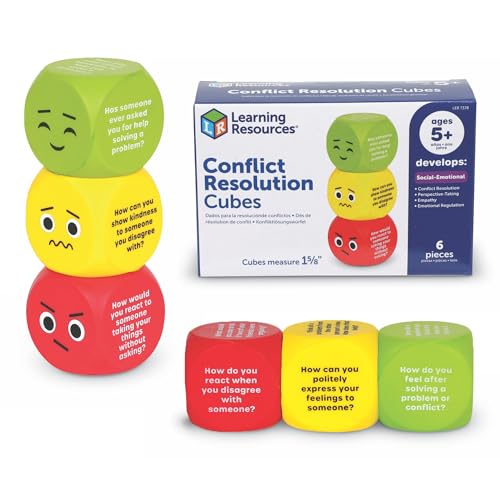
Learning Resources Conflict Resolution Cubes – Conversation Starter Cubes, Therapy Games for Kids, Social Skills Cards, Social Emotional Learning Games, Table Questions for Family Dinner
- Interactive Conversation Cubes: 30 prompts for communication skills
- Develop Conflict Resolution: Identify conflicts and practice conversations
- Color-Coded Guidance: Red for conflict, yellow for communication, green for reflection
As an affiliate, we earn on qualifying purchases.
As an affiliate, we earn on qualifying purchases.