
Selective transparency creates the illusion of honesty by sharing only positive information and hiding vital details that could harm a company’s image. This strategy shapes your perception, making the organization seem open and trustworthy, even when it conceals risks or failures. Media often amplifies this curated message, reinforcing false trustworthiness. Recognizing what’s left out can reveal the truth behind the surface, and knowing more can help you see through the façade.
Key Takeaways
- Selective transparency shares only favorable information, masking underlying issues to appear honest and trustworthy.
- It creates a curated narrative that emphasizes strengths while concealing risks or failures.
- Media and organizations reinforce this illusion by amplifying sanitized information and omitting critical details.
- Public perception is shaped by headlines and reports that highlight transparency, despite underlying omissions.
- Awareness of omissions and manipulation techniques is essential to critically evaluate true honesty behind selective disclosures.

When organizations selectively reveal information, they create the illusion of honesty while hiding vital details. This tactic isn’t accidental; it’s a calculated move to shape perceptions and control narratives. By sharing only what benefits them, these organizations craft a false image of transparency, but behind the scenes, they often conceal crucial facts. This selective transparency fuels corporate deception, where the truth gets distorted to protect interests and maintain power. They know that if the full story comes out, their reputation or bottom line might suffer. Instead, they manipulate what the public, investors, or employees see, fostering trust that isn’t entirely earned. Recognizing the motives behind selective transparency helps you see through the façade and question what’s omitted. Media manipulation plays a pivotal role in this process. When the media echoes the carefully curated information provided by organizations, it amplifies the illusion of honesty. Journalists and outlets may not always dig deep enough, either because of bias, lack of resources, or reliance on press releases. As a result, the public receives a sanitized version of events, reinforcing the false narrative that these companies are open and trustworthy. This creates a cycle where the truth becomes harder to uncover, and skepticism grows only slowly, if at all. The media, whether intentionally or not, becomes a tool in maintaining this illusion, making it seem like the information presented is comprehensive and truthful. In this environment, it’s easy to be fooled. You might see headlines praising a company’s transparency or assume that they’re forthcoming because they release quarterly reports or public statements. But what’s missing? Often, the most critical details are omitted—those that could reveal risks, failures, or unethical practices. The selective disclosure is designed to highlight strengths while hiding weaknesses, giving you only part of the story. This kind of corporate deception isn’t limited to small missteps; it’s often part of a broader strategy to manage perceptions, especially during crises or scandals. Understanding this dynamic helps you see through the veneer of honesty that organizations project. Recognize that what’s left unsaid can be just as significant as what’s shared, especially when public perception is a key concern. Be aware of how media manipulation shapes the narrative you consume. When you question the completeness of the information presented, you’re better equipped to uncover the truth behind the corporate facade. Additionally, understanding the influence of media bias can help you critically evaluate the information you receive. Many people are unaware of how information control is used to shape public opinion in various contexts, often leveraging perception management techniques to sway opinions subtly.
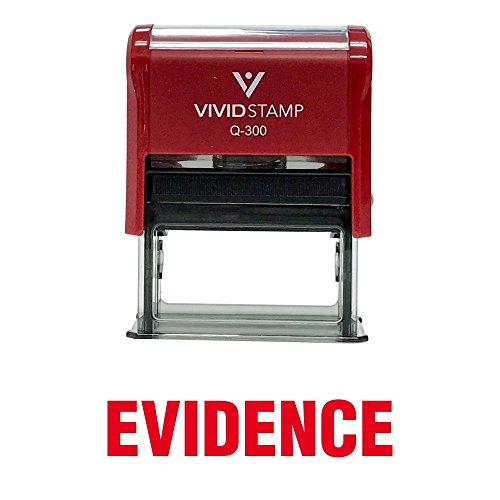
Evidence Self Inking Rubber Stamp (Red Ink) – Large
Impression Size: 3/4" x 1-7/8"
As an affiliate, we earn on qualifying purchases.
As an affiliate, we earn on qualifying purchases.
Frequently Asked Questions
How Can Consumers Identify Selective Transparency in Companies?
You can spot selective transparency by looking for inconsistencies or gaps in a company’s disclosures. If they only share positive information and hide details that might reveal corporate deception or ethical ambiguity, that’s a red flag. Research their history, read diverse sources, and question their motives. When transparency feels overly curated or incomplete, it’s a sign they might be hiding something, creating an illusion of honesty.
What Psychological Effects Does Selective Transparency Have on Trust?
Selective transparency can manipulate your perception, making a company seem more honest than it actually is. By revealing only favorable information, it subtly influences your perception, fostering a false sense of trust. Over time, this perception manipulation leads to trust erosion when you realize the full truth, causing disappointment and skepticism. This tactic undermines genuine trust, as your confidence is built on an incomplete picture rather than transparency.
Are There Legal Regulations Against Selective Transparency Practices?
Yes, there are legal regulations against selective transparency practices. You must guarantee legal compliance by providing truthful, complete information to avoid regulatory scrutiny. Laws like the SEC regulations and consumer protection statutes require transparency to prevent deception. If you withhold critical details intentionally, you risk legal penalties and damage to your reputation. Staying transparent and honest helps you build trust and remain compliant with evolving legal standards.
How Does Selective Transparency Differ From Genuine Honesty?
Selective transparency differs from genuine honesty because it intentionally controls the information you share, leading to truth distortion and perception management. While honesty involves openly sharing all relevant facts, selective transparency hides certain details to craft a favorable image. This manipulation can deceive others, making them believe you’re truthful when, in reality, you’re only revealing parts of the truth. You risk damaging trust if your motives come to light.
Can Selective Transparency Be Used Ethically by Organizations?
Yes, selective transparency can be used ethically if organizations prioritize corporate ethics and responsible information disclosure. By being transparent about key issues while protecting sensitive data, they build trust and demonstrate honesty. However, you should carefully balance transparency with integrity, ensuring you’re not manipulating perceptions. When done genuinely, selective transparency enhances credibility without misleading stakeholders, aligning with ethical standards and fostering stronger, more honest relationships.

Media Analysis Techniques
As an affiliate, we earn on qualifying purchases.
As an affiliate, we earn on qualifying purchases.
Conclusion
As you peel back the layers of selective transparency, you realize it’s like peering through a window with frosted glass—what’s visible is carefully curated, hiding the clutter behind. The illusion of honesty shimmers like sunlight on a polished surface, but beneath, shadows linger, revealing only what’s meant to be seen. Remember, true honesty isn’t painted in broad strokes; it’s the clear, unfiltered view that reveals everything, even the uncomfortable truths lurking in the shadows.

The Miniature Guide to Critical Thinking Concepts and Tools (Thinker's Guide Library)
As an affiliate, we earn on qualifying purchases.
As an affiliate, we earn on qualifying purchases.

TREND ENTERPRISES: Multiplication 0-12 Skill Drill Flash Cards, Exciting Way for Everyone to Learn, Facts Through 12, Self-Checking, Great for Skill Building and Test Prep, 91 Cards Included, Ages 8+
Master times tables with confidence; self-checking design enables independent practice and immediate feedback that builds student assurance without…
As an affiliate, we earn on qualifying purchases.
As an affiliate, we earn on qualifying purchases.