
TL;DR

Turn your wind-down time into listening time
- Thousands of audiobooks, podcasts and originals
- Listen on your phone, tablet or Echo — also offline
- Cancel anytime
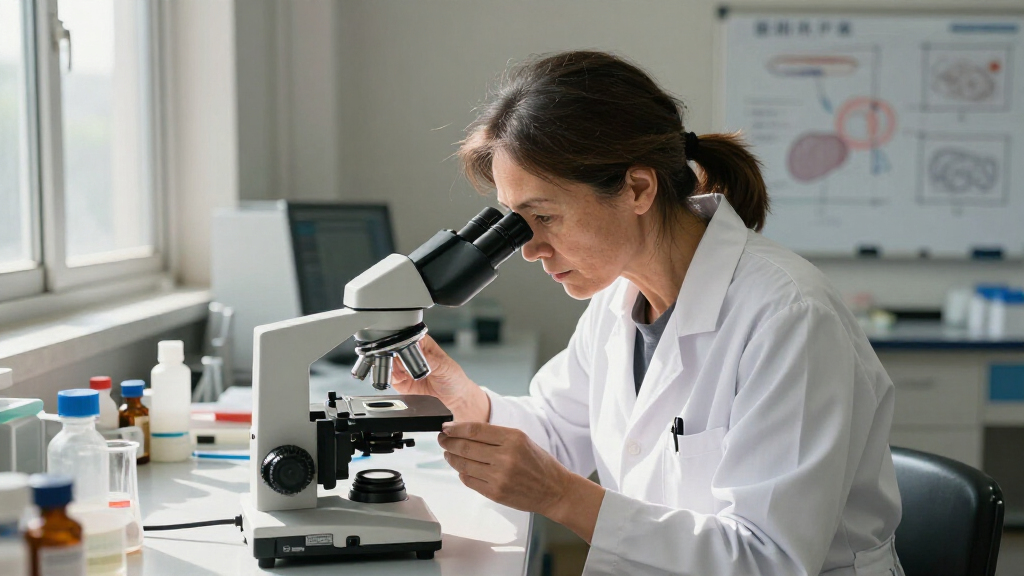
Scientists have identified cellular reasons why the liver may not fully recover after stopping alcohol consumption. The discovery highlights complex healing barriers, with implications for treatment of alcohol-related liver disease.
Implications for Long-Term Liver Disease Management
This discovery is significant because it shifts the understanding of liver recovery from a simple matter of abstinence to a complex biological process involving cellular and immune system memory. It suggests that many patients who stop drinking may still face ongoing liver damage, increasing the risk of progression to cirrhosis and liver failure. The findings could lead to new treatments targeting the cellular pathways that prevent healing, potentially improving outcomes for millions affected by alcohol-related liver disease. Healthcare providers may need to reconsider monitoring and intervention strategies even after patients cease alcohol consumption. Ultimately, understanding these mechanisms could result in more effective therapies that promote full liver regeneration, reducing long-term health risks associated with alcohol abuse.liver health supplements for recovery
As an affiliate, we earn on qualifying purchases.
As an affiliate, we earn on qualifying purchases.
Understanding Liver Damage and Recovery Patterns
Liver damage from alcohol consumption has long been recognized as a leading cause of chronic liver disease worldwide. Traditionally, medical advice has emphasized alcohol cessation as the primary step toward recovery. However, clinical observations have shown that some patients continue to experience liver problems despite abstinence, prompting research into the biological basis of incomplete healing. Previous studies identified fibrosis and inflammation as key factors in liver deterioration, but the cellular mechanisms behind persistent damage remained unclear. Recent advances in cellular biology and immunology have enabled scientists to explore the liver’s regenerative processes at a molecular level. These investigations have uncovered that certain cellular changes and immune responses initiated during active drinking can become entrenched, hindering full recovery. The current research builds on this knowledge, offering a detailed explanation of why some liver tissues remain scarred and inflamed long after drinking stops. This evolving understanding underscores the importance of tailored medical approaches that go beyond simply encouraging sobriety.As an affiliate, we earn on qualifying purchases.
Unanswered Questions About Reversibility and Treatment
It is not yet clear how variable these cellular mechanisms are among different patients, nor how effectively they can be reversed with existing or new therapies. Further research is needed to determine the timeframe and specific interventions that could promote complete liver healing in affected individuals.liver support vitamins for cirrhosis
As an affiliate, we earn on qualifying purchases.
As an affiliate, we earn on qualifying purchases.
Next Steps in Research and Clinical Application
Researchers plan to conduct longitudinal studies to assess how these cellular changes evolve over time and whether targeted drugs can restore normal liver function. Clinical trials exploring therapies that counteract immune and cellular memory are expected to begin within the next few years. Additionally, scientists aim to develop diagnostic tools to identify patients at risk of incomplete recovery despite abstinence, enabling personalized treatment plans.As an affiliate, we earn on qualifying purchases.
Key Questions
Can the liver fully recover after stopping drinking?
Current research indicates that in some cases, the liver may not fully heal due to persistent cellular and immune system changes. Recovery varies among individuals, and more studies are needed to determine the full potential for regeneration.
What causes the liver to remain damaged even after quitting alcohol?
Scientists have identified that long-lasting alterations in liver cells and immune responses, initiated during active drinking, can become entrenched, preventing complete healing.
Are there treatments to promote liver healing in these cases?
Research is ongoing to develop therapies targeting the specific cellular pathways involved in persistent damage. Currently, no approved treatments specifically reverse these cellular changes, but future options may emerge.
How can patients reduce their risk of long-term liver damage?
Abstinence from alcohol is crucial, but ongoing medical monitoring and early intervention for liver health are recommended, especially for those with a history of heavy drinking.
When will new therapies be available?
Clinical trials exploring targeted treatments are expected to start within the next few years, but it may take longer before they become widely available for patients.
Source: rss
Halloween Picks
halloween
As an affiliate, we earn on qualifying purchases.