The White House is exploring the potential legalization and research funding for ibogaine, a psychedelic linked to PTSD and opioid addiction treatment.
Reddit discussions reveal personal stories where individuals immediately realized someone was exceptionally intelligent, highlighting moments of awe and insight.
Reddit thread reveals personal stories where individuals instantly recognized exceptional intelligence in others, sparking discussions on perception and cognition.
China’s energy infrastructure positions it for AI dominance, while the US adapts its grid. This analysis explores the structural factors shaping AI power.
Pope Leo XIV’s first encyclical, ‘Magnifica humanitas,’ on safeguarding human dignity amid AI advances, will be released on May 25 with a Vatican presentation.
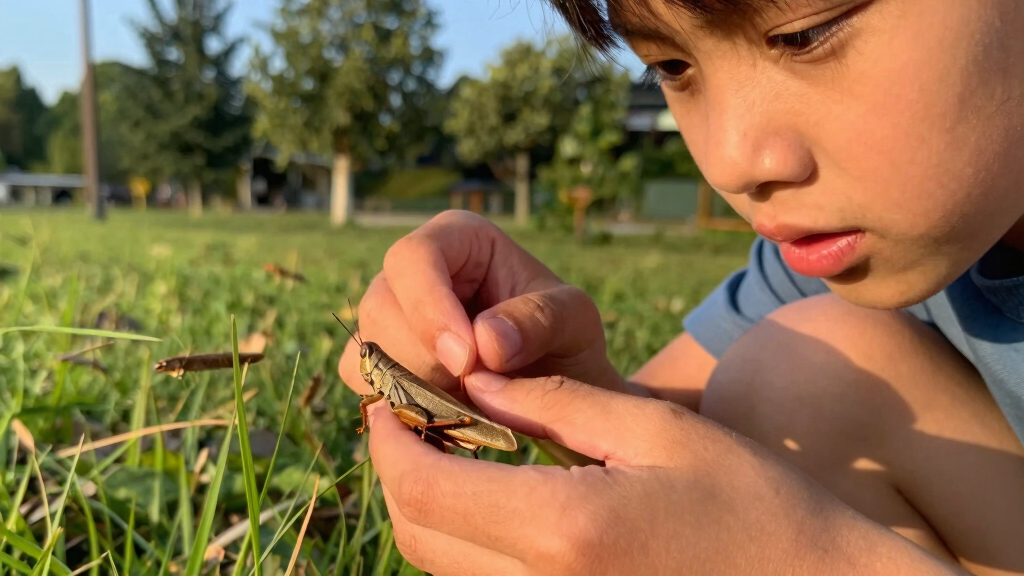
Research shows locusts are not separate species but regular grasshoppers that change appearance when overcrowded, altering how we understand pest outbreaks.
Damian McCarthy’s horror film Oddity, known for its intense atmosphere and low-budget ingenuity, is now available for streaming, gaining critical attention.