
You feel a strong pull when someone switches from cruelty to warmth because it triggers emotional whiplash that’s hard to process. This pattern disrupts your sense of safety, making you unsure whether to trust or doubt their intentions. The sudden kindness can feel especially powerful and addictive after harshness, creating conflicting emotions like hope and suspicion. Understanding these reactions can help you protect your emotional well-being and regain stability—stick around to explore how to navigate these intense shifts more effectively.
Key Takeaways
- Sudden warmth after cruelty creates a powerful emotional contrast that intensifies feelings and can feel addictive.
- This contrast triggers a rush of relief and happiness, temporarily overshadowing pain and trauma.
- The inconsistency fosters a paradoxical desire to trust while fearing manipulation, enhancing emotional impact.
- The unpredictability of kindness following cruelty heightens emotional sensitivity, making the warmth feel more significant.
- The cycle taps into deep-seated needs for validation and connection, amplifying the emotional response.

Have you ever experienced a sudden, overwhelming shift in your emotions that leaves you feeling disoriented? One moment, you’re hurt and angry, questioning whether you can trust the person involved. The next, they’re showering you with warmth and kindness, almost as if the cruelty never happened. It’s a jarring rollercoaster that can shake your sense of stability and challenge your emotional resilience. This pattern—trust betrayal followed by unexpected tenderness—creates an intense emotional whiplash that’s hard to process.
When someone you trust betrays you, it wounds deeply. The pain isn’t just about the act itself, but what it does to your sense of safety. You might start questioning your judgment, feeling vulnerable and unsure of who to believe. That breach of trust leaves a scar, making it difficult to open up again without fear of being hurt. Then, suddenly, they switch gears—acting as if nothing happened, showing warmth or even love. That sudden change can feel like a paradox, sparking a flood of conflicting emotions. You might feel confused, grateful, or even guilty for feeling hurt in the first place. The powerful surge of warmth after cruelty can temporarily erase the pain, but it often leaves you questioning what’s real. Is this genuine affection or just another manipulation? Your mind races to interpret these shifts, and your heart struggles to find a steady ground. Recognizing these patterns can help you develop emotional awareness and respond more thoughtfully.
This cycle taps into your emotional resilience, testing your ability to stay grounded amid chaos. The more you experience these highs and lows, the more it wears on your confidence. It’s natural to crave consistency and to yearn for stability, but the unpredictable nature of such interactions can make that seem impossible. The intense emotional rush of warmth after cruelty can feel intoxicating, even addictive. It’s a paradoxical feeling—like being pulled in two directions at once. You want to believe in the person again, to trust that the kindness is genuine, but your past experiences have made you wary. That’s where your emotional resilience comes into play. It’s about learning to protect your heart while remaining open to genuine connection. Recognizing these patterns helps you to build boundaries and resist the pull of the emotional rollercoaster. Developing emotional resilience can help you process these cycles more effectively and reduce their impact on your well-being. Strengthening your resilience also involves understanding the importance of healthy boundaries in fostering genuine relationships. By doing so, you give yourself the power to navigate these intense shifts with more clarity and less vulnerability to manipulation. Furthermore, cultivating awareness of emotional triggers can enhance your ability to respond thoughtfully rather than react impulsively, thereby empowering you to maintain your emotional stability. Additionally, understanding the role of emotional regulation techniques can help you manage these fluctuations more effectively and protect your mental health.

Emotional Resilience: How to safeguard your mental health (The Flag Series)
As an affiliate, we earn on qualifying purchases.
As an affiliate, we earn on qualifying purchases.
Frequently Asked Questions
How Long Does Emotional Whiplash Typically Last?
Emotional whiplash can last from a few days to several weeks, depending on your emotional resilience and the relationship dynamics involved. You might find yourself swinging between feelings of confusion and hope. To cope, focus on strengthening your emotional resilience and setting clear boundaries. Recognizing patterns in relationship dynamics helps you process these shifts better, ultimately aiding you in moving forward and reducing the intensity and duration of emotional whiplash.
Can Emotional Whiplash Cause Long-Term Psychological Effects?
Yes, emotional whiplash can cause long-term psychological effects if it disrupts your trauma resilience and emotional regulation. Repeated cycles of cruelty followed by warmth may lead to anxiety, difficulty trusting others, or emotional instability. Over time, these experiences can shape how you handle emotions and relationships. Building trauma resilience and practicing emotional regulation strategies can help mitigate lasting impacts, but seeking professional support is often essential for healing.
Why Do Some People Switch From Cruelty to Warmth so Abruptly?
You notice some people switch from cruelty to warmth suddenly because they might lack emotional resilience or struggle with boundary setting. They could be using these shifts to control or manipulate feelings, testing your reactions. This pattern keeps you off balance, making their warmth feel more impactful. Recognizing this helps you establish boundaries, protecting your emotional health, and understanding that genuine warmth involves consistency, not sudden, unpredictable changes.
Is Emotional Whiplash More Common in Certain Personality Types?
You might notice emotional whiplash more in people with certain personality traits, especially those with high emotional sensitivity. These individuals often experience intense feelings and reactions, making sudden shifts more jarring. Their heightened emotional awareness can amplify the impact of abrupt kindness after cruelty, creating a rollercoaster effect. If you’re emotionally sensitive, you may find yourself more vulnerable to these unpredictable swings, which can feel both confusing and deeply powerful.
How Can One Protect Themselves From Emotional Manipulation?
To protect yourself from emotional manipulation, stay alert to gaslighting tactics that distort your reality, making you doubt yourself. Set firm boundaries and trust your instincts, even when someone suddenly shows warmth after cruelty. Prioritize self-care to prevent empathy fatigue, which can impair your judgment. Stay aware of manipulative patterns and seek support from trusted friends or professionals to maintain emotional resilience and safeguard your well-being.

Worry for Nothing: Guided Anxiety Journal, Cognitive Behavioral Therapy Mental Health Journal, Anxiety Relief & Self Care, Journal for Men & Women, Mental Health Gifts
IMPROVES MENTAL HEALTH: Use this journal to improve mindfulness, uncover triggers, track physical and emotional sensations, document your…
As an affiliate, we earn on qualifying purchases.
As an affiliate, we earn on qualifying purchases.
Conclusion
When cruelty suddenly shifts to kindness, it stings and soothes in startling tandem. This emotional rollercoaster leaves you longing for stability but also craving connection. Recognize the rush of warmth as a wave of wonder washed over you, whispering truths about your resilience and vulnerability. Embrace these emotional ebbs and flows, understanding they’re part of your journey. Stay steady, stay sincere, and let each experience teach you more about yourself and the power of genuine connections.
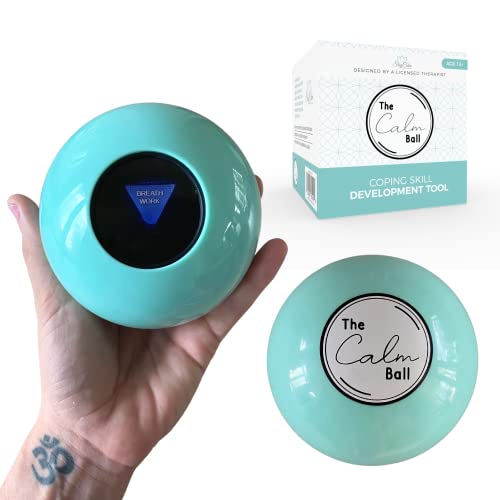
The Calm Ball – Therapist-Designed Coping Skills Ball with Guidebook
INTERACTIVE THERAPIST-DESIGNED BALL: A thoughtfully designed coping skills learning magic 8 ball created for structured emotional regulation and…
As an affiliate, we earn on qualifying purchases.
As an affiliate, we earn on qualifying purchases.

Whole Again: Healing Your Heart and Rediscovering Your True Self After Toxic Relationships and Emotional Abuse
As an affiliate, we earn on qualifying purchases.
As an affiliate, we earn on qualifying purchases.