

Feigned forgetfulness, like saying “I don’t recall,” is a strategic way to avoid taking responsibility or confronting difficult issues. You might use it to buy time, shift attention, or prevent admission of fault without outright lying. This tactic exploits social acceptance of memory lapses and appears more credible than denial, helping you maintain control or dodge conflicts. If you want to understand how others might use this to manipulate, more insights await behind these words.
Key Takeaways
- Feigned forgetfulness employs selective memory to strategically avoid uncomfortable or challenging topics without outright lying.
- The phrase “I don’t recall” creates a plausible deniability barrier, delaying or sidestepping accountability.
- Recognizing this tactic helps in identifying manipulative behavior and managing interpersonal dynamics effectively.
- It serves as a subtle defense mechanism to maintain control, reduce pressure, or protect self-image during high-stakes situations.
- Understanding the social acceptability of memory lapses enhances awareness of when others may be evading responsibility intentionally.

Have you ever pretended to forget something to avoid a difficult conversation or responsibility? It’s a common tactic, and one that many people use intentionally or unconsciously. When you feign forgetfulness, you’re leveraging the idea that memory lapses can seem genuine, making it easier to sidestep uncomfortable topics. You might casually say, “I don’t recall,” even when you remember clearly, to create a barrier between yourself and the issue at hand. This approach taps into denial strategies, where the goal is to minimize or dismiss the importance of the matter, giving you an excuse to avoid confrontation or accountability.
Memory lapses are often seen as innocent or accidental, but in this context, they serve a strategic purpose. When you claim you don’t remember, you’re not necessarily lying outright; instead, you may be employing selective memory or choosing to forget temporarily. This can buy you time or reduce the perceived pressure to respond immediately. People tend to accept these memory lapses as genuine, which makes feigned forgetfulness an effective way to dodge uncomfortable questions or responsibilities. It’s a subtle form of manipulation, designed to deflect attention or delay action without outright denial. Additionally, understanding how memory lapses work can help you recognize when others might be using this tactic as a form of strategic evasion.
Feigning forgetfulness can strategically delay responses and manipulate perceptions without outright lying.
Using denial strategies through feigned forgetfulness can be especially useful in high-stakes situations. For example, if someone asks about a mistake you made, pretending not to recall the details can prevent you from admitting fault or facing criticism. It’s a defense mechanism that helps preserve your self-image and avoid conflict. This tactic can also serve as a shield when you’re overwhelmed or unprepared, allowing you to maintain control over the conversation. The key is that it appears more credible than outright denial, since everyone experiences memory lapses from time to time, making it a socially acceptable excuse.
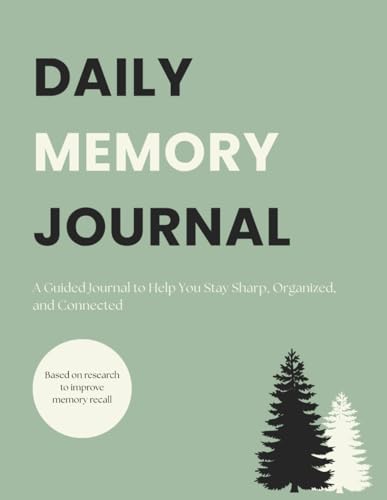
Daily Memory Journal: Guided writing prompts to Help Anyone Stay Sharp, Organized, and Connected – Designed for those battling Memory Loss, Alzheimer's or Dementia.
As an affiliate, we earn on qualifying purchases.
As an affiliate, we earn on qualifying purchases.
Frequently Asked Questions
How Can You Tell if Someone Is Genuinely Forgetful?
You can tell if someone is genuinely forgetful by observing their memory lapses over time and situations. They tend to forget important details or appointments consistently, not just when they’re distracted. You might also notice signs during cognitive testing, where genuine forgetfulness shows predictable patterns, unlike feigned forgetfulness, which often appears inconsistent. Keep track of their recall abilities and consider professional evaluation if you’re unsure.
Are There Legal Implications to Feigned Forgetfulness?
You should know that feigned forgetfulness can have legal implications, especially if used as a defense. Courts may scrutinize claims of memory suppression or genuine forgetfulness, questioning their credibility. If you falsely claim amnesia to avoid responsibility, it could be seen as an attempt to manipulate the legal process, potentially leading to charges of perjury or obstruction. Always be truthful to guarantee your legal defenses remain valid.
Can Feigned Forgetfulness Be Used in Therapy?
You can’t easily use feigned forgetfulness in therapy without risking crossing ethical lines. Memory manipulation and deception strategies often backfire, creating mistrust like a house built on shifting sands. Therapists aim for honesty and transparency, helping clients unearth truths, not hide them. Using deception strategies like pretending to forget can hinder progress, making healing feel like chasing shadows instead of facing reality head-on.
How Does Feigned Forgetfulness Differ Across Cultures?
You’ll notice that cultural variations profoundly influence how feigned forgetfulness is perceived and used. In some cultures, memory deception may be seen as polite or respectful, especially to avoid conflict or save face. In others, it might be viewed as dishonest or disrespectful. Understanding these differences helps you navigate social interactions better, recognizing that the acceptability of feigned forgetfulness depends largely on cultural norms and values.
What Psychological Traits Are Associated With This Tactic?
You might notice that those who use feigned forgetfulness often display traits like high memory bias, where they unconsciously distort details to fit their narrative. They tend to be skilled in deception tactics, relying on selective memory to avoid accountability. This tactic can also indicate traits like defensiveness or a desire to manipulate perceptions, as they intentionally obscure facts to influence how others see the situation.

Tonfarb 64GB Digital Voice Recorder with Playback,Audio Recording Device for Lectures Meeting/Classes/Interviews,Tape Recorder with Voice Activated,Password,Noise Reduction,A-B Repeat,MP3 Player Etc
【One Click Record and Save】This voice recorder features instant one-click recording and saving. Even when powered off, simply…
As an affiliate, we earn on qualifying purchases.
As an affiliate, we earn on qualifying purchases.
Conclusion
Next time you hear someone say “I don’t recall,” remember they might be using it as a tactic. Studies show that people feigning forgetfulness can influence decisions 30% more often than those who provide direct answers. It’s a subtle trick that can sway conversations and outcomes without you even realizing it. So, stay alert—what seems like forgetfulness could actually be a strategic move, shaping the conversation in ways you might not expect.
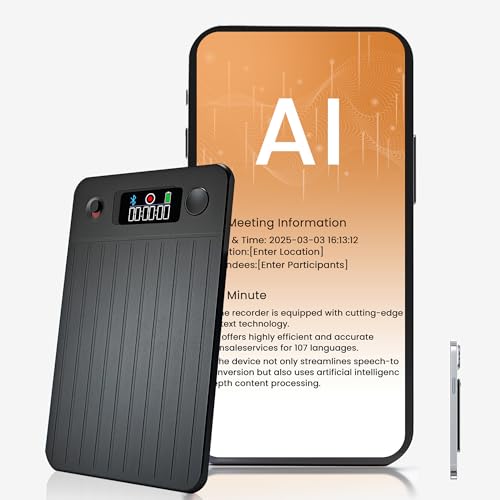
Boyuevi AI Voice Recorder, Smart Audio Recorder, App Control & AI Transcription, 64GB Memory, Supports 112 Languages, Ideal for Meetings, Lectures, Interviews, Calls
【Advanced AI Technology】This AI voice recorder features fast and accurate speech-to-text conversion, thanks to its powerful integration with…
As an affiliate, we earn on qualifying purchases.
As an affiliate, we earn on qualifying purchases.
![The Dark Psychology Playbook [9-in-1]: 100+ Techniques of Influence and Manipulation Exposed. A Powerful Guide to Brainwashing, Lie Detection, Mental Warfare, Mind Control, NLP, Persuasion, & More](https://m.media-amazon.com/images/I/41pe0BSzlsL._SL500_.jpg)
The Dark Psychology Playbook [9-in-1]: 100+ Techniques of Influence and Manipulation Exposed. A Powerful Guide to Brainwashing, Lie Detection, Mental Warfare, Mind Control, NLP, Persuasion, & More
As an affiliate, we earn on qualifying purchases.
As an affiliate, we earn on qualifying purchases.